



“Bengaluru does not have great buildings so much as great streets. Once you accept that, the whole city becomes much more interesting.”
• The most useful reframing available to a visitor here
Some cities are read through monuments. This one is read through streets, because for four hundred and fifty years it has organised itself by trade. Kempe Gowda laid out the petes in 1537 with one street per commodity, and the habit never left: even now Bengaluru clusters its activity street by street, so a single road will hold forty shops doing the same thing, competing on a fifty metre frontage.
That makes the city unusually rewarding to walk and almost illegible from a car. Avenue Road for books and printing, Chickpete for cloth, Gandhi Bazaar for flowers and sweets, Mosque Road for kebabs, Commercial Street for shopping, 12th Main for bars, SP Road for electronics. Each one has a rhythm, a peak hour and a set of unwritten rules.
This guide covers the streets worth going to specifically, what each is known for, when to go and what to expect. It pairs closely with our oldest neighbourhoods and markets guides, and it is deliberately practical: these are working streets, not attractions.
Quick Information
Which street for what, and the hour to be there. Almost all of these are morning streets.
What Is the Most Interesting Street in Bangalore?
Avenue Road. It is the spine of the sixteenth century city, it has been the book and printing trade's home for over a century, and it is the densest concentration of small commerce anywhere in Bengaluru.
Walk it from the Chickpete end and it changes every twenty metres: second hand textbooks stacked to the ceiling, printing presses still running, stationery wholesalers, wedding card designers, rubber stamp makers, shops selling nothing but ledgers. Some of these businesses are three generations old and operate out of a frontage the width of a doorway.
Go between eight and eleven in the morning on a weekday. It is narrow, crowded and loud, parking is impossible and the Metro drops you at Chickpete station, which is the correct way to arrive. Combine it with the surviving Bangalore Fort gateway and Tipu Sultan's Summer Palace, both a short walk away, and you have the best morning in the old city.
Which Streets Are Known for Specific Trades?
Chickpete for cloth, SP Road for electronics, Avenue Road for books and printing, and the pete streets generally for whatever their name says. This is the oldest organising principle in the city.
- Chickpete, for cloth and textiles. Wholesale cloth since the sixteenth century and still doing it. Visit between seven and eleven, when the shutters go up and the handcarts move. Dense, fast and entirely unromantic.
- SP Road, for electronics. Components, tools, wiring, boards and anything an engineer or hobbyist needs. If a part exists in India, someone on SP Road has it in a drawer.
- Avenue Road, for books and printing. Textbooks, second hand books, printing, stationery and wedding cards. The most characterful commercial street in the city.
- Balepete, Akkipete, Cottonpete and the rest. Bangles, rice, cotton. The names are the trade directory of 1537 and a good number of them still describe what is sold there.
- Commercial Street, for clothes and jewellery. Central, enormous and busy, with pedestrianised stretches. Good for shopping, exhausting at weekends, best on a weekday afternoon.
- Russell Market and around, for meat, fish and flowers. In a 1927 Cantonment building, at its best very early in the morning. The flower and produce trade around it is as interesting as the market itself.
- KR Market, for flowers and produce at scale. Not a street but the wholesale heart of the city, extraordinary between five and seven in the morning and much less so after that.
“The rule in this city is simple. If forty shops on one street sell the same thing, you are on a good street.”
• Four hundred and fifty years of trade clustering
Which Streets Are Best for Food?
Gandhi Bazaar in Basavanagudi for a morning, Mosque Road in Frazer Town for an evening, VV Puram for street food, and 8th Cross Malleshwaram for sweets and market eating.
Gandhi Bazaar is the best food street in the city before ten in the morning: flower vendors, fruit sellers, sweet shops that have been in the same family for three generations, and darshinis where a full South Indian breakfast for two costs under three hundred rupees. It runs into DVG Road, which has the coffee and the older shops, and the Bull Temple and Bugle Rock are five minutes away.
Mosque Road in Frazer Town is the evening equivalent and an entirely different city: kebabs, rolls, bakeries and Cantonment cooking. During Ramzan it becomes one of the great food events of the Bengaluru year, with the whole street eating outdoors after sunset, and it is worth planning a visit around. VV Puram food street, near Basavanagudi, runs from early evening and is cheap, crowded and excellent.
Which Streets Are Best for an Evening Out?
12th Main and 100 Feet Road in Indiranagar, Church Street in the centre, and Brigade Road for the older version of a Bengaluru night out.
12th Main is the city's bar strip: a dense run of small bars, cafes and kitchens in converted houses, best walked with no plan from about seven in the evening and loud until around one. 100 Feet Road, running parallel, has the larger restaurants and rooftops and is where you go when six people need a table. Both are covered in detail in our Indiranagar eating guide.
Church Street in the centre is the most walkable street in Bengaluru, cobbled and pedestrian friendly, with bookshops, cafes and bars along it and MG Road Metro at one end. Brigade Road, running off it, is the older spine of going out in this city and still busy every evening. Both are best approached by Metro, because parking centrally after six is a waste of your evening.
Which Streets Show Bangalore's Architecture Best?
The Cantonment streets of Richards Town and Cooke Town for bungalows, the Malleshwaram and Basavanagudi crosses for old south Bengaluru houses, and Sankey Road in Sadashivanagar for scale.
The Cantonment bungalow streets are the most photogenic in the city: deep verandahs, monkey tops, tiled roofs, compound walls with bougainvillea over them, and enormous trees. They are quiet, residential and best walked on a weekend morning, with Frazer Town's bakeries as the reward at the end.
The numbered crosses of Malleshwaram and Basavanagudi show the other tradition: 1890s planned suburb housing, smaller and denser but with its own verandahs, courtyards and rain trees. Sankey Road and the Sadashivanagar crosses have the largest surviving plots and gardens in the city. All three are covered in our greenest places guide, because the architecture and the canopy here are the same story.
How Should I Walk Bangalore's Streets?
- Trade streets in the morning, eating streets in the evening. Chickpete, Avenue Road, KR Market and Russell Market are morning propositions and much harder work after ten. 12th Main and Mosque Road are the reverse.
- Arrive by Metro. Green Line for Chickpete, KR Market, National College and Malleshwaram, Purple for MG Road, Church Street and Indiranagar. Parking on any of these streets is a waste of your time.
- Do not try to see three in a day. Each of these is a two to three hour walk with a meal in it. One street per outing is the right pace.
- Ask before photographing. These are working streets with working shops. Ask before photographing people, interiors and stalls, and accept no.
- Carry cash and use UPI. Almost everything takes UPI now, including handcarts, but small cash is still useful in the wholesale markets.
- Check closing days. Parts of the wholesale trade areas close on Sundays or specific weekdays. Worth confirming before a long trip across the city.
- Wear shoes you do not mind ruining. Particularly for KR Market and Russell Market early in the morning, which are wet, crowded and entirely worth it.
Bangalore's Streets: Frequently Asked Questions
What is the most famous street in Bangalore?
Commercial Street and Brigade Road are the best known for shopping and going out, but Avenue Road is the most interesting: the spine of the sixteenth century city, home to the book and printing trade, and the densest small commerce in Bengaluru.
Which street in Bangalore is known for books?
Avenue Road, for textbooks, second hand books, printing, stationery and wedding cards, much of it in shops three generations old. Church Street in the centre is the other bookshop street, more browsable and with cafes attached.
Where can I buy electronics in Bangalore?
SP Road, which carries components, tools, wiring and boards, and is where engineers and hobbyists across the city go. If a part exists in India, somebody on SP Road has it in a drawer.
Which is the best food street in Bangalore?
Gandhi Bazaar in Basavanagudi in the morning, for flowers, fruit, sweets and darshini breakfasts, and Mosque Road in Frazer Town in the evening for kebabs and bakeries. VV Puram food street is the best cheap street food, from early evening.
What is Chickpete known for?
Wholesale cloth and textiles, which it has traded since the sixteenth century when Kempe Gowda laid out the petes by commodity. Visit between seven and eleven in the morning, arriving by Green Line Metro, because parking is impossible.
Which street is best for nightlife in Bangalore?
12th Main in Indiranagar, a dense strip of bars, cafes and small kitchens in converted houses, busy from seven in the evening until about one. 100 Feet Road nearby handles larger groups, and Church Street and Brigade Road are the central alternatives.
Which streets in Bangalore have the best old architecture?
Richards Town and Cooke Town in the Cantonment for bungalows with deep verandahs and monkey tops, the numbered crosses of Malleshwaram and Basavanagudi for 1890s planned suburb houses, and Sankey Road in Sadashivanagar for the largest surviving plots.
Is Mosque Road worth visiting during Ramzan?
It is one of the great food events of the Bengaluru year. The whole street eats outdoors after sunset, with kebabs, rolls, sweets and bakery stalls running late, and it is worth planning a visit around if your dates allow.
What time should I visit Bangalore's market streets?
Between six and eleven in the morning. KR Market is at its most extraordinary between five and seven, Russell Market early, and Chickpete and Avenue Road from about seven. All of them are considerably harder work after ten.
How do I get to these streets without driving?
The Green Line serves Chickpete, KR Market, National College for Basavanagudi and Malleshwaram, and the Purple Line serves MG Road for Church Street and Brigade Road, and Indiranagar for 12th Main. Parking on any of these streets is genuinely not worth attempting.
Know a Street This List Is Missing?
Bengaluru has dozens of streets that do one thing extremely well and are known only to the people who need that thing. If you know one, or if a trade has moved off a street on this page, click the WhatsApp icon at the bottom right of your screen and tell me. This is the sort of page that only gets better with readers in it. That is also the fastest way to reach The City 24/7 about anything at all.
And if you want the city explained one useful thing at a time, join our ever growing community. One weekly email, free, and frequently about a street worth walking.
Same city, new stories, always.

Related Stories
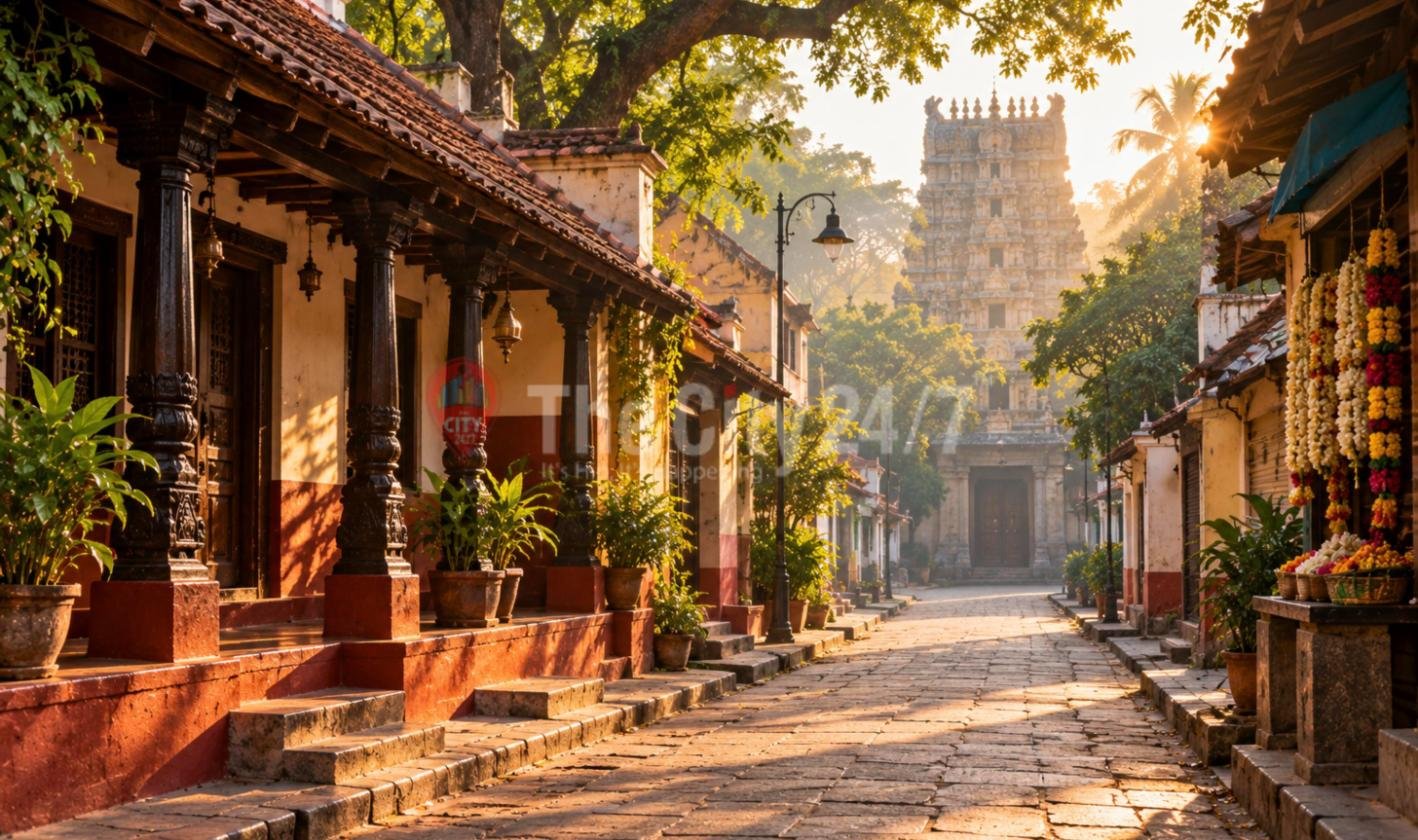 CITY GUIDE
Bangalore's Oldest Neighbourhoods, and How to Walk Each One
July 29, 2026
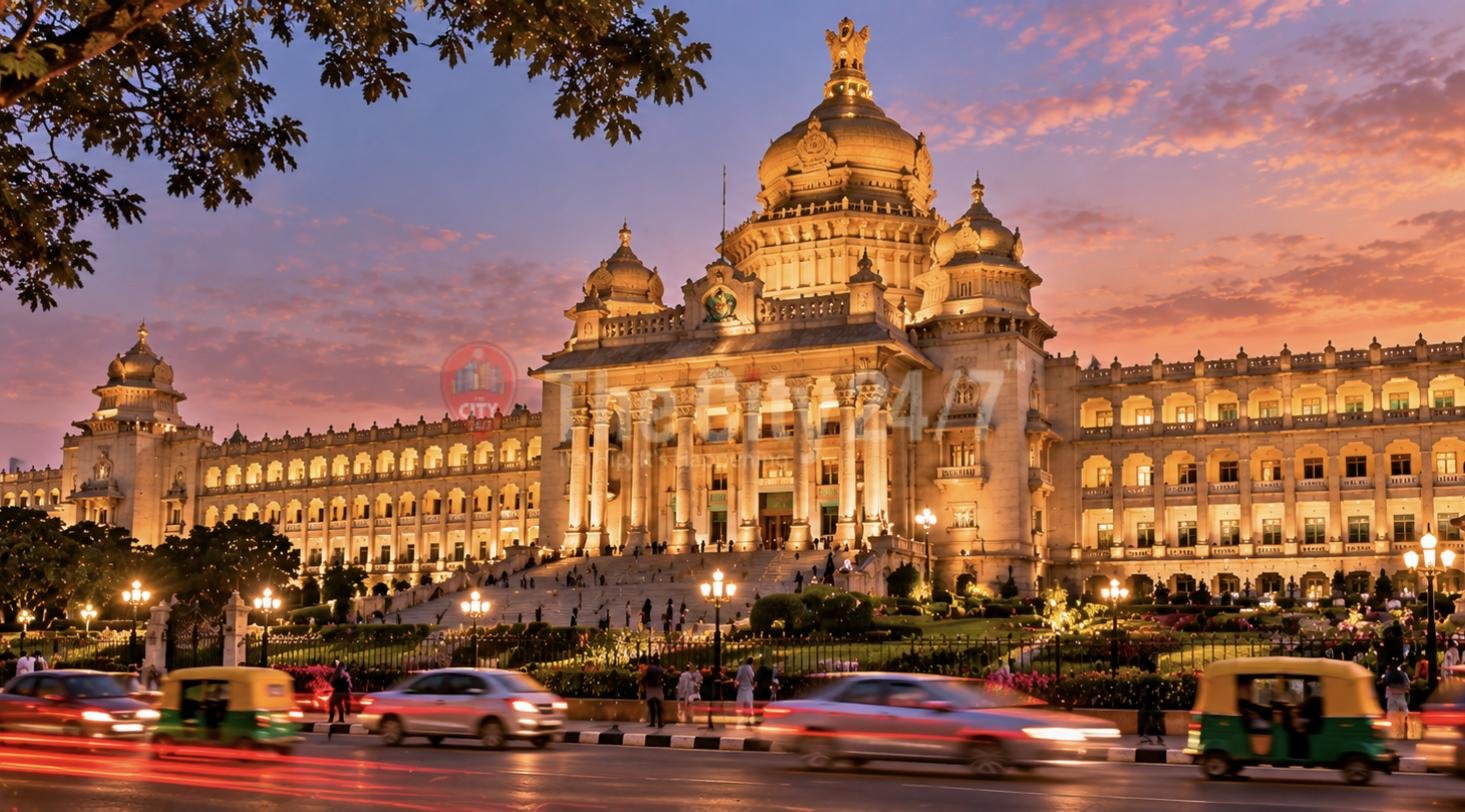 CITY GUIDE
Bangalore's Most Famous Landmarks, and What Makes Them Special
July 29, 2026
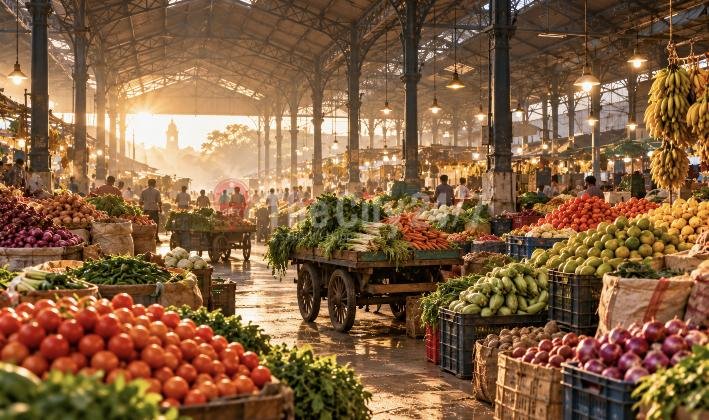 CITY GUIDE
A Guide to Bangalore's Markets: Go at Six, Leave by Nine
August 1, 2026
 CITY GUIDE
The Best Things to Do in Bangalore, From Someone Who Lives Here
July 2, 2026
 CITY GUIDE
Bengaluru's Theatres and Cultural Venues: Where to Actually See Something Live
September 8, 2026
 CITY GUIDE
Morning Walks in Bangalore: The Best Route in Every Part of the City
September 3, 2026
