



“In Bengaluru you do not buy a house. You buy a commute, and a house comes attached to it.”
• Something a broker in Indiranagar told me, entirely without irony
I have moved house in this city four times. Each time I told myself I had learned enough from the last one, and each time the city found a fresh way to surprise me. Once it was a ten month deposit quoted with a straight face. Once it was a beautiful third floor flat with a borewell that ran dry every March. Once it was a locality I had only ever visited on a Sunday afternoon, which turned out to be a completely different place on a Tuesday at nine in the morning.
Bengaluru property is not complicated because the rules are obscure. It is complicated because the city grew faster than its records did. Village land became layouts, layouts became apartment blocks, and the paperwork trailed behind all of it. That gap is where the money is lost, and it is also where a careful buyer or tenant has a genuine advantage over an impatient one.
This guide covers the whole thing in one place: whether to rent or buy, what deposits and rents actually run, which localities suit which life, the documents that decide whether a purchase is safe, the costs nobody quotes upfront, and the mistakes I see people make every single month. It links onward to the detailed rental, buying, locality and setting up home guides.
Quick Information
Every number a landlord, builder or broker will eventually quote you, gathered in one place so nobody can quote it twice.
Should I Rent or Buy in Bangalore?
Rent if you have been in the city under three years or your job could move you across it. Buy when you know which side of Bengaluru you want to live on, and you are confident you will stay five years or more.
That is not financial advice so much as geography advice. This city is large, and the difference between living twenty minutes from work and living seventy minutes from work is the difference between two entirely separate lives. People who buy in year one frequently buy in the wrong place, because they bought near the office they had rather than the office they would have. Tech employers here relocate campuses, and a flat that was a fifteen minute drive from work in 2021 is a Sarjapur Road ordeal in 2026.
The arithmetic supports patience too. Rental yields in Bengaluru sit around 3 to 4 percent, which means renting is comparatively cheap against the capital value of the same flat. Buying makes sense when you want stability, when you are done experimenting with localities, and when you would rather pay down a loan than a landlord. It makes far less sense as a short horizon trade, because stamp duty, registration and brokerage alone take roughly 7 percent off the top before you have hung a single curtain.
How Much Does It Cost to Rent a Home in Bangalore?
Budget 22000 to 60000 a month for a 2BHK in most of the city, plus a deposit of two to three months in a gated apartment or six to ten months in an independent house. Add one month brokerage if you use an agent.
The deposit is the part that catches newcomers, and it is worth understanding why it is so high. Bengaluru landlords, particularly owners of independent houses in the older neighbourhoods, have long treated the deposit as security against unpaid rent and damage in a city where enforcement is slow. Gated apartments and professionally managed buildings have largely moved to two or three months, so if a ten month deposit is genuinely impossible for you, that is where to look. It is negotiable more often than people assume, especially if you offer a longer lock in.
Rent is only part of your monthly housing cost. Maintenance in a gated community runs 2 to 5 rupees per square foot per month, which is 2000 to 6000 for a typical 2BHK and covers security, lifts, common area power and often the water tanker bill. Electricity in Bengaluru is mercifully modest because almost nobody needs air conditioning for most of the year. Water is the wildcard: buildings dependent on tankers rather than Cauvery supply can see summer bills triple.
What Should I Check Before Signing a Rental Agreement in Bangalore?
Check the water source, the power backup, the parking allotment, the escalation clause and the notice period. Those five decide whether the next eleven months are pleasant or a running argument.
- Ask where the water comes from. Cauvery connection, borewell, tanker, or a mix. Ask what happens in March and April specifically. This is the single most consequential question in Bengaluru renting and the one people forget to ask.
- Ask about power backup. Full backup, partial backup covering lights and fans only, or none. Outages are shorter than they used to be but they still happen, and working from home without backup is a problem.
- Get the parking in writing. Number of slots, covered or open, and which slot. Verbal parking promises evaporate the moment a new resident arrives with two cars.
- Read the escalation clause. Five percent a year is normal, ten percent is common, and anything above that on an eleven month lease is worth pushing back on.
- Match the notice periods. If you must give three months notice and the landlord only one, that is not a lease, that is a trap. Make them symmetrical.
- Photograph everything at handover. Every wall, every fitting, the meter readings, the bathroom, the kitchen. Timestamped photos are how deposits come back in full.
- Register the agreement. Anything above eleven months needs registration. Even at eleven months, get it notarised and keep a scanned copy. You will need it for gas connections, bank KYC and school admissions.
- Meet the neighbours or the RWA. Two minutes with someone who already lives there tells you more about the building than an hour with the broker.
Which Area of Bangalore Should I Live In?
Live near your office and near a Metro line, in that order. Everything else about locality choice is preference, and this one is arithmetic.
East Bengaluru, Whitefield and Marathahalli and Brookefield, is where a large share of the tech workforce lives, and the Purple Line extension changed its commute economics dramatically. South east, meaning HSR Layout, Sarjapur Road and Bellandur, is popular with startup employees and has the highest concentration of new gated stock, along with the traffic that comes with it. Central south, Koramangala and Indiranagar, is the most walkable and most expensive part of the city and remains where people go when they want to be able to leave the car at home.
Old south Bengaluru, Jayanagar and Basavanagudi and JP Nagar, offers tree cover, established schools, genuine neighbourhood life and better value than the east for comparable quality. North, around Hebbal, Yelahanka and Thanisandra, is the airport corridor and has been the city's growth story for a decade, with newer buildings and wider roads. West, Rajajinagar and Malleshwaram and Vijayanagar, is the most underrated part of Bengaluru: solid Metro connectivity, real markets, deep local character and prices that have not yet caught up to the east.
“Drive the commute at 9 AM on a Wednesday before you sign. Not a Sunday. Sunday lies to you about every locality in this city.”
• The one rule I wish somebody had given me in my first month
How Much Does It Cost to Buy Property in Bangalore?
Expect roughly 6000 to 14000 rupees per square foot for apartments across most of the city, and 15000 and above in prime central pockets. Then add about 7 to 9 percent on top for stamp duty, registration and transaction costs.
The per square foot number is where most conversations start and it is also where most confusion begins, because builders quote on super built up area while you live in the carpet area. A 1200 square foot flat may deliver 850 square feet of usable space. Ask for the carpet area explicitly, and compare projects on that basis, not on the headline rate. RERA requires carpet area disclosure and it is the number that matters.
On the transaction side, stamp duty is 5 percent for properties above 45 lakh, with lower slabs below that, plus applicable cess and surcharge, and a 2 percent registration fee since August 31, 2025. Under construction property attracts GST while ready to move resale does not, which is a meaningful difference. Then there is the legal and documentation cost, the loan processing fee, and in most resale transactions a brokerage of 1 to 2 percent. None of this appears in the advertised price.
Which Documents Must I Verify Before Buying Property in Bangalore?
The mother deed and title chain, the Khata and its type, the encumbrance certificate, the RERA registration for any ongoing project, the sanctioned plan and the occupancy certificate. Verify all six through a property lawyer, not through the seller's file.
- Mother deed and title chain. The ownership history, ideally traced back thirty years. Breaks or gaps in the chain are the most expensive problem in Bengaluru property and the hardest to fix later.
- Khata, and whether it is A or B. A Khata means the property is fully compliant with city corporation records and banks will lend on it. B Khata means irregular, harder to finance, harder to resell, and priced lower for exactly that reason.
- Encumbrance certificate. Obtained from the sub registrar or the Kaveri portal, this shows registered charges, loans and disputes against the property. Pull it for at least thirteen years, ideally thirty.
- RERA registration. Mandatory for ongoing projects above the threshold. The Karnataka RERA site lists approvals, timelines and complaints against the builder, and reading the complaints is time extremely well spent.
- Sanctioned plan and building approval. Compare what was approved against what was built. Extra floors and covered setbacks are common and they are the buyer's problem after registration, not the builder's.
- Occupancy certificate. The certificate that says the completed building is legally fit for occupation. A project without one is a risk regardless of how finished it looks.
- Tax paid receipts and society dues. Property tax up to date, no pending maintenance dues, and clean utility transfers. Small items, but they hold up registration.
Is an Apartment, a Villa or a Plot the Better Buy in Bangalore?
Apartments for convenience and liquidity, plots for long term appreciation if you can hold and verify, villas only if you genuinely want to maintain a house.
Apartments in RERA registered gated projects are the simplest purchase to finance, the easiest to resell and the least demanding to maintain, which is why they dominate the market. Plots have historically outperformed on appreciation in Bengaluru, particularly along the north and Sarjapur corridors, but plot buying carries the highest documentation risk in the city and the most litigation. Never buy a plot without a lawyer and a physical survey. Villas sit in between, and the honest question is whether you want a garden and a terrace enough to also want a gate, a pump, a caretaker and a roof that is yours alone.
What About PG and Co-Living in Bangalore?
Budget 9000 to 30000 a month, usually inclusive of food, utilities and housekeeping. It is the fastest way to land in Bengaluru without a deposit you do not have.
PGs and co-living operators cluster around the tech corridors, which is exactly where a new arrival wants to be, and they solve three problems at once: no ten month deposit, no furniture purchase, and no waiting on a gas connection. The trade offs are space, privacy and food you did not choose. Read the exit clause before you move in, because notice periods and non refundable joining fees are where the cost hides. For a first three to six months in the city, it is very often the correct decision, and a lease is a better idea once you know which side of town you actually want.
How Do I Set up a Bangalore Home Without Overspending?
Rent the big furniture for your first year, buy the things you touch every day, and defer everything else until you know whether you are staying.
Furnishing a 2BHK properly costs 1.5 to 4 lakh. Renting the same set runs 6000 to 12000 a month, which sounds expensive until you price moving a wardrobe across the city or selling a sofa at a third of what you paid. Buy the mattress, buy the kitchen basics, buy a decent chair if you work from home. Rent the beds, the dining table and the washing machine in year one. Sort out the water filter early, keep the electrician's and plumber's numbers from the RWA, and expect to spend the first fortnight discovering which switch does what.
What Mistakes Do People Make With Bangalore Property?
They visit on Sundays, trust the brochure area, skip the lawyer, ignore the water source and buy in the first year. In that order of frequency.
- Viewing only on weekends. The locality you saw at 11 AM on Sunday and the locality you will commute through on Wednesday morning are not the same place. Go twice, on a weekday, at your actual travel time.
- Comparing super built up numbers. Ask for carpet area on every project, every time. The loading between projects varies enough to change which one is cheaper.
- Skipping independent legal verification. The seller's lawyer works for the seller. Paying 15000 to 40000 for your own title check is the highest return spend in the entire transaction.
- Ignoring water. Cauvery, borewell or tanker changes both your summer and your bills. Ask, and ask what happened last April.
- Buying too early. Rent for two or three years, learn the city, then buy where you know you want to be. Stamp duty and brokerage make a fast exit expensive.
- Underestimating the commute. Twelve kilometres in Bengaluru is not a distance, it is a negotiation. Measure in minutes at peak hour, never in kilometres.
Bangalore Property: Frequently Asked Questions
How much rent should I budget for a 2BHK in Bangalore?
Roughly 22000 to 60000 rupees a month across most of the city, with premium gated apartments in Indiranagar, Koramangala and central Whitefield running higher. Add maintenance of 2000 to 6000 a month and a deposit of two to three months in a gated apartment.
Why are security deposits so high in Bangalore?
Independent house owners have long used large deposits, historically six to ten months, as security in a city where recovering unpaid rent through the courts is slow. Gated and professionally managed apartments have largely shifted to two or three months, so that is where to look if the higher figure is not workable.
What is the difference between A Khata and B Khata?
A Khata means the property complies with city corporation records and building rules, and banks lend against it readily. B Khata means the property is recorded as irregular, which makes home loans difficult, resale harder and the price correspondingly lower. Some B Khata properties can be regularised, but treat that as a possibility rather than a plan.
What documents should I check before buying a flat in Bangalore?
The mother deed and full title chain, the Khata and its type, an encumbrance certificate covering at least thirteen years, the RERA registration for ongoing projects, the sanctioned plan against what was actually built, the occupancy certificate, and up to date tax and maintenance receipts. Have your own lawyer verify them.
What is the stamp duty on property in Bangalore?
Five percent for properties valued above 45 lakh, with lower slabs below that, plus one percent registration charges and applicable cess and surcharge. Budget roughly 7 to 9 percent of the property value for total transaction costs including legal and brokerage.
Which is the best area to live in Bangalore?
The one nearest your workplace with Metro access. Broadly, Whitefield and Marathahalli for east tech campuses, HSR and Sarjapur for startups, Koramangala and Indiranagar for walkability at a premium, Jayanagar and JP Nagar for tree lined family living, Hebbal and Yelahanka for the airport corridor, and Rajajinagar and Malleshwaram for value with strong Metro links.
Is it a good time to buy property in Bangalore?
Bengaluru has been among the steadier Indian property markets, supported by real employment rather than speculation, and rental demand remains strong. The bigger question is personal: buy when you know which part of the city you want to be in and expect to stay five years or more. Timing the market matters less than choosing the right locality.
Can I get a home loan on a B Khata property?
Most mainstream banks will not lend on B Khata, and those that do typically offer lower loan to value at higher rates through housing finance companies. Factor that into both your purchase and your eventual resale, since your buyer will face the same constraint.
Is PG or renting a flat better when new to Bangalore?
A PG or co-living place for the first three to six months, then a flat. It avoids a large deposit and furniture purchase while you work out where you actually want to live, and by the time your lease starts you will know the city well enough to choose properly.
How long is a standard rental agreement in Bangalore?
Eleven months, renewable, because agreements longer than that require registration. Expect a lock in period of six to eleven months, a notice period of one to three months and an annual escalation of five to ten percent written into the document.
What is the one thing people most regret about their Bangalore home?
The commute. Almost nobody regrets a smaller flat or an older building, and almost everybody who took on ninety minutes each way regrets it within a year.
Official Property Links
The portals you will actually need for a Bengaluru purchase or a utility transfer. Bookmark the first three before you start.
House Hunting Right Now?
If you are in the middle of a Bengaluru house hunt and a number here has moved, or a landlord has tried something creative on you, click the WhatsApp icon at the bottom right of your screen and tell me. Rents and deposit norms shift faster than any guide can, and readers in the middle of it keep this page honest. That is also the quickest way to reach The City 24/7 about anything at all.
And if you want the city explained one useful thing at a time, join our ever growing community. One weekly email, free, no brokerage.
Same city, new stories, always.

Related Stories
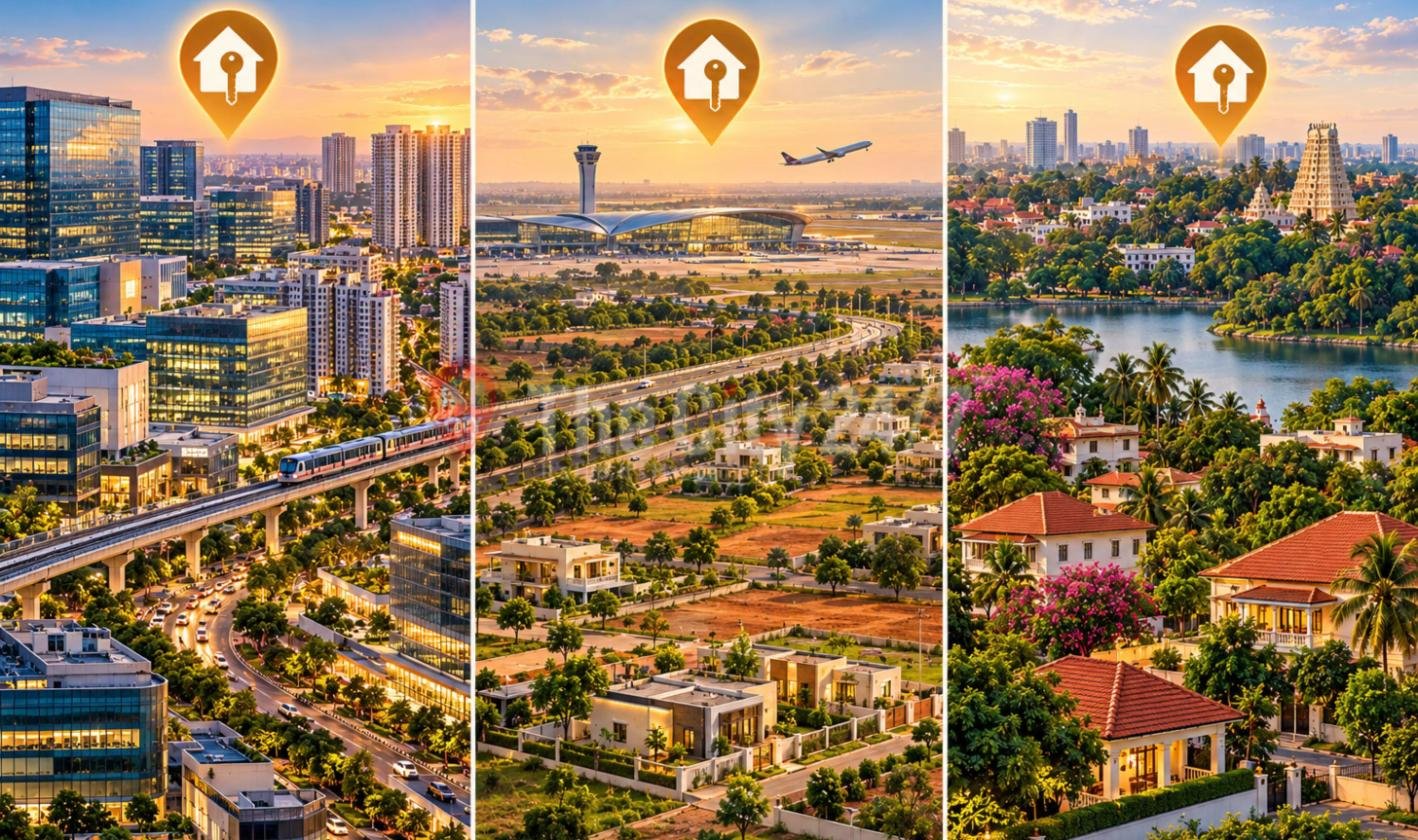 PROPERTY
East vs North vs South Bangalore: Where Should You Buy?
September 13, 2026
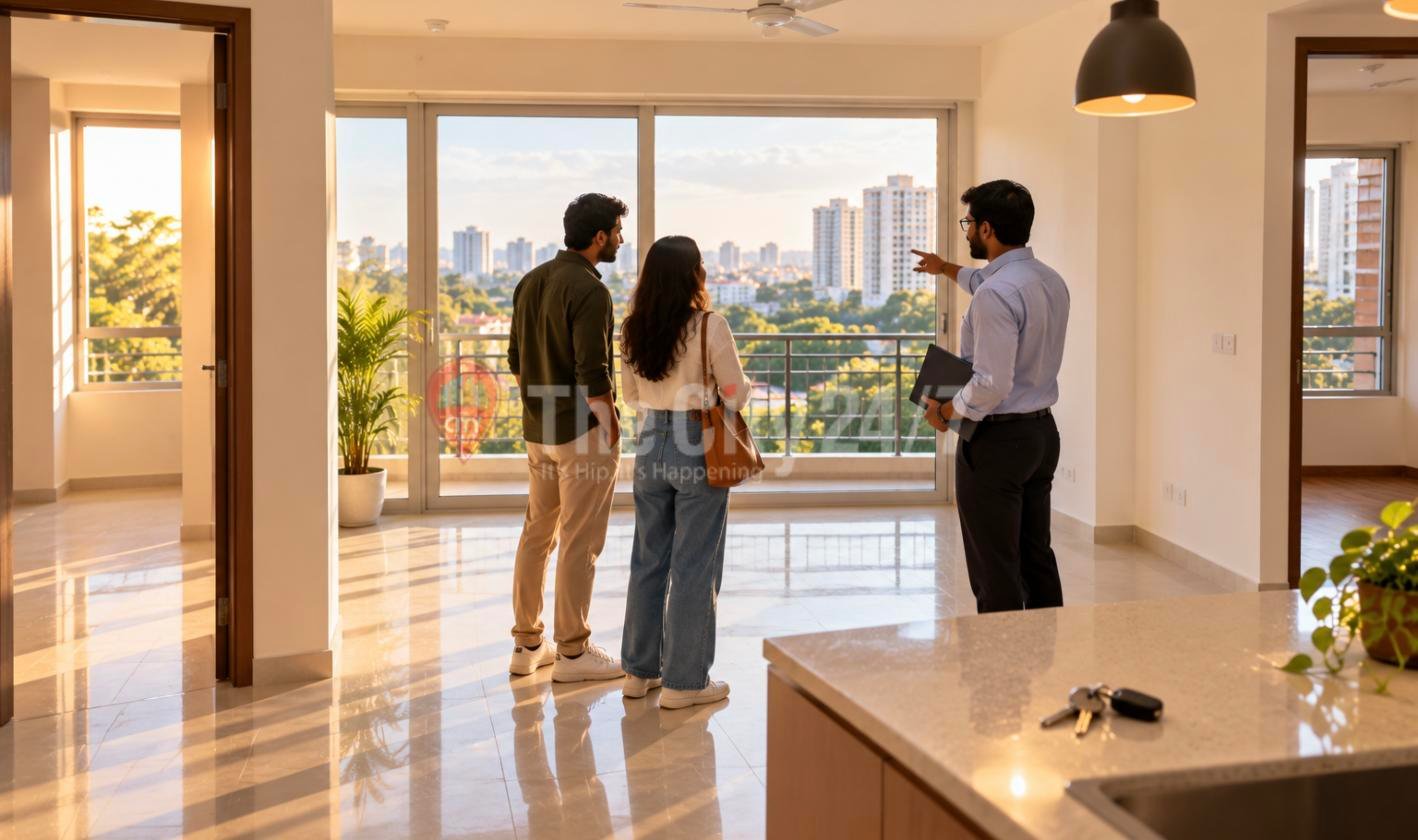 PROPERTY
What It Costs to Buy or Rent in Bangalore: The Full Breakdown
September 13, 2026
 PROPERTY
Bangalore's Property Market Explained: What Drives It and Where It Goes Next
September 13, 2026
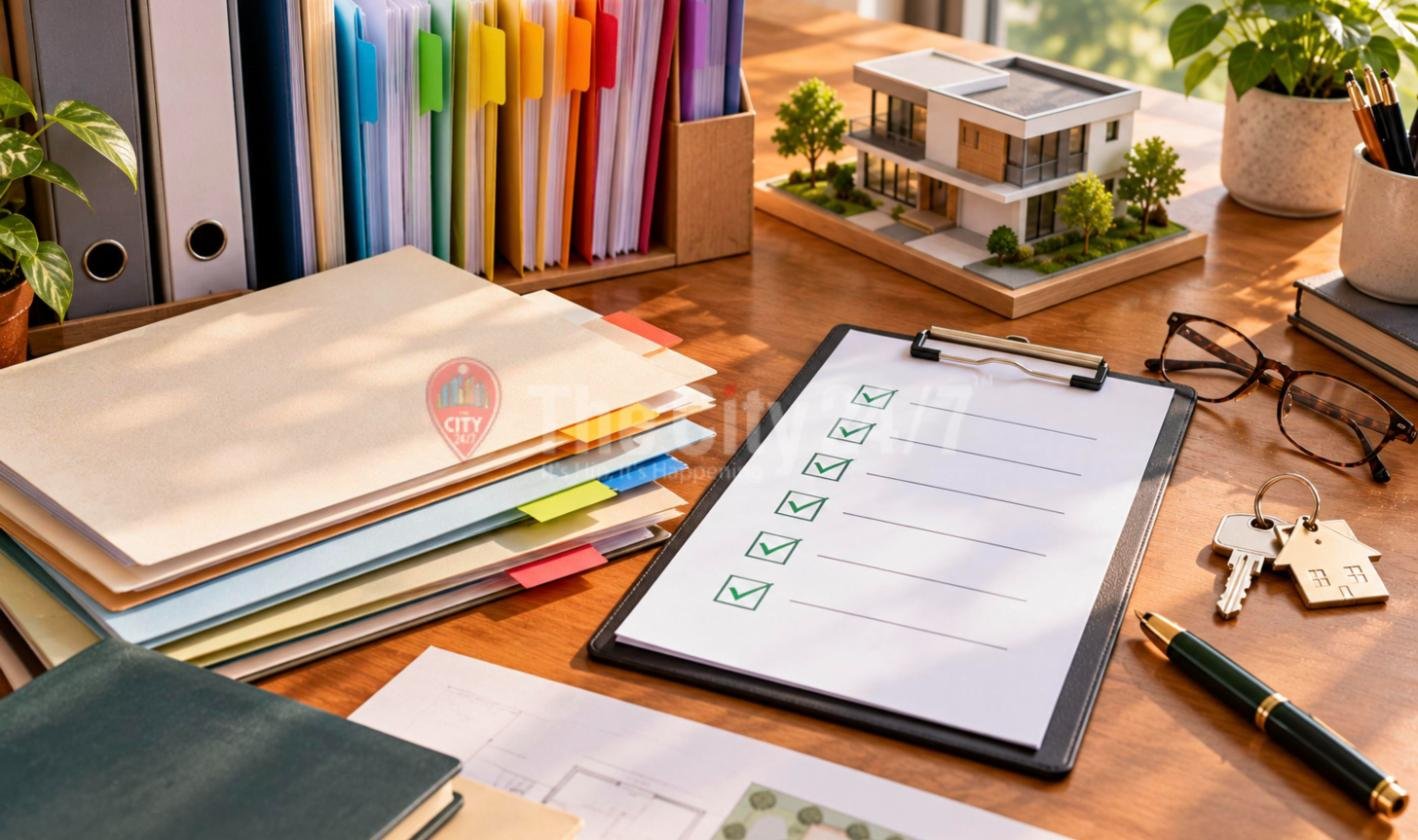 PROPERTY
The Bangalore Property Buying Checklist: Every Document You Must Check
September 13, 2026
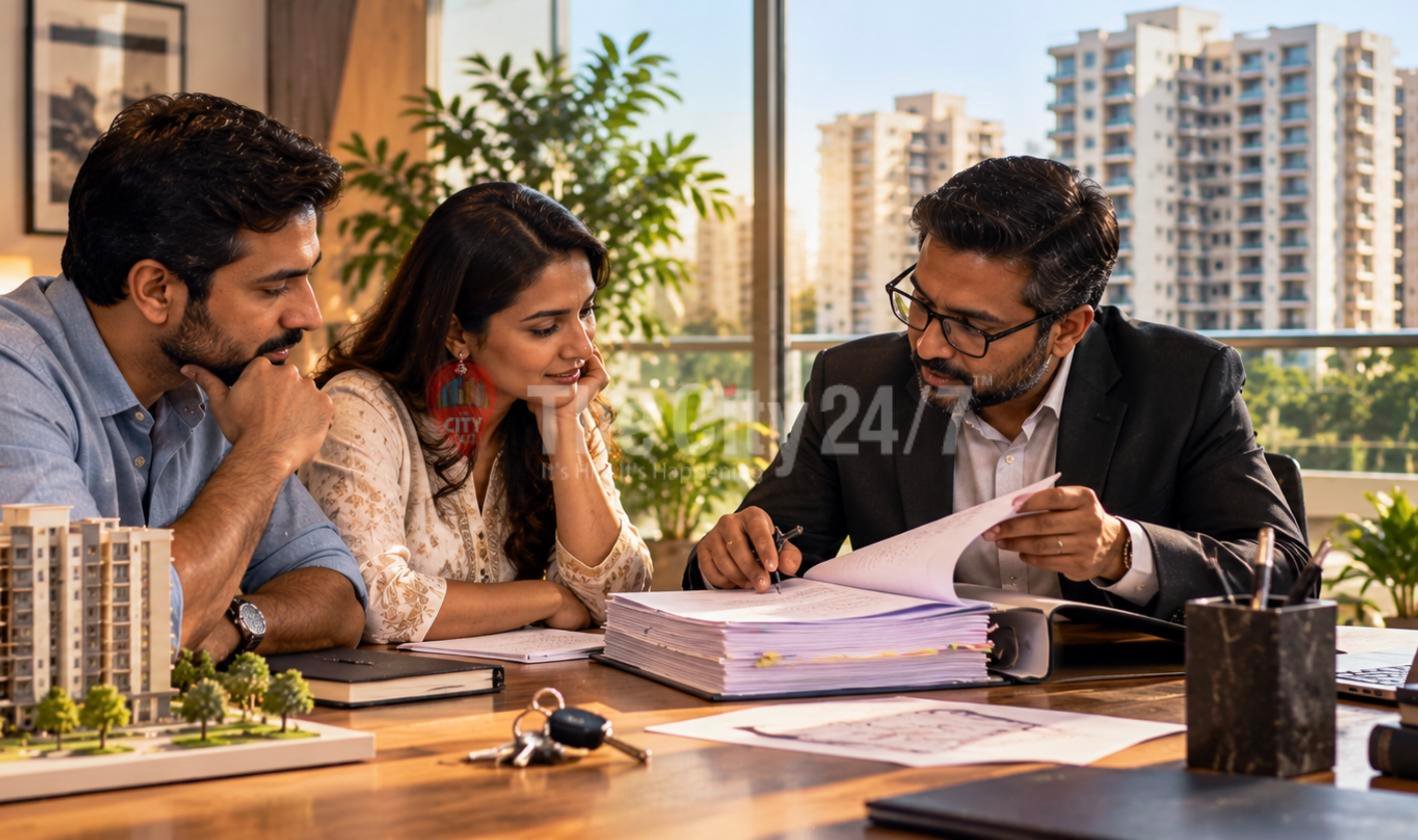 PROPERTY
Buying Property in Bangalore: The Documents, the Costs and the Checks That Matter
September 9, 2026
 PROPERTY
Assetz in Bangalore: The Design-Led Builder for People Tired of Beige Towers
September 19, 2026
