


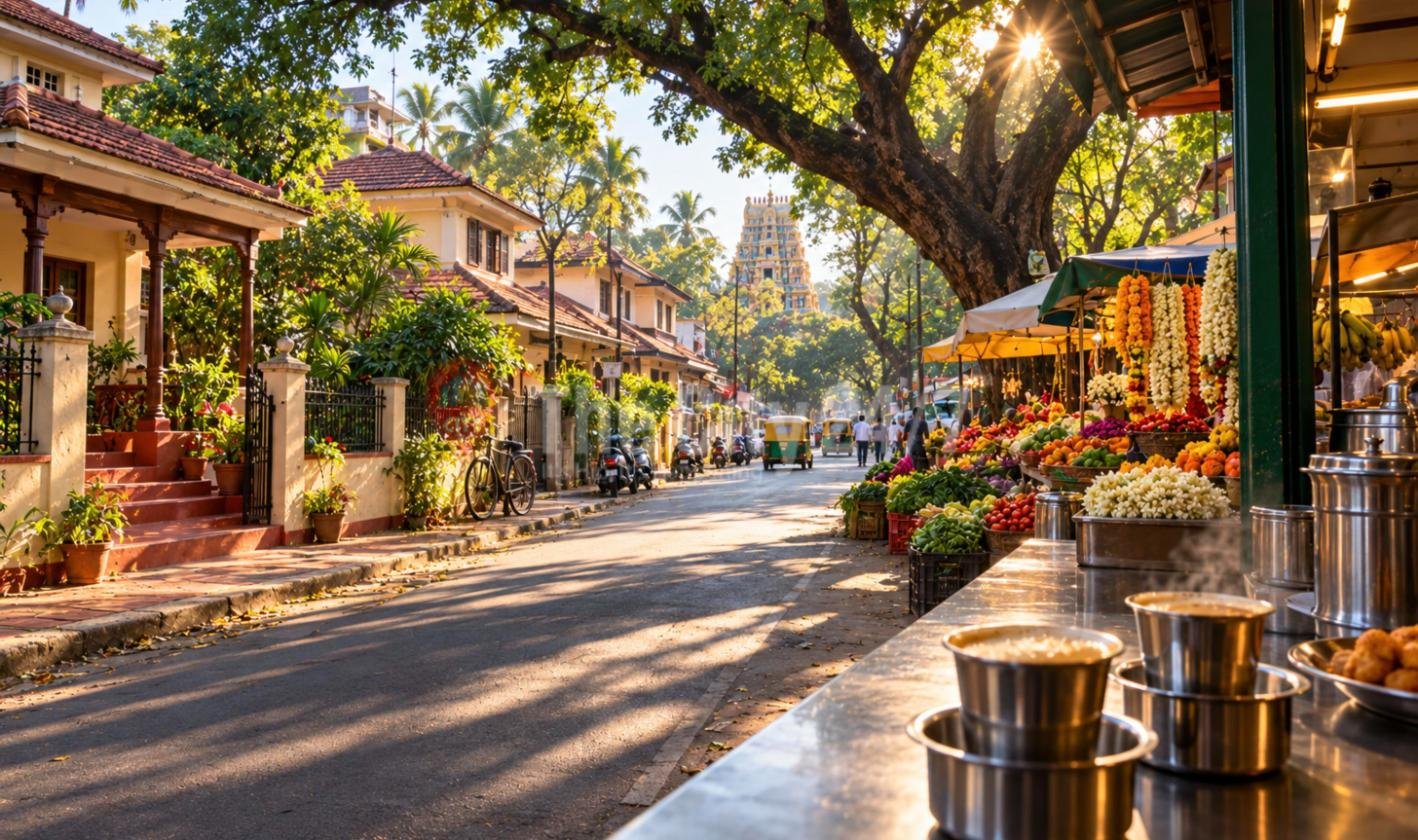
“Malleshwaram does not perform old Bangalore for visitors. It simply never stopped being it, which is a much harder thing to do.”
• On authenticity
Malleshwaram exists because of a plague. When the epidemic of 1898 swept through the crowded pete area of Bangalore, the administration laid out new extensions to the north and west to move people into lower density housing, and Malleshwaram was one of them. It was planned on a grid of Crosses and Mains around the Kadu Malleshwara temple that gave it its name, and it has been continuously inhabited by broadly the same kind of household ever since.
What that means in practice is the best-preserved neighbourhood culture in the city. 8th Cross and Sampige Road hold shops that have been in the same family for four generations. The Sunday market still functions as a market. The breakfast is arguably the best in India. And the tree cover on the inner Crosses is old enough that the streets are genuinely cool in April.
This guide covers the streets that matter, the food, the temples and markets, what rent costs in 2026, the metro, and an honest verdict on living in the old west.
Quick Information
Malleshwaram in one table. It is the only neighbourhood in this series where the most useful column is what time things open.
Where Is Malleshwaram and What Are Its Main Streets?
Malleshwaram sits in north-west Bangalore, bounded roughly by Sadashivanagar and Sankey Tank to the east, Rajajinagar to the south, Yeshwanthpur to the west and the IISc campus to the north. Internally it runs on a grid of numbered Crosses and Mains, and four streets carry the neighbourhood.
- 8th Cross. The heart of Malleshwaram. Sweet shops, silk stores, flower vendors, hardware, temple supplies, and the highest concentration of shops older than most Indian companies.
- Sampige Road. The main commercial spine, running the length of the neighbourhood. Jewellers, textiles, banks, restaurants, and the Mantri Square Sampige Road metro station.
- Margosa Road. Quieter and greener, with old bungalows, small clinics and some of the neighbourhood's best tree cover.
- 15th Cross and 11th Cross. The residential Crosses, where Malleshwaram is at its most itself: low buildings, rain trees, and someone practising veena at 7 AM.
- Malleshwaram Circle. The junction that connects everything, and the point where the neighbourhood meets the traffic of the wider city.
Why Is Malleshwaram Famous for Breakfast?
Because this is where the city's oldest and best south Indian breakfast institutions are, and several of them have been serving the same short menu since before independence. Malleshwaram's breakfast culture is not a food trend that happened here, it is the neighbourhood's actual daily routine, which is why the standard has never dropped.
- What to order. Idli vada, khali dosa, masala dosa, rava idli, kesari bath, chow chow bath and a filter coffee. Under Rs 200 a head almost everywhere.
- When to go. Between 7 AM and 8:30 AM. By 9 on a weekend the queues at the famous places run out of the door and down the pavement.
- The 8th Cross run. You can eat breakfast at three separate places within two hundred metres of each other and each will be excellent. Locals do exactly this.
- Sweet shops. Mysore pak, dharwad peda, chiroti, obbattu and seasonal specials, especially around Ugadi and Deepavali. Some of these counters are a century old.
- Filter coffee. This is the neighbourhood's real currency. Order it by the tumbler and drink it standing up like everyone else.
Our breakfast guide and vegetarian food guide both cover Malleshwaram in detail, because it is impossible to write either without it.
What Is the Malleshwaram Sunday Market?
A weekly street market along 8th Cross and the surrounding Crosses that has been running for generations, and the single best morning out in north Bangalore. Vegetables, flowers, fruit, greens, temple supplies, plants, household goods and a great deal of shouting, all set up on the road from early morning and cleared by afternoon.
Go before 9 AM. Bring a bag, bring cash and small notes, and expect to be gently outmanoeuvred on price by women who have been buying vegetables here for forty years. Prices are a fraction of any supermarket and the produce moves fast enough that quality is high. The market is also the clearest single window into how this neighbourhood actually operates.
During Varamahalakshmi, Ganesha Chaturthi, Navaratri and Deepavali, 8th Cross becomes almost impassable and completely wonderful. Park far away, or take the metro to Sampige Road and walk in.
What Are the Temples and Cultural Institutions in Malleshwaram?
The Kadu Malleshwara temple gave the neighbourhood its name and remains its anchor, a 17th century Shiva temple after which the whole extension was called. Around it sits one of the densest temple concentrations in Bangalore, including the Nandeeshwara Teertha stepwell temple, which was rediscovered in 2007 behind a residential street and is now one of the more remarkable things you can walk into in this city.
Malleshwaram is also a centre of Carnatic music and classical dance, with sabhas, teaching institutions and small halls that run a steady calendar of concerts and recitals, heaviest during the December season. The Malleshwaram Grounds host exhibitions, festivals and sporting events, and the IISc campus at the northern edge brings a substantial academic population into the neighbourhood.
Our arts and culture guide covers the sabhas and venues across the city, and the history of Bangalore guide has more on how these extensions came to be.
How Do I Get to and Around Malleshwaram?
The Green Line, which runs directly through the neighbourhood. Mantri Square Sampige Road station sits at the commercial heart, with Srirampura and Kuvempu Road stations covering the southern and northern ends, and Majestic is only a few stops away.
- Metro. Green Line through Sampige Road, with Kuvempu Road and Srirampura either side. Yeshwanthpur, for both metro and long-distance trains, is close by.
- Rail. Yeshwanthpur Junction and Malleshwaram railway station give this part of the city better long-distance rail access than most neighbourhoods.
- Bus. Dense BMTC coverage on Sampige Road, Margosa Road and around Malleshwaram Circle.
- Walking. One of the three most walkable neighbourhoods in Bangalore. Footpaths, shade, and a market or shop on every Cross.
- Driving. The inner Crosses are narrow and parking on 8th Cross is close to impossible on weekends. Mantri Square has paid parking, and the metro is the sane option.
- Airport. Roughly 30 km north, and the closest of the city's established central neighbourhoods to it. Typically 50 to 80 minutes via Hebbal.
How Much Does It Cost to Live in Malleshwaram?
Among the better value central neighbourhoods in Bangalore, though that is changing. In 2026, expect roughly Rs 13,000 to Rs 24,000 a month for a 1BHK, Rs 23,000 to Rs 45,000 for a 2BHK and Rs 40,000 upward for a 3BHK, with the Margosa Road and Sadashivanagar-adjacent stretches at the top of every band.
The housing stock is mostly older: independent houses on original plots, 1970s and 1980s apartment blocks, and a limited amount of new construction, because plots here rarely change hands. Buying is expensive and slow for exactly that reason, and the neighbourhood has resisted redevelopment more successfully than most of the city.
As with Jayanagar, the real saving is in daily life. Market vegetables, breakfast under Rs 200, a metro station and a neighbourhood where you can walk to almost everything make Malleshwaram one of the cheapest central places in Bangalore to actually live. Our cost of living guide has the month-by-month numbers.
Is Malleshwaram a Good Place to Live? An Honest Verdict
Yes, if you want a neighbourhood rather than a lifestyle. Malleshwaram gives you tree cover, walkability, a metro line, the best breakfast in the city, real markets, temples, music and a resident community that has been continuous for over a century. It gives you almost nothing that is new.
- Move here if. You have a family, you cook, you like markets, you work centrally or in the north, or you simply want to live somewhere with a memory.
- Move here if you are near IISc or Yeshwanthpur. Academic and rail connections make this one of the more convenient parts of the city for both.
- Think twice if. You want breweries, coworking floors and a social scene built around your job. Malleshwaram has very little of any of it.
- Think twice if you commute east. Malleshwaram to Whitefield or the ORR corridor is one of the longest regular journeys in Bangalore.
- Consider nearby instead. Rajajinagar and Vijayanagar for better value with Purple Line access, Sadashivanagar for the premium version, and Basavanagudi for the southern equivalent of the same character.
What Is There to Do in Malleshwaram?
Sankey Tank, first. The lake on the eastern edge has the best walking loop in north Bangalore, busy from before sunrise with walkers and runners, and it remains one of the city's genuinely well-maintained public spaces. Around it, Sadashivanagar's quiet roads make for an easy extension of the same walk.
Beyond that, the neighbourhood's pleasures are ordinary and durable: the Sunday market, the temple circuit, the sabha calendar, Mantri Square for cinema and mainstream retail, the Malleshwaram Grounds for exhibitions and festivals, and a long list of shops worth browsing on 8th Cross and Sampige Road. There is a strong badminton and swimming club culture here, and the tree-covered Crosses make it one of the better parts of the city for a purposeless evening walk.
Our things to do guide and shopping guide both cover Malleshwaram, and the events calendar has what is on across the city this week.
Malleshwaram: Frequently Asked Questions
Why is Malleshwaram called Malleshwaram?
After the Kadu Malleshwara temple, a 17th century Shiva temple around which the extension was laid out from 1898 onward.
Why was Malleshwaram built?
It was created as a planned lower-density extension after the plague of 1898 hit the crowded old pete area, part of a deliberate move to spread the city out.
What is 8th Cross Malleshwaram famous for?
Old family-run shops, sweet shops, silk and textile stores, flower and temple supply vendors, and the weekly Sunday street market. Several businesses there are over a century old.
Where is the best breakfast in Malleshwaram?
Along 8th Cross and Sampige Road, where several of Bangalore's oldest breakfast institutions serve idli, vada, dosa, rava idli and filter coffee from around 6:30 AM. Go before 8:30 AM to avoid the queues.
When is the Malleshwaram Sunday market?
Sunday mornings along 8th Cross and the nearby Crosses, set up from early morning and cleared by afternoon. Arrive before 9 AM, bring cash and a bag.
How much is rent in Malleshwaram in 2026?
Roughly Rs 13,000 to Rs 24,000 a month for a 1BHK, Rs 23,000 to Rs 45,000 for a 2BHK and Rs 40,000 upward for a 3BHK, which makes it one of the better value central neighbourhoods.
Does Malleshwaram have a metro station?
Yes. The Green Line runs through it with Mantri Square Sampige Road at the centre and Kuvempu Road and Srirampura stations either side. Yeshwanthpur is close by for rail.
Is Malleshwaram good for families?
Very. Established schools, good hospitals, walkable streets, dense tree cover, real markets and a stable intergenerational community make it one of the best family neighbourhoods in the city.
What is the Nandeeshwara Teertha temple?
A stepwell temple behind a residential street in Malleshwaram, rediscovered in 2007, and one of the more unexpected historic sites you can walk into anywhere in Bangalore.
Malleshwaram or Jayanagar: which should I pick?
Both offer old, walkable, well-planned Bangalore with metro access. Malleshwaram is closer to the airport and IISc and has the better market and breakfast culture. Jayanagar has more space, more parks and a bigger shopping complex.
Useful Contacts and Links for Malleshwaram
The official sources worth keeping if you live in or are moving to north-west Bangalore.
Tell Me Your 8th Cross Order
Malleshwaram breakfast loyalties are inherited, not chosen, and I want to hear which counter your family swears by, along with anything I have missed. Click the WhatsApp icon at the bottom right of your screen and tell me. That is also the fastest way to reach The City 24/7 about anything at all.
And if you want the city explained one useful thing at a time, join our ever growing community. One weekly email, free, and a lot more reliable than the algorithm.
Same city, new stories, always.

Related Stories
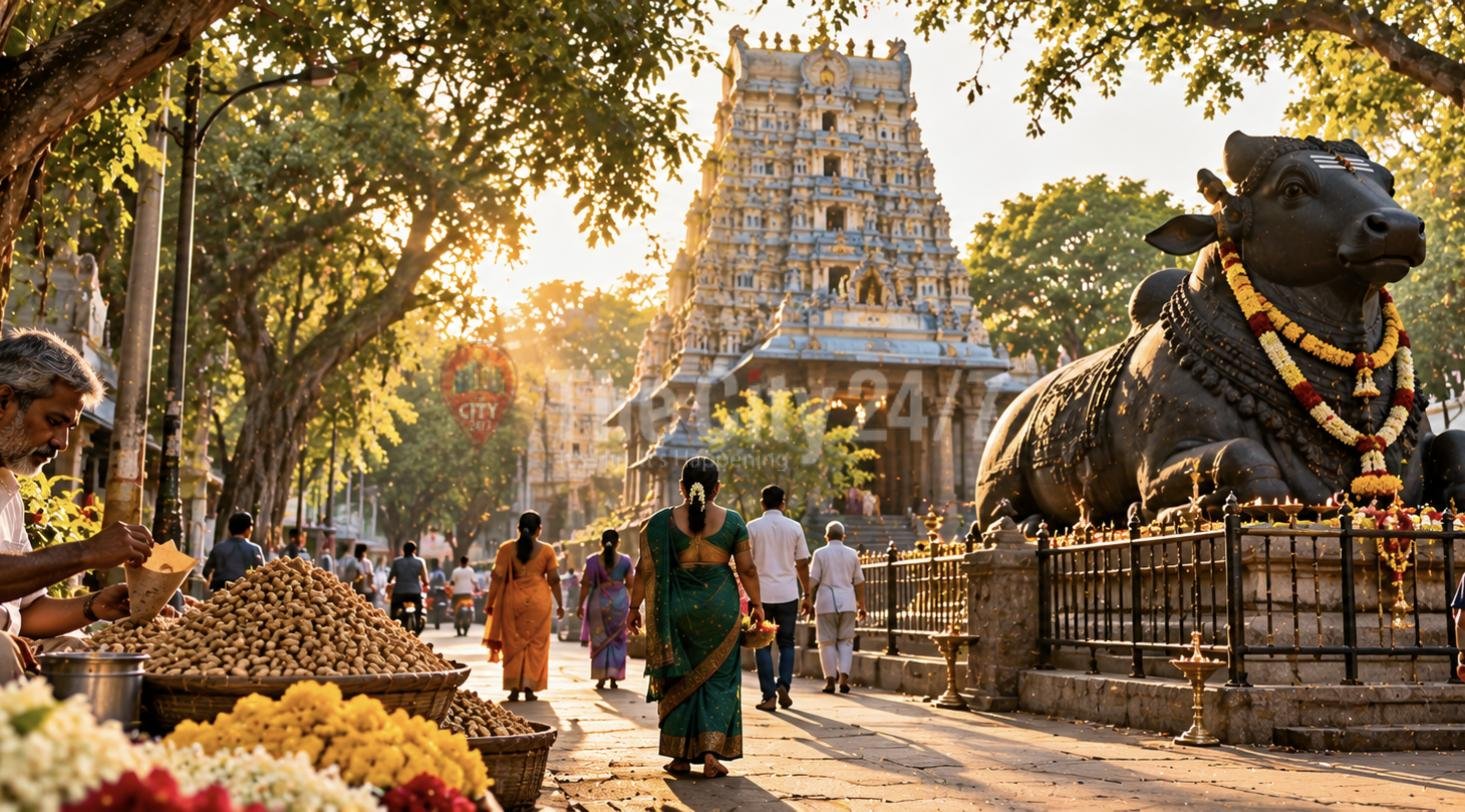 CITY GUIDE
Basavanagudi: The Complete Guide to the Quietest, Oldest Corner of Bangalore
September 9, 2026
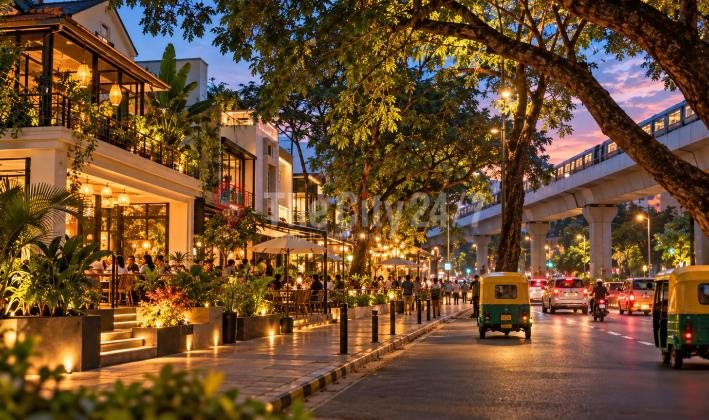 CITY GUIDE
Indiranagar: The Complete Guide to Bangalore's Loudest, Best-Fed Neighbourhood
September 9, 2026
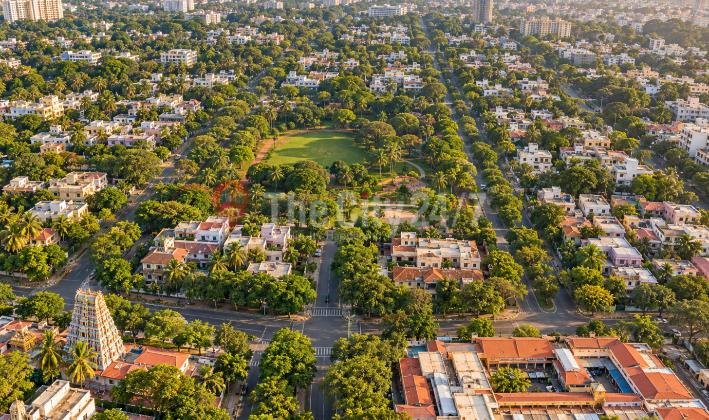 CITY GUIDE
Jayanagar: The Complete Guide to the Best-Planned Neighbourhood in Bangalore
September 9, 2026
 CITY GUIDE
Your First 30 Days in Bangalore: The Week by Week Checklist
September 9, 2026
 CITY GUIDE
The Best Things to Do in Bangalore, From Someone Who Lives Here
September 8, 2026
 CITY GUIDE
A Guide to Bangalore's Markets: Go at Six, Leave by Nine
September 11, 2026
