


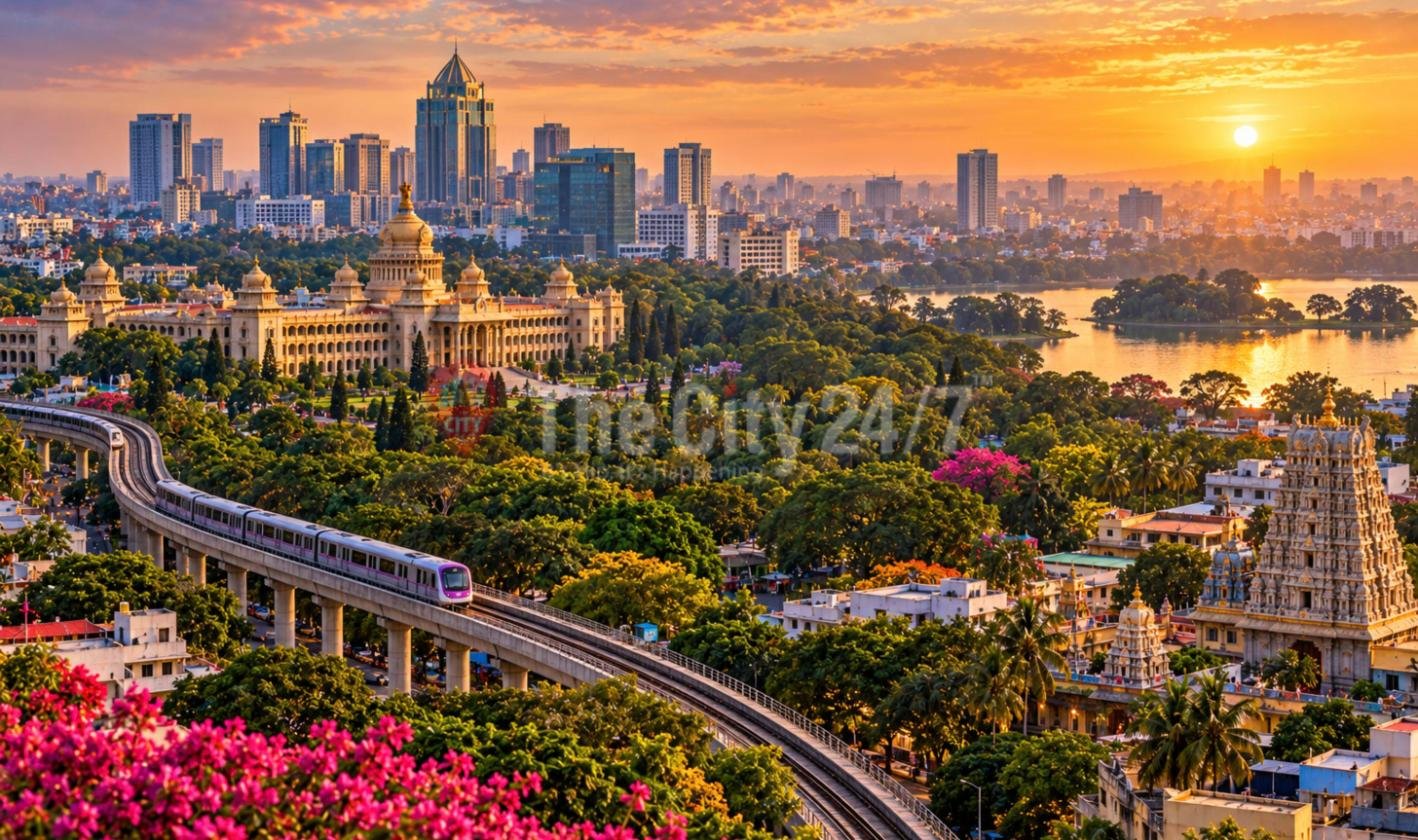
“Nobody moves to Bangalore for the traffic and nobody leaves because of it either.”
• A local truth
Bangalore is India's most liveable large city and its most frustrating one, often in the same afternoon. It has the best weather of any major Indian city, the deepest technology economy in the country, more trees than anywhere comparable, and roads that will test your patience daily.
This is the guide I would hand to anyone arriving here, whether for four days or four years. It covers the practical things first, because those are what determine whether your first month goes well: weather, where to stay, how to move, what things cost. Then the good stuff, which is why people who complain about this city keep living in it.
Where a detail changes often, like metro lines or costs, I have said what is current in 2026 and pointed you at the official source. Everything else is what I have learned by living here.
Quick Information
The city in one screen. For the reader who has landed, has thirty seconds and has questions.
When Is the Best Time to Visit Bangalore?
November to February, without hesitation. Bangalore sits at about 900 metres above sea level and that altitude gives it the best climate of any major Indian city, but the winter months are when it is at its absolute best: dry days in the mid twenties, evenings that need a light jacket, and clear skies.
April and May are the hot months, and by local standards that means the mid thirties, which is still a good deal compared with most of the country. The monsoon runs roughly June to October, with the heaviest and most theatrical rain arriving in the second half of that window, usually at exactly the hour you were planning to travel.
- November to February. Peak season for a reason. Also the city's busiest cultural calendar.
- March to May. Hot by Bangalore standards, and the best time for the city's parks in the early morning.
- June to October. Green, cool and wet. Carry a compact umbrella permanently.
- Any month. Honestly fine. This is not a city with a bad season, only a best one.
Where Should I Stay in Bangalore?
Central Bangalore if you are visiting, near your office if you are moving. For a short trip, the MG Road, Cantonment, Richmond Town and Indiranagar belt puts you close to the metro, the restaurants and most of what visitors come for.
For a longer stay, the calculation flips entirely and becomes a commute question. This city punishes long commutes harder than it rewards nice neighbourhoods, and our full guide to the city's neighbourhoods goes through each area in detail.
- Visiting for a few days. MG Road, Cantonment, Indiranagar or Richmond Town. Central, walkable and metro-connected.
- Business trip to the tech corridors. Whitefield or the Outer Ring Road side for the east, Electronic City for the south. Do not stay centrally and commute.
- Family holiday. Jayanagar or Indiranagar. Parks, food and short distances.
- Long stay. Choose by commute first, then by neighbourhood character.
How Do I Get Around Bangalore?
Metro where it goes, autos for the last mile, buses for everything else. Namma Metro has three operational lines covering around 96 km, fares run about Rs 10 to Rs 90, and it is the only mode in the city with a predictable journey time.
BMTC's buses are cheap and extensive, app-booked autos are the best short-distance option, and bike taxis are the fastest way to cross town in peak hours. There is no metro to the airport yet, so use a Vayu Vajra bus at roughly Rs 150 to Rs 400, or a cab at Rs 800 to Rs 1,500. Our full transport guide covers all of it properly.
Do not schedule anything that requires crossing the city between 5 and 8 PM on a weekday. Not a meeting, not a dinner, not an airport run you have not padded by an hour.
What Should I Eat in Bangalore?
Start with a masala dosa and a filter coffee, and go from there. Bangalore's food runs from century-old darshinis serving idli at seven in the morning to some of the most ambitious restaurants in the country, and the range between those two poles is the real pleasure of eating here.
- Breakfast. Idli, vada, masala dosa, khali dosa, rava idli and filter coffee, at a darshini, standing up, before 9 AM.
- Local specialities. Bisi bele bath, ragi mudde, Mangalorean and Kodava food, and the Military hotel style of mutton cooking.
- The pub thing. Bangalore effectively invented India's pub culture and now leads its craft brewing. This is not a claim, it is a fact of the licensing history.
- Coffee. Filter coffee at an old establishment, and a third wave roaster in the afternoon. Both are excellent here.
- Street food. VV Puram food street and the market areas. Go hungry and go early.
What Are the Best Things to Do in Bangalore?
Walk in Cubbon Park early, spend a morning in Lalbagh, and give the city's neighbourhoods a full day each. Bangalore rewards slow exploration far more than a checklist, and its best attractions are green rather than monumental.
- Lalbagh Botanical Garden. The glass house, the rock, the tree collection and the flower shows. The single best thing to do here.
- Cubbon Park. Central, enormous and closed to traffic on Sundays. The city's living room.
- Bangalore Palace and Tipu Sultan's Summer Palace. The two heritage buildings worth your time.
- Malleshwaram and Basavanagudi. Old Bangalore, on foot, in the morning.
- The market areas. KR Market, Chickpet and Commercial Street, each a different kind of chaos.
- Nandi Hills at sunrise. An hour and a half away, and the standard Bangalore weekend ritual.
What Does Living in Bangalore Cost?
Less than Mumbai, more than most of the rest of the country. Rent is the dominant cost and it varies enormously by area: a one bedroom flat in a mid-range neighbourhood runs a fraction of the same flat in Indiranagar or prime Whitefield.
Transport is cheap if you use the metro and buses and expensive if you default to cabs, which is the single biggest avoidable cost for most new arrivals. Food covers the entire range, from a hundred rupee thali to a tasting menu, and both are worth doing.
- Rent. Your biggest cost and the one most affected by which neighbourhood you pick. Deposits here are typically several months of rent, so budget for that.
- Transport. A metro smart card and an occasional auto will cost you a small fraction of daily cab use.
- Food. Extremely reasonable if you eat local, and as expensive as you want it to be if you do not.
- Utilities and internet. Reliable and cheap. Fibre broadband here is among the best in the country.
What Should I Know Before Moving to Bangalore?
Learn a little Kannada, register with the practical services early, and choose your neighbourhood by commute. Those three things will do more for your first three months than anything else.
- Learn some Kannada. Even twenty words changes how the city responds to you. This is the single most underrated piece of advice for new arrivals.
- Sort water and power. Ask about water supply and backup power before you sign a lease. In many areas these are the real quality-of-life questions.
- Get the apps. Metro, live bus tracking, an auto app and a food delivery app. That is the local toolkit.
- Expect rain. Carry an umbrella from June onwards and accept that a heavy shower rearranges the evening.
- Give it a season. People who arrive in April think the city is hot and crowded. People who arrive in December think it is paradise. It is neither, and both.
Bangalore: Frequently Asked Questions
Is it called Bangalore or Bengaluru?
Both. Bengaluru is the official name, adopted in 2014, and Bangalore remains in everyday use, including by people who have lived here all their lives.
What is the best time to visit Bangalore?
November to February, when the weather is dry, cool and clear. The city's cultural calendar is also at its busiest then.
Why is Bangalore's weather so good?
Its elevation. The city sits at about 900 metres above sea level, which keeps temperatures moderate through the year.
How many days do I need in Bangalore?
Three days covers the city's main attractions comfortably. Four or five lets you add a day trip to Nandi Hills or Mysore.
What language do people speak in Bangalore?
Kannada is the state language, and English and Hindi are widely spoken, along with Tamil, Telugu and Malayalam. English will get you through almost every situation.
Is Bangalore expensive to live in?
Less than Mumbai and more than most other Indian cities. Rent is the dominant cost and varies sharply by neighbourhood.
Is Bangalore safe?
It is generally considered one of the safer large Indian cities, with the usual big-city caution applying late at night and in crowded areas.
Is there a metro to the airport?
Not yet. The Blue Line that will connect Kempegowda International Airport is under construction. Use a Vayu Vajra bus or a cab in the meantime.
What is Bangalore famous for?
Its technology and startup economy, its parks and tree cover, its pub and craft beer culture, its filter coffee and its weather.
Who founded Bangalore?
Kempe Gowda I, in 1537. The city's original mud fort and the four watchtowers he built still anchor its geography.
What food is Bangalore known for?
Masala dosa and filter coffee above all, along with bisi bele bath, ragi mudde, Mangalorean and Kodava cooking, and a very strong modern restaurant scene.
Contact Details and Useful Links
The official sources worth bookmarking when you arrive.
New Here, or Been Here Thirty Years?
Either way, if there is something this guide should cover and does not, click the WhatsApp icon at the bottom right of your screen and tell me. This page gets updated as the city changes. That is also the easiest way to reach The City 24/7 about anything at all.
And if you want the city explained one useful thing at a time, join our ever growing community. A weekly email, free, and a lot more reliable than the algorithm.
Same city, new stories, always.

Related Stories
 CITY GUIDE
The Cost of Living in Bangalore: What It Actually Takes Each Month
September 9, 2026
 CITY GUIDE
Jayanagar: The Complete Guide to the Best-Planned Neighbourhood in Bangalore
September 9, 2026
 CITY GUIDE
A Guide to Bangalore's Markets: Go at Six, Leave by Nine
September 11, 2026
 CITY GUIDE
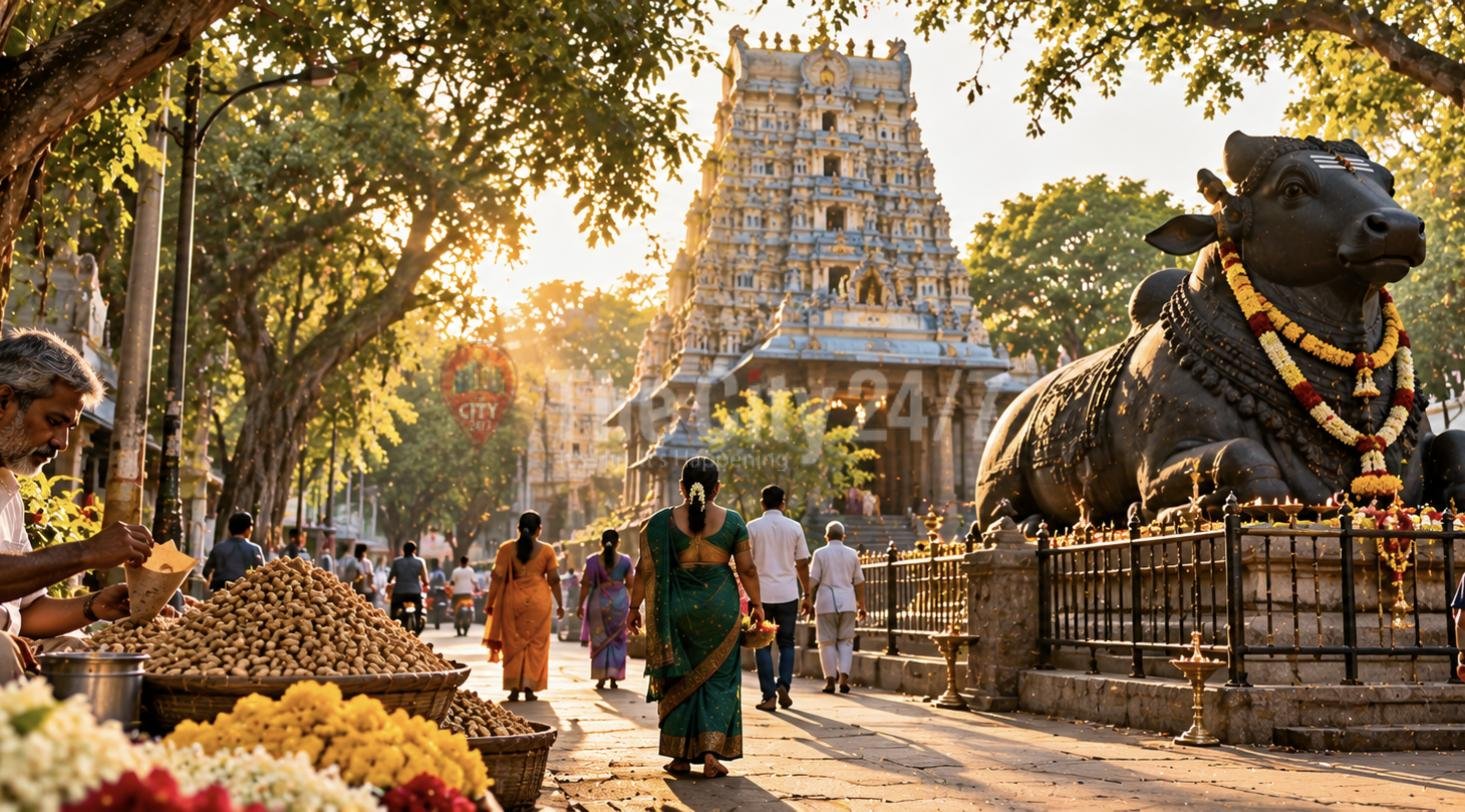
Basavanagudi: The Complete Guide to the Quietest, Oldest Corner of Bangalore
September 9, 2026
 CITY GUIDE
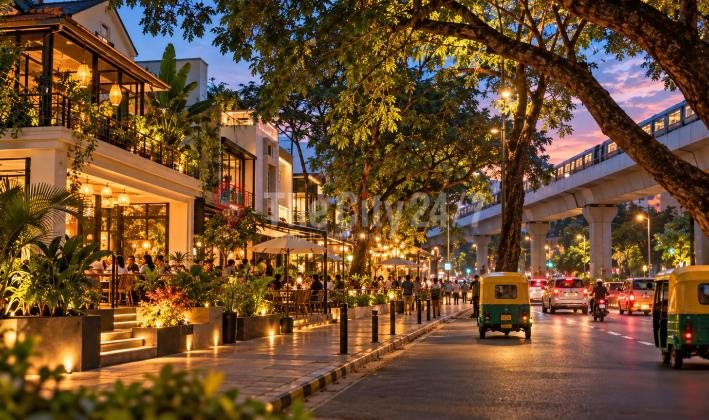
Indiranagar: The Complete Guide to Bangalore's Loudest, Best-Fed Neighbourhood
September 9, 2026
 CITY GUIDE
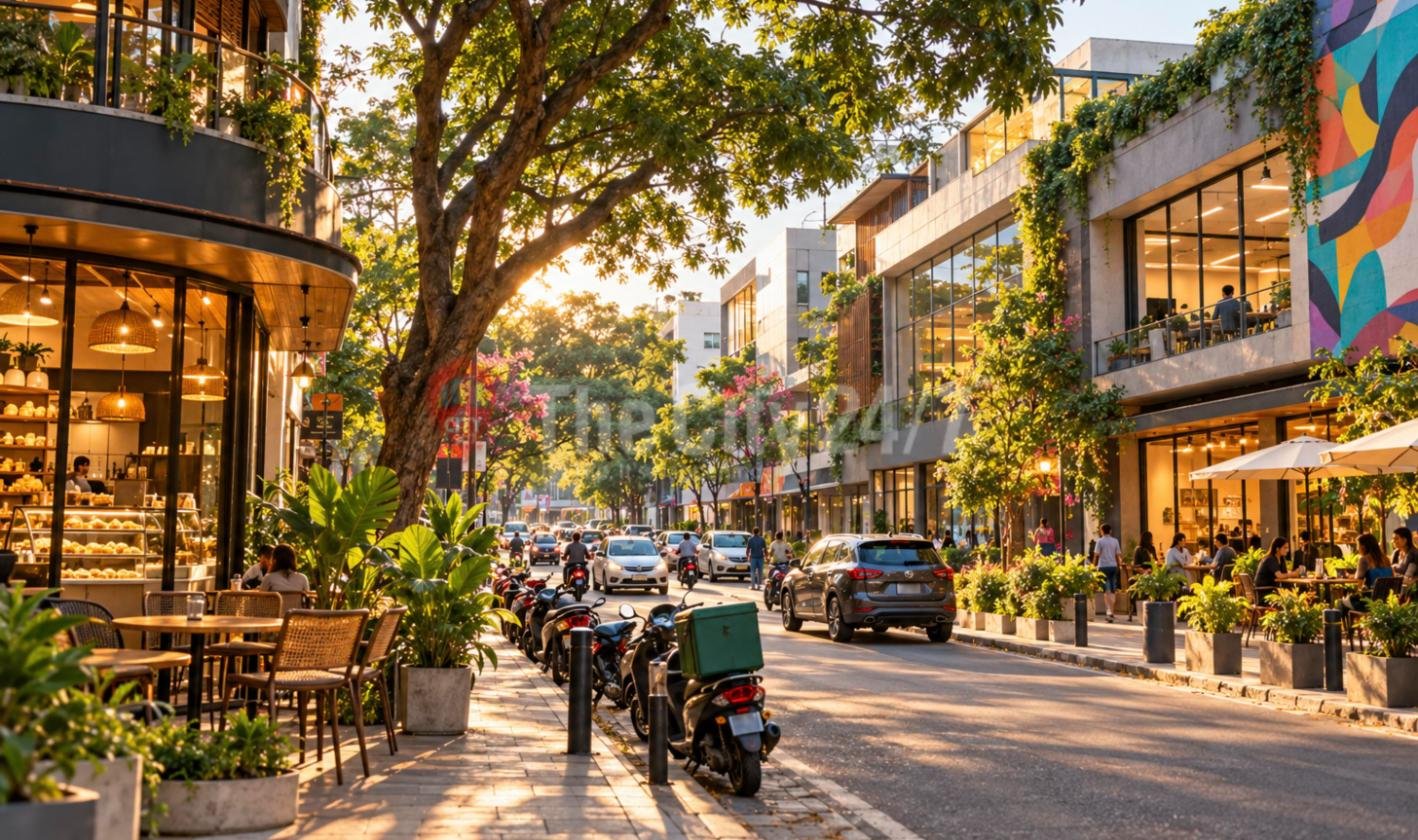
Koramangala: A Complete Guide to the Neighbourhood That Built Indian Startups
September 9, 2026
