


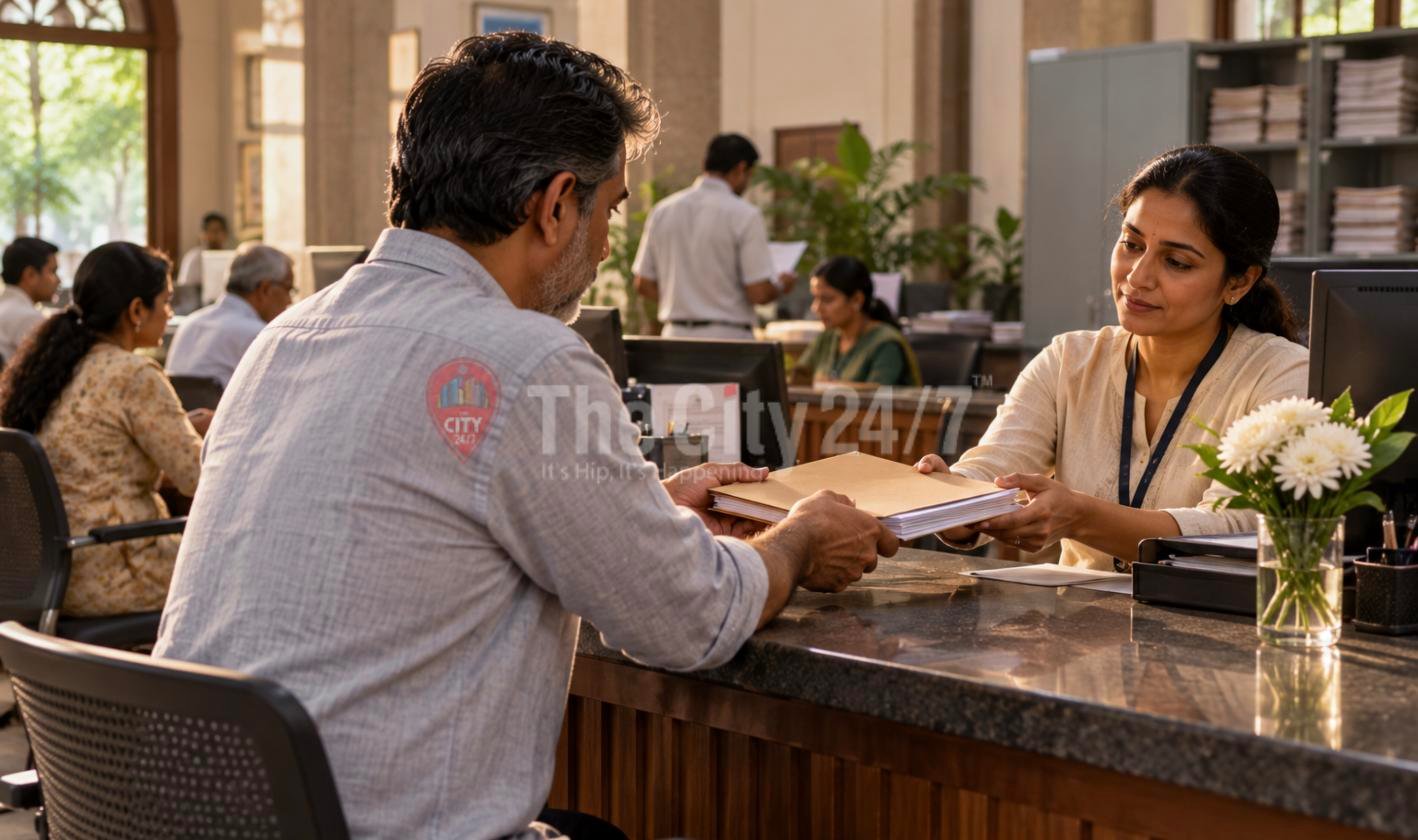
“Ask for six copies, not one. Every bank, insurer, registrar and utility will want an original, and returning for more is the last thing you need in that month.”
• The most practical advice in this guide
If you are reading this in the days after a death, the essentials are these. For a death in a hospital, the institution reports it to the registrar. The registration happens in the e-Janma system. You will need the certificate for banks, insurance, pension, property transfer and almost every other formality, and you should obtain several copies.
Deaths in Karnataka are registered under the Registration of Births and Deaths Act with the Karnataka Registration of Births and Deaths Rules 1999. In the city area, health officers and health inspectors register deaths in e-Janma; in rural areas village accountants do so through Nada Kacheri at hobli level. Private hospitals report to the respective registrar.
Administration now sits with the five city corporations under the Greater Bengaluru Authority, which replaced BBMP with the handover completed on 2 September 2025. This guide covers reporting, obtaining the certificate, what it is needed for, and the related documents families usually need next.
Quick Information
The essentials for the first fortnight. Verify current fees before paying.
Who Reports a Death and How?
For a death in a hospital or nursing home, the institution reports it to the registrar. For a death at home, the head of the household or the nearest relative is responsible for reporting it, within twenty one days.
For an institutional death, the hospital completes Form 2 and the medical certification of cause of death, and reports to the registrar for its jurisdiction. The family's practical task is to obtain the registration number and the paperwork before leaving, because that number is what everything afterwards depends on.
For a death at home, the family reports it. You will need medical certification of the cause of death, which means involving a doctor, and where a death is unnatural, unexpected or unattended by a physician, police involvement and a post mortem may be required before registration can proceed. In that situation follow the process the police and hospital set out; registration follows once the medical certification exists.
“The registration number the hospital gives you is the thread that runs through the next six months of formalities. Photograph it before you leave the building.”
• On the one thing not to lose
How Do I Obtain the Certificate?
Through Seva Sindhu or the civic portal's certificates section using the registration number, the date of death and the deceased's name, or from the registration centre for the jurisdiction where the death occurred.
- 1. Obtain the registration number. From the hospital at the time, or from the registration centre if the death was at home. Everything else follows from this.
- 2. Allow time for the record to appear. The report has to flow from the institution to the registrar and into the system. A few days is normal.
- 3. Check DigiLocker. Certificates issued after 2019 may be available there, which saves a trip and is accepted for many purposes.
- 4. Use the certificates section of the civic portal. Selecting death certificate, and reaching the portal through the official civic website rather than a search advertisement.
- 5. Enter the details. Registration number, date of death and the deceased's name as recorded. Spelling must match the record exactly.
- 6. Pay any fee shown. Downloads of registered certificates through Seva Sindhu are reported to be free, while certified copies from the office carry a small fee. Keep a screenshot of any payment confirmation until the download completes.
- 7. Order several copies. Six or more. Each bank, insurer, pension authority, registrar and utility provider will want one, and many retain it.
- 8. Check every detail immediately. Name spellings, date, age and address. A correction is far easier now than after claims have been filed, and our corrections guide explains the registrar's duty to fix clerical errors.
What Will I Need the Certificate For?
- Bank accounts and lockers. To close accounts, claim balances and access lockers. Each bank will want its own copy, and most will also ask for identity documents of the claimant.
- Insurance claims. Life insurance, health insurance and any accident cover. Insurers typically require an original and their own claim forms.
- Pension and provident fund. For family pension, EPF claims and gratuity. These processes are document heavy and slow, so start early.
- Property transfer. Along with a legal heir certificate or succession certificate depending on the situation. Our legal heir guide covers the distinction, which matters.
- Khata transfer for property. Where the deceased owned property, the khata needs transferring, and the death certificate is part of that document set.
- Utility and service transfers. Electricity, water, gas connections, telephone and internet. Each requires its own application with a copy.
- Vehicle transfer. Through the transport department, requiring the certificate along with succession documentation.
- Closing other affairs. Subscriptions, memberships, tax filings for the final year, and demat and investment accounts. The list is longer than families expect.
What If the Death Was Not Registered, or the Record Is Wrong?
Both are resolvable. Unregistered deaths follow a delayed registration route with escalating authorisation, and errors in an issued certificate can be corrected by the registrar under Rule 11.
On corrections, this is worth knowing clearly. Rule 11 of the Karnataka Rules 1999 requires the registrar to investigate reported clerical or formal errors and, where satisfied an error exists, to correct or cancel the entry. Where a civic body refused a correction on the basis that a hospital had made the entry and that a court order was required, the Karnataka High Court examined that position and rejected it, observing that treating hospital entries as sacrosanct may lead to anomalies and potential misuse.
That matters because families frequently encounter errors in death certificates produced from hospital data entry, and are sometimes told nothing can be done. Get any refusal in writing with reasons, and our corrections guide sets out the escalation route. For a death never registered at all, our late registration guide covers the windows and the evidence required.
What Should I Do in the First Fortnight?
- Secure the registration number and hospital paperwork. Before leaving the hospital if possible. Photograph everything, including the medical certification of cause of death.
- Obtain six or more certificate copies. As soon as the record is live. This single step saves more time over the following months than anything else.
- Check the certificate for errors immediately. Name spellings, date, age, address and parentage. Corrections are easier now.
- Start the legal heir or succession document. Most claims and transfers need it, and it takes time. Our legal heir guide covers which one applies to your situation.
- List everything that needs notifying. Banks, insurers, pension, provident fund, utilities, property, vehicles, investments, subscriptions. Work through it rather than reacting.
- Keep a document file and a log. What was submitted where, on what date, with what reference. Multiple parallel processes each asking for originals makes this essential.
- Do not rush property decisions. Transfers and sales need the succession position settled properly. Our property checklist covers the documents a future buyer will require.
- Take help. A documentation service or a lawyer for the succession element is a reasonable expense at a point when nobody has spare capacity.
Death Certificates in Bangalore: Frequently Asked Questions
Who registers a death in Bangalore?
For a death in a hospital or nursing home, the institution reports it to the registrar. For a death at home, the head of the household or nearest relative reports it. In the city area health officers and health inspectors register deaths in the e-Janma system.
How long do I have to register a death?
Within 21 days of the death for normal registration. Beyond that a delayed registration process applies, with escalating levels of authorisation required as more time passes.
How do I get a death certificate in Bangalore?
Through the certificates section of the civic portal using the registration number, the date of death and the deceased's name, or from the registration centre for the jurisdiction where the death occurred. Certificates issued after 2019 may also be on DigiLocker.
How many copies of a death certificate should I get?
Six or more. Banks, insurers, pension and provident fund authorities, registrars, utility providers and the transport department will each want one, and many retain the copy they are given.
How much does a death certificate cost?
Commonly cited at around Rs 30 per copy, paid through the government payment gateway. Fees change, so verify the current amount on the official portal before paying.
What documents do I need to register a death?
Medical certification of the cause of death from the attending doctor or hospital, identity documents of the deceased and the informant, and the completed reporting form. For unnatural or unattended deaths, police involvement and a post mortem may be required first.
Can errors in a death certificate be corrected?
Yes. Rule 11 of the Karnataka Rules 1999 requires the registrar to investigate reported clerical errors and correct or cancel the entry. The High Court has rejected the position that a court order is needed for clerical corrections, so get any refusal in writing.
What is needed besides a death certificate to claim assets?
Usually a legal heir certificate or a succession certificate depending on the situation and the asset. They serve different purposes and the distinction matters, which our legal heir guide covers in detail.
What if a death was never registered?
A delayed registration route applies, with authorisation requirements escalating with time, and evidence needed to establish the fact of the death. Start at the registration centre for the jurisdiction where the death occurred.
Which authority handles death registration now that BBMP is gone?
The five city corporations under the Greater Bengaluru Authority, which replaced BBMP with the handover completed on 2 September 2025. Registration continues in e-Janma, and the relevant office is the one covering where the death occurred.
Official Contacts and Portals
The offices and portals you will need in the first fortnight.
Dealing With This Now?
If you are working through this after a bereavement and something is not moving, click the WhatsApp icon at the bottom right of your screen and tell me where you are stuck. These processes are more navigable than they look, and knowing which office and which document is usually the whole difficulty. That is also the fastest way to reach The City 24/7 about anything at all.
And if you want the city explained one useful thing at a time, join our ever growing community. One weekly email, free.
This guide is general information and not legal advice. Fees, processes and requirements change, and succession matters depend on personal law and individual circumstances, so verify the current position and take legal advice on claims and transfers. Same city, new stories, always.

Related Stories
 SERVICES
Step-By-Step Guide to Registering Your Marriage in Bangalore
September 14, 2026
 SERVICES
How to Apply for a Birth Certificate in Bangalore: Online and Offline
September 14, 2026
 SERVICES
How to Apply for a Legal Heir Certificate in Bangalore After a Death
September 14, 2026
 SERVICES
How to Apply for a Caste Certificate in Karnataka: The Complete Process
September 14, 2026
 SERVICES
How to File an RTI in Karnataka for Ten Rupees and Actually Get an Answer
September 14, 2026
 SERVICES
Correcting Errors in a Birth Certificate: The Process Explained
September 14, 2026
