



“The people who love Bengaluru and the people who complain about it are living in the same city and using it completely differently. The difference is mostly about when they leave the house.”
• On the one insight that reframes everything
Bengaluru rewards people who work out its rhythm and punishes people who fight it. The weather is best before ten in the morning and after six in the evening. The traffic is unbearable between eight thirty and eleven and again between five thirty and nine. The best food is cheapest and served earliest. The parks close in the middle of the day.
Learn that pattern and this city is genuinely one of the most liveable in India: mild all year, green in places, endlessly supplied with food and music and things to do, and full of people who came from somewhere else and are therefore open to meeting you. Ignore it and you get a city of traffic and apartment blocks.
This guide is the overview that sits above everything else in our Lifestyle section: the weekly rhythm, where to live and why it matters, food, fitness, culture, social life, what a good life costs, and the mistakes newcomers make. Each section links to the detailed guide beneath it.
Quick Information
A Bengaluru life on one screen. The hours row is the most useful thing here.
What Is the Rhythm of a Week in Bangalore?
Early mornings and evenings are the good hours, the middle of the day is for being indoors, weekday evenings are better than weekends for going out, and Sunday morning is the best window in the week.
The mornings are the thing newcomers take longest to discover. Between six and nine, Bengaluru is cool, quiet, clean and genuinely lovely: the parks are full of walkers, the darshinis are serving fresh dosas, the markets are at their most alive, and the traffic has not started. Almost every good thing in this city is better at seven in the morning than at any other time.
Evenings are the social half. From about six, the light is good for twenty minutes, then the rooftops and bars fill, the comedy and music venues run, and dinner happens. The key scheduling insight is to go out Tuesday to Thursday rather than Friday or Saturday: the same restaurants, the same kitchens, no queue and half the traffic. And keep Sunday morning free, because Cubbon Park closing its internal roads to cars is the single most pleasant recurring event in the Bengaluru week.
Where Should I Live, and How Much Does It Cost?
Within five kilometres of your office, whatever that costs. A two bedroom flat runs roughly twenty five thousand to seventy thousand rupees a month, and a single professional's total monthly cost lands between forty five and ninety thousand.
- Proximity beats everything. In a city where twelve kilometres can take an hour, a shorter commute buys back hundreds of hours a year. Our best areas to live guide covers the neighbourhood options in detail.
- Indiranagar and Koramangala for walkability. Expensive, central, and the only parts of the city where an evening genuinely needs no plan. Best for young professionals without a car.
- Jayanagar, Basavanagudi and Malleshwaram for quality of life. Old south and west Bengaluru, with tree canopy, markets, cheap food and short commutes. The best value in the city if your work is not in the east.
- Whitefield, Sarjapur and the ORR belt for tech work. Necessary if your office is out there, and genuinely fine to live in now that the Purple Line runs to Whitefield.
- Check water before you sign. Cauvery connection or borewell, and whether the building runs on tankers in summer. This is the question newcomers never ask and always regret.
- Budget beyond rent. Deposit of several months, maintenance, power backup, and the cost of furnishing. Our cost of living guide has the full picture.
“Every hour you spend commuting in this city is an hour you do not spend on the thing you moved here for. Pay more rent and move closer. It is the best money you will spend.”
• The advice I give everybody who arrives
How Do I Eat Well Here?
Eat locally and cheaply on weekdays and save restaurants for occasions. A darshini breakfast for two costs under three hundred rupees and is better than most things costing ten times that.
Bengaluru's genuine culinary advantage is the bottom of the market rather than the top. Dosas, idlis, rice baths and filter coffee at a counter, an unlimited lunch meals for a hundred to two hundred and fifty rupees, bakery puffs at four in the afternoon, and street food in the evening. Our local food and food neighbourhoods guides cover the whole system, and learning it will improve your daily life more than any restaurant list.
The restaurant scene is also genuinely good and worth using deliberately: Indiranagar for an evening you can walk, Koramangala for breweries and groups, the CBD hotel dining rooms for an occasion, and Frazer Town for the Cantonment's kebabs and bakeries. Go on weekdays, book anything you care about, and use the happy hour window from noon to about half past seven.
How Do I Stay Fit and Look After Myself?
Use the mornings. A gym or studio runs fifteen hundred to six thousand rupees a month, and the city's parks, lakes and walking routes are free and better.
Bengaluru's climate is the best in urban India for outdoor exercise, and the city has the infrastructure: Cubbon Park and Lalbagh, the lake walking tracks at Sankey Tank and Kaikondrahalli, Turahalli for trail running and cycling, and an active running and cycling club culture. Our walking trails and parks guides cover the routes; the fitness and wellness guide covers gyms, studios and classes.
The one genuine caveat is air quality, which is better than most large Indian cities and not good, and worse near the main traffic corridors. That is an argument for exercising early, before the traffic builds, and for choosing routes inside parks rather than along arterial roads. Weekend treks and cycling trips out of the city at Nandi Hills, Ramanagara and Savandurga are the other half of the picture, covered in our one day outings guide.
How Do I Build a Social Life Here?
Say yes for the first three months, join something with a repeating schedule, and use the fact that almost everybody in this city came from somewhere else and is therefore open to new people.
- Join something that repeats weekly. A running group, a climbing gym, a book club, a dance class, a football league. Repetition is what turns acquaintances into friends, and one off events do not.
- Use the meetup culture. Bengaluru has one of India's densest meetup calendars across technology, design, books, film, board games and sport, almost all free. Our networking guide covers how to find them.
- Go to comedy and live music. The calendars here are among the best in India and mostly announced on venue social accounts rather than advertised. Tickets run free to about two thousand rupees.
- Learn a bit of Kannada. Even twenty words changes how autorickshaw drivers, shopkeepers and neighbours respond to you. It is the single highest return social investment available here.
- Accept that people move. This is a transient city and friends leave. That is a real cost of living here and the reason to keep meeting new people rather than settling into one group.
- Say yes early. The first three months set your network for years. Go to the thing you do not feel like going to, at least until you have found your people.
What Do Newcomers Get Wrong?
- Living far from work to save rent. The most expensive saving available in this city. Two hours a day of commuting costs you roughly five hundred hours a year.
- Going out on Friday and Saturday only. Peak traffic, peak queues, peak prices. Weekday evenings are the same city without any of that.
- Sleeping through the mornings. The best six hours of the Bengaluru day, every day, missed entirely. This is the single biggest quality of life difference between residents.
- Ordering in instead of eating out locally. Delivery is convenient and it is how people end up living in a city for three years without discovering it. Walk to a darshini.
- Not checking water supply before renting. Borewell dependent buildings in the east and south east run on tankers through summer. Ask before you sign, not in April.
- Assuming you need a car. The Metro plus autos covers most of this city. A car is a liability at peak hour and a parking problem everywhere else.
- Never leaving the city. Nandi Hills, Ramanagara, Coorg, Chikmagalur and Hampi are all within reach, and they are half of why living here is good.
Living Well in Bangalore: Frequently Asked Questions
What is life in Bangalore actually like?
Mild all year, socially open because almost everybody came from somewhere else, excellent for food and music, and genuinely difficult on traffic and infrastructure. The people who enjoy it use the early mornings and evenings and live close to work; the people who struggle do the reverse.
What does it cost to live well in Bangalore?
A two bedroom flat runs roughly Rs 25,000 to 70,000 a month depending on area, and a single professional's total monthly cost lands between Rs 45,000 and 90,000 all in. Eating locally rather than ordering in makes a substantial difference to that.
What is the best time of day in Bangalore?
Between six and ten in the morning, when the city is cool, quiet and clean, the parks are full of walkers and the darshinis are serving fresh food. Six to ten in the evening is the social half. The middle of the day is warm, bright and the least interesting part.
Where should I live in Bangalore?
Within five kilometres of your office, whatever that costs, because twelve kilometres here can take an hour. Indiranagar and Koramangala for walkability, Jayanagar and Malleshwaram for quality of life and value, and the eastern belt if your work is out there.
How do I make friends in Bangalore?
Join something with a repeating weekly schedule such as a running group, climbing gym, book club or sports league, since repetition rather than one off events is what builds friendships. Use the city's dense free meetup calendar, and say yes to everything for the first three months.
Do I need a car in Bangalore?
Generally no. The Metro's Purple and Green lines plus autos cover most of the city, and a car is a liability at peak hour and a parking problem everywhere else. Hire one for weekend trips out of the city instead.
When is the best time of year in Bangalore?
October to February, with cool dry weather and the fullest events calendar. June to September is the monsoon, when the city is at its greenest, and March to May is the warmest stretch, though still mild by Indian standards thanks to the 900 metre elevation.
Is Bangalore good for staying fit?
Yes, and the climate is the best in urban India for outdoor exercise. Parks, lake walking tracks, Turahalli for trails, and active running and cycling clubs. Exercise early, before traffic builds, since air quality near the main corridors is the genuine caveat.
What should I check before renting in Bangalore?
Water supply above all: whether the building has a Cauvery connection or depends on borewells, and whether it runs on tankers in summer. Then power backup, the deposit amount, maintenance charges and the actual commute at peak hour.
What is the biggest mistake people make living in Bangalore?
Living far from work to save on rent. Two hours a day of commuting costs roughly five hundred hours a year, which is the single most expensive saving available in this city, and it is the thing residents most consistently regret.
New to Bengaluru, or Thinking About It?
If you have just moved here and are trying to work out where to live, how to meet people or what to do with a Sunday, click the WhatsApp icon at the bottom right of your screen and ask. Those are the easiest questions to answer well and the ones that make the biggest difference to a first year. That is also the fastest way to reach The City 24/7 about anything at all.
And if you want the city explained one useful thing at a time, join our ever growing community. One weekly email, free, and genuinely useful whether you arrived last week or twenty years ago.
Same city, new stories, always.

Related Stories
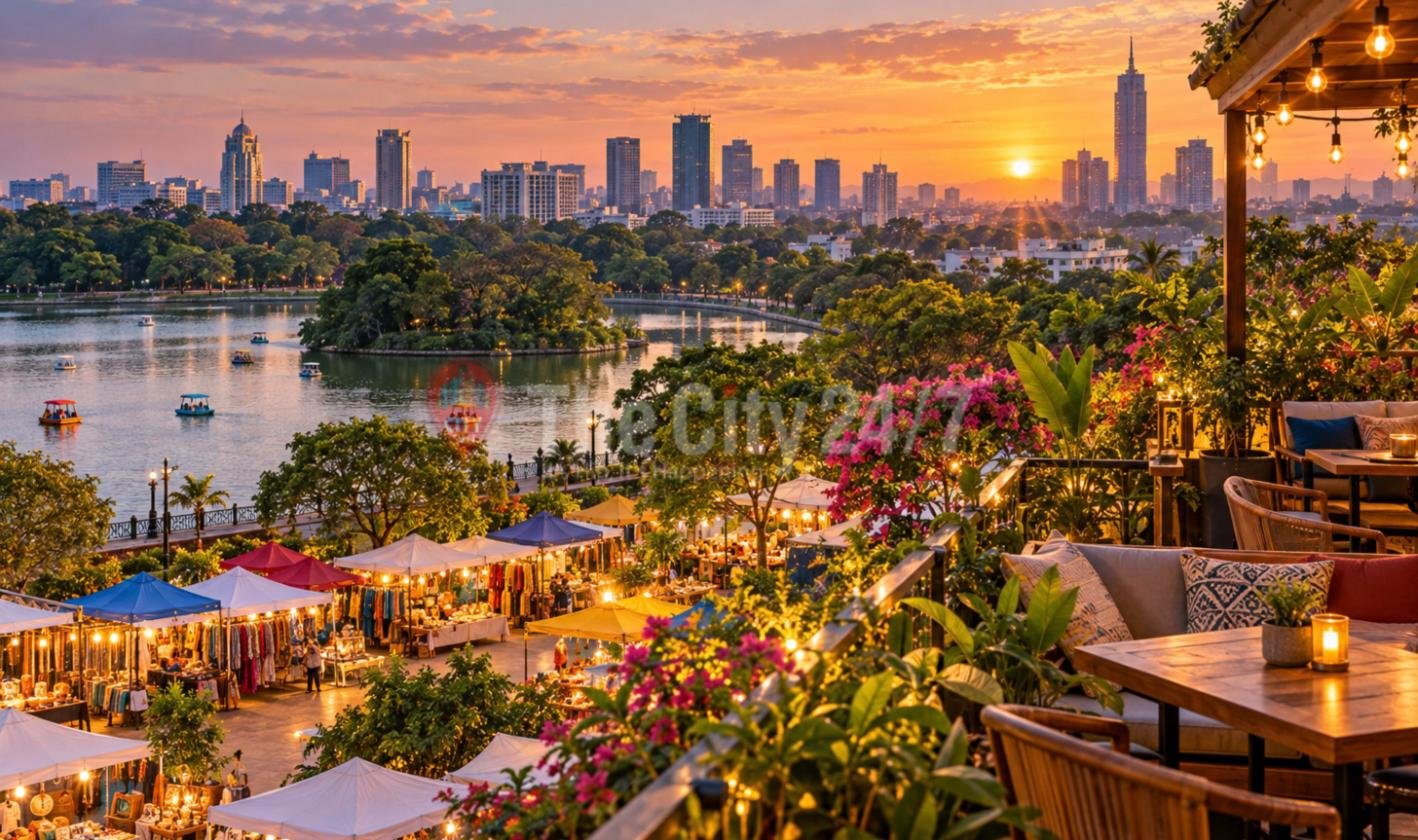 LIFESTYLE
How to Spend a Weekend in Bangalore Without Leaving the City
September 8, 2026
 LIFESTYLE
The Bangalore Bucket List: 50 Experiences Everyone Should Have
September 13, 2026
 LIFESTYLE
The Best Walking Trails in Bangalore, With Distances and Start Times
September 11, 2026
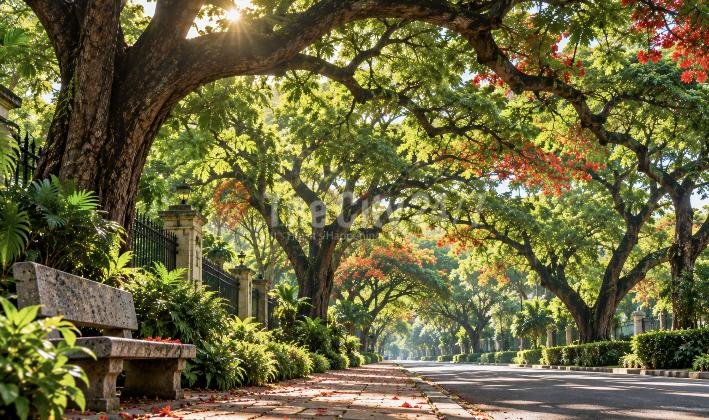 LIFESTYLE
The Greenest Places in Bangalore: Where the Canopy Actually Survives
September 11, 2026
 LIFESTYLE
A Guide to Bangalore's Lakes: The Water System That Built the City
September 11, 2026
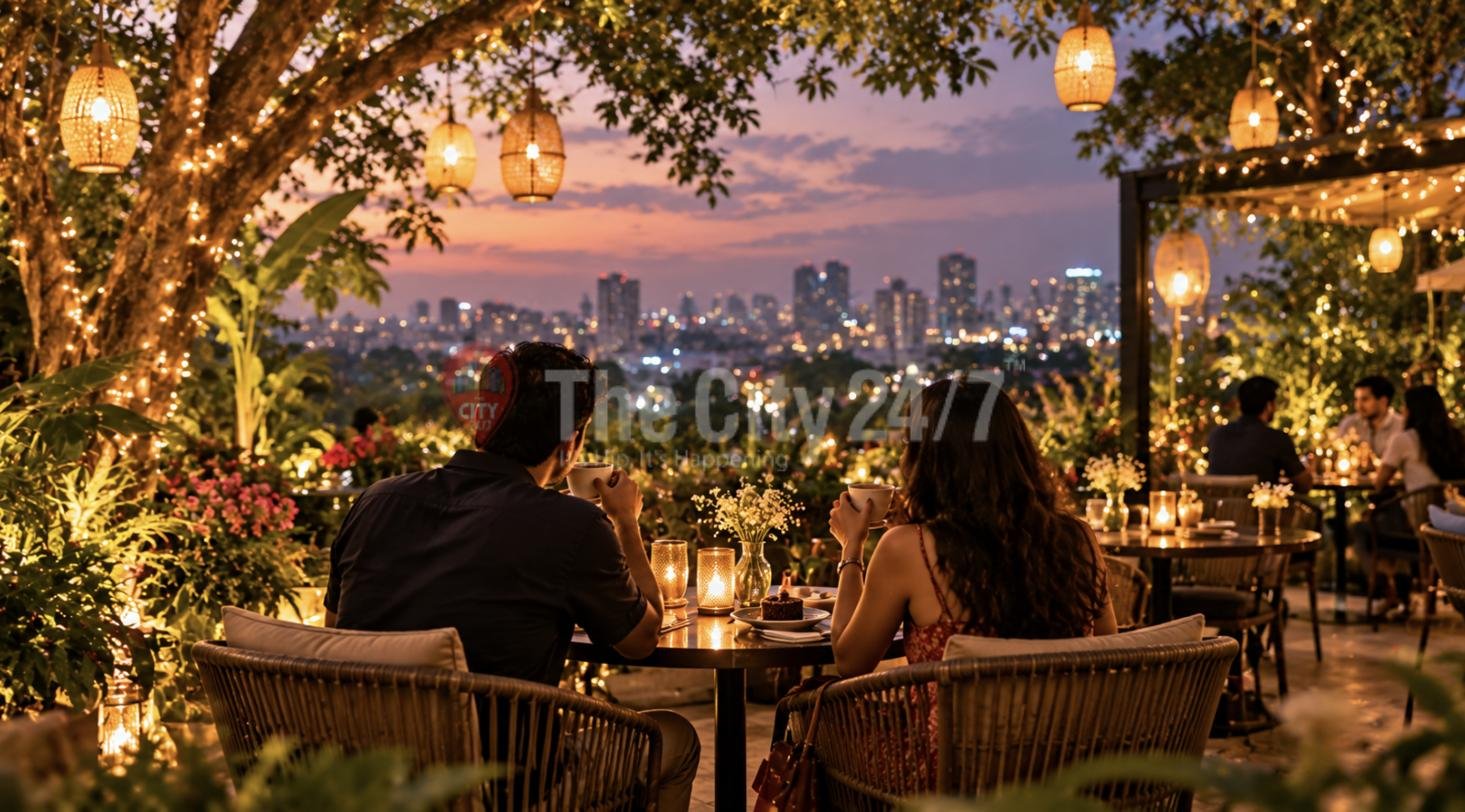 LIFESTYLE
The Best Places in Bangalore for Couples, Planned as Actual Dates
September 9, 2026
