


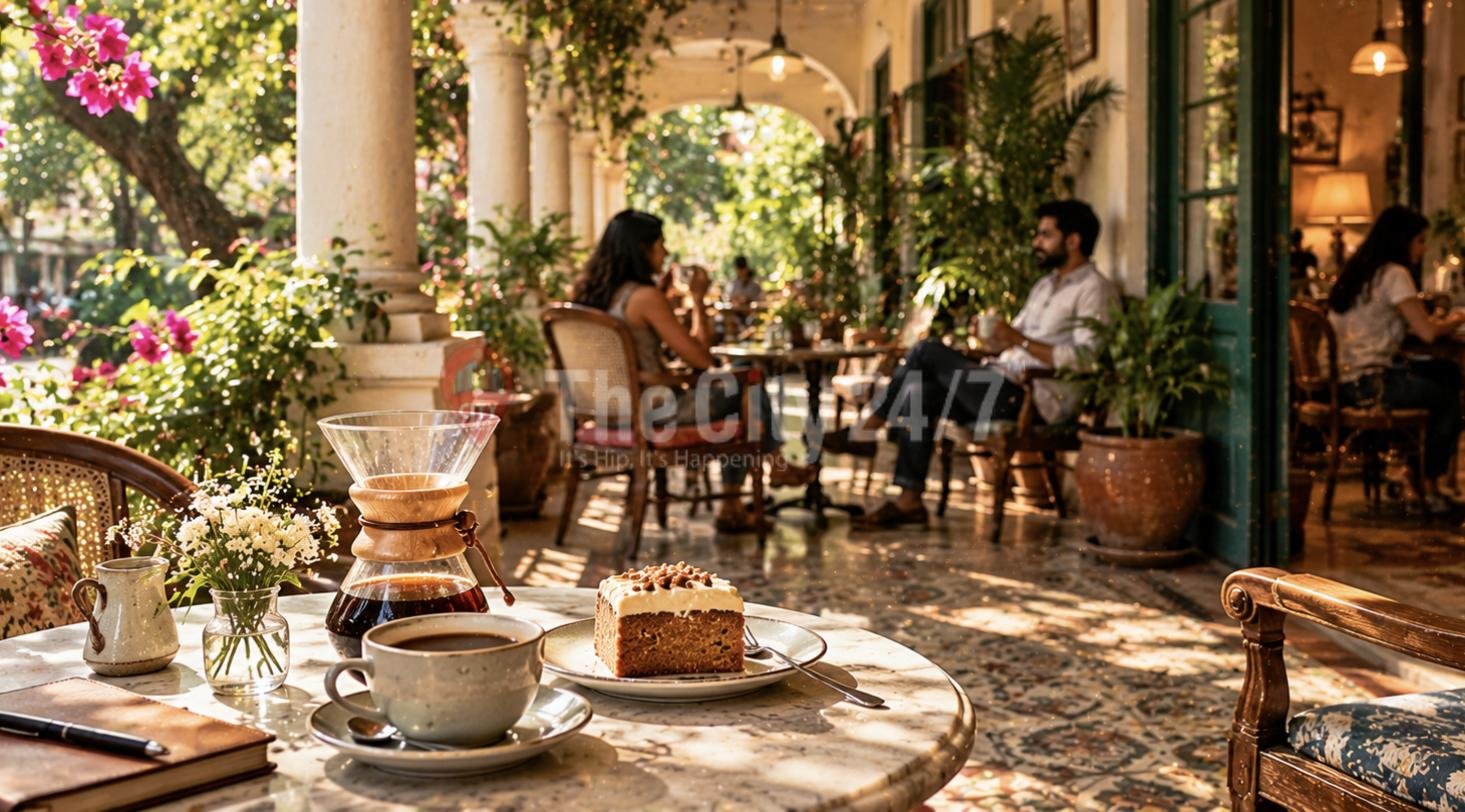
“There are two coffees in this city: one costs twenty rupees and is perfect, the other costs three hundred and is also, occasionally, perfect.”
• On Bangalore's split personality
Bangalore has two coffee cultures running in parallel, and understanding the difference is the whole game. There is filter coffee, served in a steel tumbler at a darshini for twenty or thirty rupees, and there is the third wave scene of single-origin espresso and pour-over, mostly in Indiranagar, Koramangala and the central belt.
Both are excellent, and neither is a substitute for the other. This city sits a few hours from Karnataka's coffee-growing districts, Chikmagalur and Coorg, which is the reason coffee here is not an imported affectation but a regional product.
This guide covers both cultures, which neighbourhoods to look in, where to work from, and what everything costs.
Quick Information
A cheerful table for the reader who has already opened three tabs looking for a table with a plug socket.
What Is the Difference Between Filter Coffee and Specialty Coffee Here?
Method, price and setting, and they serve entirely different purposes. Filter coffee is a decoction slow-dripped through a two-chamber steel filter, mixed with boiled milk and sugar, served in a tumbler and davara, drunk standing up in under three minutes.
Specialty coffee is the global third wave: single-origin beans, espresso machines and pour-over methods, tasting notes on the menu, and a chair you can sit in for two hours. It costs roughly ten times as much and is a different experience entirely rather than a better one.
- Filter coffee. Rs 15 to Rs 40. Every darshini in the city. Best in the morning, and the correct partner to a dosa.
- Espresso drinks. Rs 200 to Rs 350 at specialty cafes. Quality in Bangalore is genuinely high.
- Pour-over and filter brews. Rs 250 to Rs 400. Where the single-origin beans actually show themselves.
- Cold brew. Widely available and well made. Useful in April and May.
- Local roasters. Several Bangalore roasters work directly with Chikmagalur and Coorg estates, and bags are widely sold in cafes.
Which Neighbourhoods Have the Best Cafes?
Indiranagar and Koramangala for the specialty scene, Basavanagudi and Malleshwaram for traditional coffee, Church Street for both. Bangalore's cafe density is highest in the central and southeast belt, and it thins quickly beyond it.
- Indiranagar. The highest concentration of independent specialty cafes in the city, most of them walkable from each other.
- Koramangala. Startup-adjacent, laptop-friendly, and generally the best value on food alongside the coffee.
- Church Street and the central belt. A mix of decades-old cafes and newer specialty spots, and the best coffee walk in the city.
- Jayanagar and JP Nagar. A quieter, more residential scene and considerably easier to get a table in.
- Whitefield and Sarjapur Road. Larger cafes serving the tech corridor, with better parking and more space to work.
- Basavanagudi and Malleshwaram. For filter coffee at establishments that have been pouring it for decades.
Where Can I Work From a Cafe in Bangalore?
Independent cafes in Indiranagar, Koramangala and HSR Layout, on a weekday, before the lunch rush. Bangalore is one of the easiest cities in India to work from a cafe, largely because so much of its economy already does.
- Go on a weekday morning. Tables are free, wifi is fast and nobody is waiting for your seat.
- Ask about plug sockets first. This is the single question that determines whether a cafe works for you. Ask before you order.
- Order regularly. Roughly one thing every ninety minutes is the unwritten rule. Cafes here are generous; do not test it.
- Avoid the lunch rush. Between 1 and 2.30 PM, a laptop at a four-seat table is genuinely antisocial.
- Carry a hotspot. Cafe wifi is usually good, but backup makes a bad afternoon into a fine one.
- Look for the working cafes. Several places in Koramangala and HSR are explicitly set up for it, with long tables and sockets throughout.
If a cafe is full and you have been at a table for four hours on one filter coffee, you are the reason cafes start putting up time limits. Order again or move on.
Where Does Bangalore's Coffee Actually Come From?
Chikmagalur and Coorg, both within a few hours' drive. Karnataka produces the large majority of India's coffee, and the estates in these two districts are the source of most of what is roasted and served in Bengaluru.
That proximity is why the specialty scene here has developed the way it has. Roasters can work directly with estates, single-origin lots are genuinely local rather than imported, and a weekend trip to a coffee estate is a normal Bangalore thing to do.
“Most cities import their coffee culture. This one grows it three hours up the road.”
• Why the scene here feels different
What Should I Order at a Specialty Cafe?
A pour-over of a single-origin Indian coffee, at least once. It is the clearest way to taste what the estates a few hours away actually produce, and most Bangalore cafes do it well.
- Pour-over or V60. The house single-origin. Ask what is on and what it tastes like.
- Flat white or cortado. The best test of a cafe's espresso and milk technique.
- Cold brew. Reliable, strong and the right answer between March and May.
- Filter coffee, specialty style. Several cafes now serve traditional filter coffee made with specialty beans. Genuinely worth trying.
- A bag of beans. Local roasters sell retail in almost every specialty cafe. This is the best souvenir the city offers.
Best Cafes in Bangalore: Frequently Asked Questions
What is Bangalore's coffee culture like?
There are two: traditional South Indian filter coffee served at darshinis for Rs 15 to Rs 40, and a specialty third wave scene of single-origin espresso and pour-over at Rs 200 to Rs 400.
Where does Bangalore's coffee come from?
Mostly from Chikmagalur and Coorg in Karnataka, both a few hours from the city. Karnataka produces the large majority of India's coffee.
Which area has the best cafes in Bangalore?
Indiranagar and Koramangala for specialty cafes, Church Street for a mix of old and new, and Basavanagudi and Malleshwaram for traditional filter coffee.
Can I work from cafes in Bangalore?
Yes, and it is one of the easiest Indian cities to do it in. Go on weekday mornings, ask about plug sockets before ordering, and order something every ninety minutes or so.
How much does coffee cost in Bangalore?
Filter coffee is Rs 15 to Rs 40 at a darshini. Specialty espresso drinks run Rs 200 to Rs 350 and pour-overs Rs 250 to Rs 400.
What is filter coffee?
A decoction slow-dripped through a two-chamber steel filter, mixed with boiled milk and sugar, and served in a steel tumbler sitting in a wide bowl called a davara.
What should I order at a specialty cafe in Bangalore?
A pour-over of a single-origin Indian coffee, which is the clearest way to taste what the nearby estates produce, or a flat white to judge the espresso.
Do Bangalore cafes have good wifi?
Most independent cafes do. Carry a phone hotspot as backup if you are relying on it for work.
What are the busiest cafe hours?
Roughly 11 AM to 5 PM on weekdays and from noon at weekends. Mornings are the best time to get a table.
Can I buy coffee beans in Bangalore?
Yes. Most specialty cafes sell retail bags from local roasters working directly with Chikmagalur and Coorg estates.
Contact Details and Useful Links
Useful when hunting for a table or a bag of beans.
Found a Cafe Worth Knowing About?
Especially one with plug sockets and a table you can sit at for three hours. Click the WhatsApp icon at the bottom right of your screen and tell me where. That is also the easiest way to reach The City 24/7 about anything at all.
And if you want the city's openings, closings and genuinely good meals landing in your inbox each week, join our ever growing community. Free, ten seconds, and a lot more reliable than the algorithm.
Same city, new stories, always.

Related Stories
 DINING
The Best Bakeries in Bangalore: Iyengar, Cantonment and the New Sourdough
September 11, 2026
 DINING
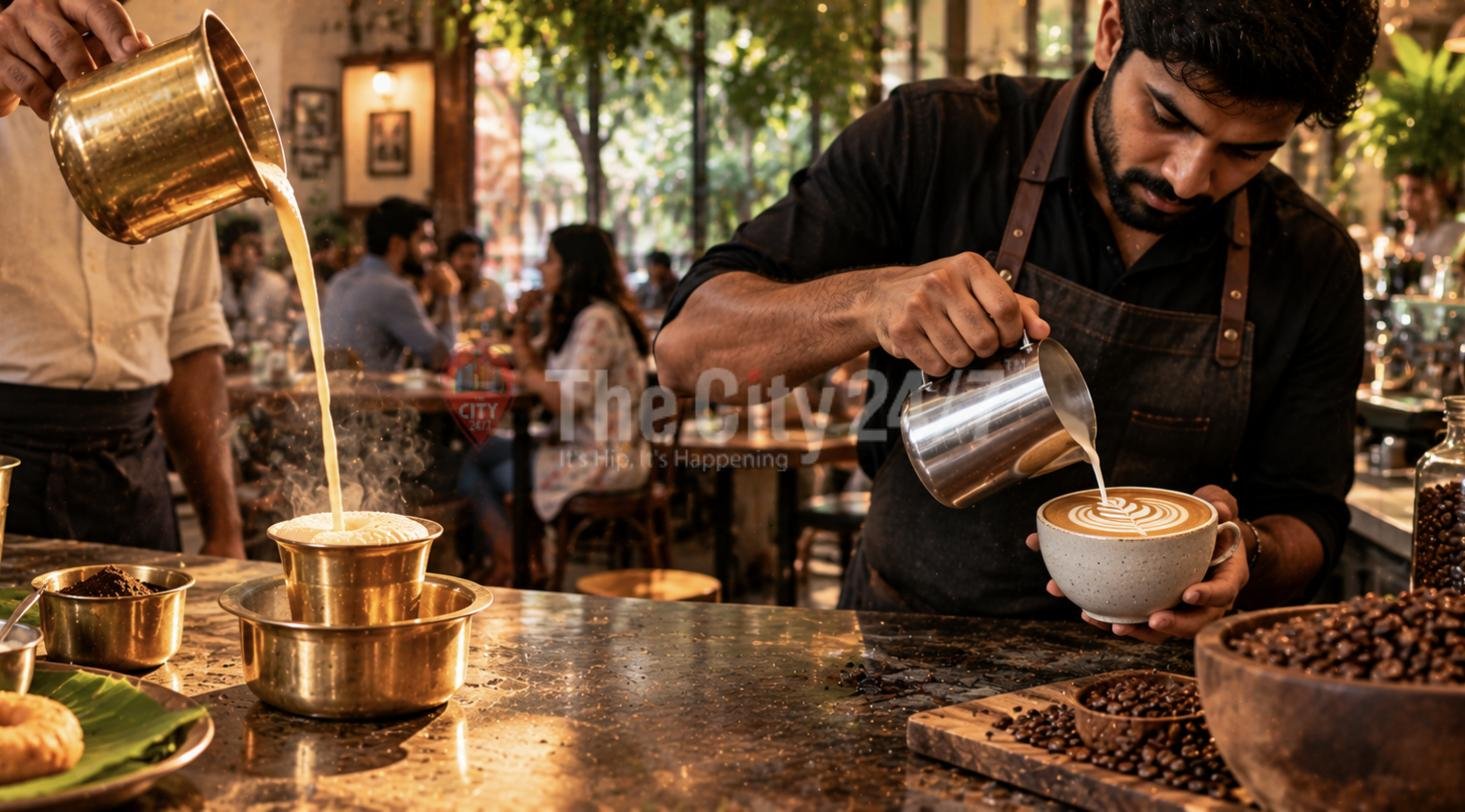
The Best Coffee in Bangalore: Filter Coffee, Specialty Roasters and Everything Between
September 11, 2026
 DINING
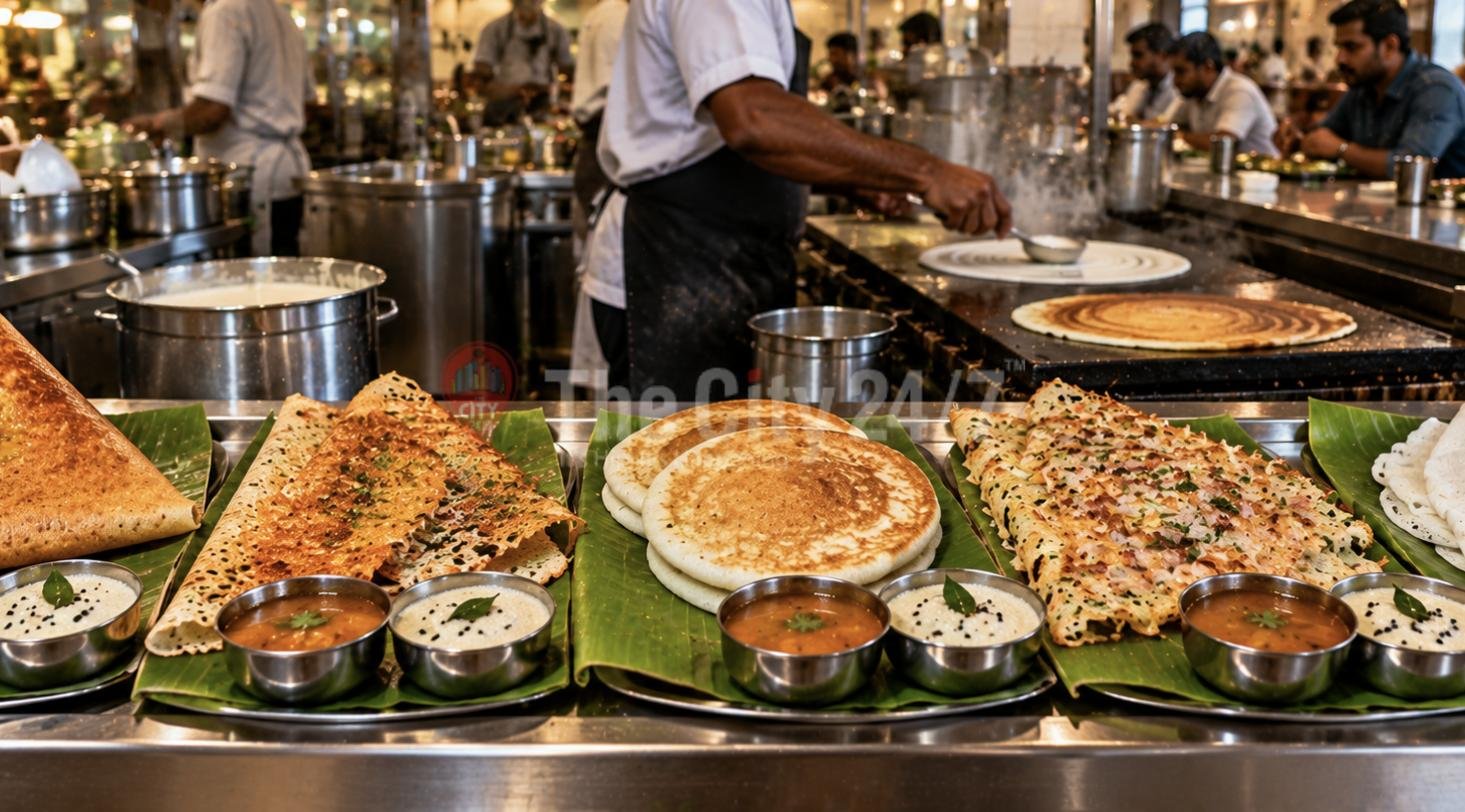
The Best Dosas in Bangalore: Every Type, and How to Judge a Good One
September 11, 2026
 DINING
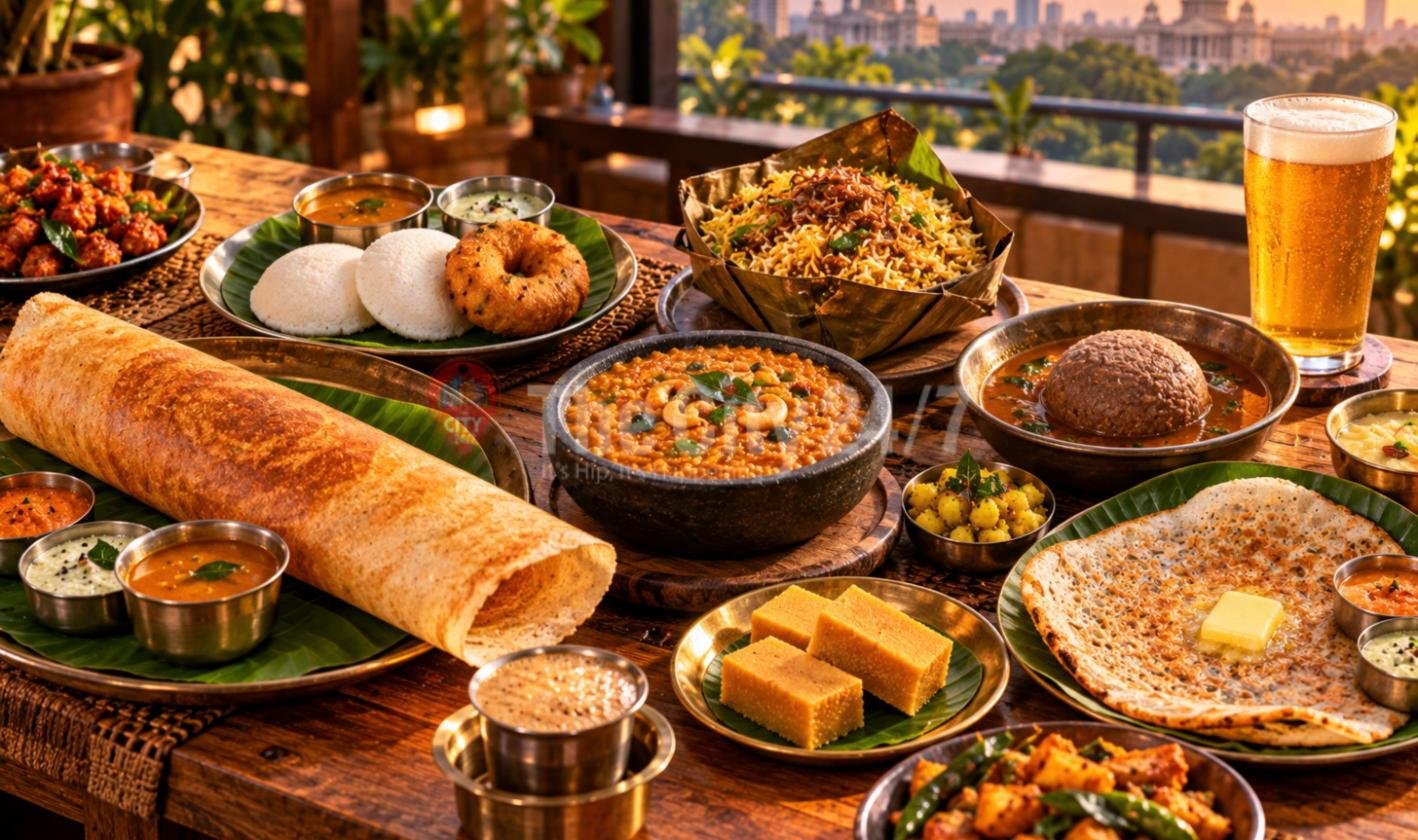
The Ultimate Bangalore Food Guide: What to Eat, Where, and When
September 9, 2026
 DINING
The Best Biryani in Bangalore: Five Styles, One City, Endless Arguments
September 8, 2026
 DINING
The Best Breakfast in Bangalore: A Complete Guide to the City's Finest Meal
September 8, 2026
