



“Long before anybody in this city said the word sourdough, Bengaluru had two baking traditions of its own, and both of them still sell out by seven in the evening.”
• On what the city was already good at
Bengaluru's baking history is genuinely unusual for an Indian city, and it comes from the same source as most interesting things here: the Cantonment. A British garrison from 1809 needed bread, cakes and biscuits, and the bakeries that grew to supply it developed into their own tradition, producing puffs, patties, honey cake, plum cake and a style of confectionery that exists nowhere else in quite the same form.
Alongside it sits the Iyengar bakery, a distinctly South Indian institution: small neighbourhood bakeries, historically run by Iyengar families, producing masala buns, dilkush, honey cake, khara biscuits and bread, and functioning as a tea time social fixture in every older residential street.
And in the last decade a third tradition has arrived: artisan bakers doing naturally leavened sourdough, viennoiserie and European style patisserie, concentrated in the newer neighbourhoods and priced accordingly. All three are worth your time, and I have set out what to order at each.
Quick Information
Masala bun, plum cake or sourdough: three traditions, three price brackets. The cheapest one is not the least interesting.
What Is an Iyengar Bakery?
A small neighbourhood bakery, historically run by Iyengar families from Karnataka and Tamil Nadu, producing a specific repertoire of buns, cakes and biscuits at very low prices. It is one of South India's genuine institutions.
The format is consistent across the city: a glass fronted counter, trays of buns and biscuits, bread, and a queue at four in the afternoon when the second batch emerges. The repertoire is equally consistent and completely distinctive: honey cake, a syrup soaked sponge with a jam layer and coconut topping; dilkush, a sweet bun filled with coconut and tutti frutti; masala buns, savoury and spiced; congress buns; khara biscuits; and plain white bread that is better than it has any right to be.
Prices run fifteen to eighty rupees an item, which makes this among the best cheap eating in Bengaluru. You will find them in every older residential area, with Basavanagudi, Malleshwaram, Jayanagar and Rajajinagar particularly well served. Go at four in the afternoon, buy a honey cake and a masala bun, and understand why three generations of a neighbourhood use the same counter.
What Are the Cantonment Bakeries Known For?
Puffs, patties, plum cake, rolls and a British influenced confectionery tradition dating from the garrison era. Frazer Town, Shivajinagar and Richmond Town are the heartland.
- Veg and mutton puffs. Flaky pastry with a spiced filling, eaten warm, costing twenty to eighty rupees. The single most reliable thing in a Cantonment bakery and the reason people queue.
- Patties and rolls. The savoury backbone, with chicken and mutton versions, and the bakeries near Mosque Road do these particularly well in the evening.
- Plum cake at Christmas. A genuine Bengaluru season. Cantonment bakeries take orders weeks in advance, and the good ones sell out. Worth planning for if you are here in December.
- Dilpasand. The Cantonment's cousin of dilkush, a sweet bun filled with coconut and dried fruit. Different enough from the Iyengar version to be worth trying both.
- Brun and pav. Hard crusted rolls and soft pav, both part of the garrison era bread tradition and both excellent with butter or with a curry.
- Old fashioned cakes and biscuits. Fruit cake, macaroons, nankhatai, and biscuit tins that look unchanged since the 1950s. This is where the tradition shows itself most clearly.
- Visit during Ramzan. The Cantonment bakeries and sweet shops extend hours dramatically and the whole area around Mosque Road becomes a food event after sunset.
“A veg puff from a Cantonment bakery, eaten warm on the pavement, costs thirty rupees and is one of the great pleasures of this city.”
• Not an exaggeration
Is the Artisan Bakery Scene Any Good?
Yes, and it has grown quickly. Naturally leavened sourdough, proper croissants and European style patisserie are all available at a serious standard in the newer neighbourhoods, at a hundred and fifty to six hundred rupees an item.
The scene is concentrated in Indiranagar, Koramangala, HSR, Jayanagar, Whitefield and Sadashivanagar, and it is driven by the same demand that improved the city's coffee and Italian food: a large population who have lived abroad and know what these things should taste like. Several bakers here are doing genuinely good work with long fermentation, local flours and proper lamination.
Two things to order to judge a bakery: a plain sourdough loaf, at roughly two hundred and fifty to five hundred rupees, where the crust, crumb and sourness tell you everything; and a plain croissant, where lamination either happened properly or did not. Both are unforgiving tests and neither can be disguised. If those are right, buy whatever else looks good.
When Should I Go to a Bakery Here?
Mid morning or around four to five in the afternoon at traditional bakeries, when fresh batches come out. Artisan bakeries bake in the morning and sell out of bread by early afternoon.
The four o'clock batch is the important one at Iyengar and Cantonment bakeries, and it is when the neighbourhood arrives. Puffs and buns straight from the oven are a substantially better product than the same item at eleven in the morning, and the people queueing at that hour know it. Evening is the social hour at these places, which is part of the appeal.
Artisan bakeries run the opposite way: bread comes out in the morning, the popular loaves go first, and by mid afternoon the shelves are thin. Order ahead if you want a specific loaf. And two seasonal notes worth planning around: December for Cantonment plum cake, which takes advance orders, and Ramzan for the Cantonment generally, when the whole area is at its best.
Bakeries in Bangalore: Frequently Asked Questions
What is an Iyengar bakery?
A small neighbourhood bakery, historically run by Iyengar families, producing a distinctive repertoire of honey cake, dilkush, masala buns, congress buns, khara biscuits and bread at roughly Rs 15 to 80 an item. They are found in every older residential area of the city.
What is Bangalore honey cake?
A local signature: a syrup soaked sponge with a jam layer and a coconut topping, sold at Iyengar bakeries across the city. It is sweet, distinctive and unlike anything served under the same name elsewhere.
Which area of Bangalore has the best bakeries?
Frazer Town and Shivajinagar in the Cantonment for puffs, patties, plum cake and the garrison era tradition, and Basavanagudi, Malleshwaram, Jayanagar and Rajajinagar for Iyengar bakeries. Indiranagar, Koramangala and HSR hold the artisan and sourdough bakers.
What should I order at a Cantonment bakery?
A veg or mutton puff eaten warm, patties and rolls, dilpasand, brun bread, and plum cake if you are here in December. The puff at Rs 20 to 80 is the most reliable thing in the building.
What time do bakeries in Bangalore bake fresh?
Traditional Iyengar and Cantonment bakeries have fresh batches mid morning and again around four to five in the afternoon, which is when neighbourhoods arrive. Artisan bakeries bake in the morning and popular loaves sell out by early afternoon.
Is there good sourdough in Bangalore?
Yes. Artisan bakers doing naturally leavened bread, proper croissants and European patisserie are established in Indiranagar, Koramangala, HSR, Jayanagar, Whitefield and Sadashivanagar, with a plain sourdough loaf running roughly Rs 250 to 500.
How do I judge an artisan bakery?
Order a plain sourdough loaf and a plain croissant. The loaf's crust, crumb and sourness and the croissant's lamination are unforgiving tests that cannot be disguised. If both are right, the rest of the counter will be too.
Where can I buy plum cake in Bangalore at Christmas?
The Cantonment bakeries in Frazer Town, Shivajinagar and Richmond Town, which take orders weeks in advance during December. The good ones sell out, so order early if you want a specific bakery's version.
What is dilkush?
A sweet bun filled with coconut, tutti frutti and dried fruit, sold at Iyengar bakeries. The Cantonment equivalent is called dilpasand, and the two versions differ enough to be worth trying both.
Why does Bangalore have such an old baking tradition?
Because of the Cantonment, the British military settlement established from 1809, which needed bread, cakes and biscuits. The bakeries that grew to supply it developed their own tradition of puffs, patties, plum cake and confectionery that survives in Frazer Town and Shivajinagar today.
Know a Bakery Worth Queuing At?
The best Iyengar and Cantonment bakeries are neighbourhood institutions known mainly to the streets they serve, which is exactly why they never appear on any list. If yours deserves attention, click the WhatsApp icon at the bottom right of your screen and tell me which street. That is also the fastest way to reach The City 24/7 about anything at all.
And if you want the city explained one useful thing at a time, join our ever growing community at thecity247.com/newsletter. One weekly email, free, and best read at four in the afternoon with a puff.
Same city, new stories, always.

Related Stories
 DINING
The Best Coffee in Bangalore: Filter Coffee, Specialty Roasters and Everything Between
July 25, 2026
 DINING
The Best Dosas in Bangalore: Every Type, and How to Judge a Good One
July 25, 2026
 DINING
The Ultimate Bangalore Food Guide: What to Eat, Where, and When
July 13, 2026
 DINING
The Best Biryani in Bangalore: Five Styles, One City, Endless Arguments
July 3, 2026
 DINING
The Best Breakfast in Bangalore: A Complete Guide to the City's Finest Meal
July 3, 2026
 DINING
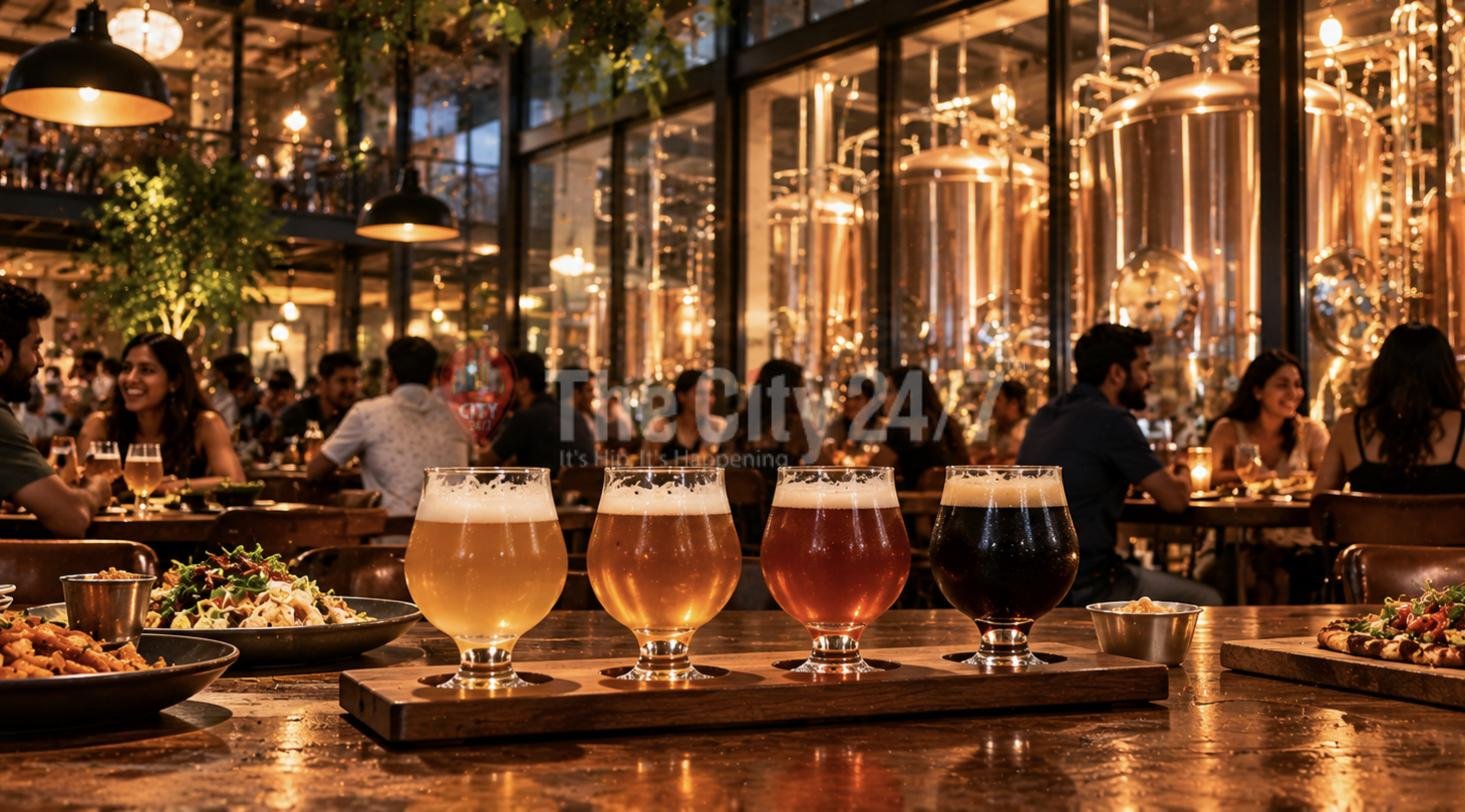
The Best Breweries in Bangalore: Why This City Owns India's Beer Scene
July 3, 2026
