


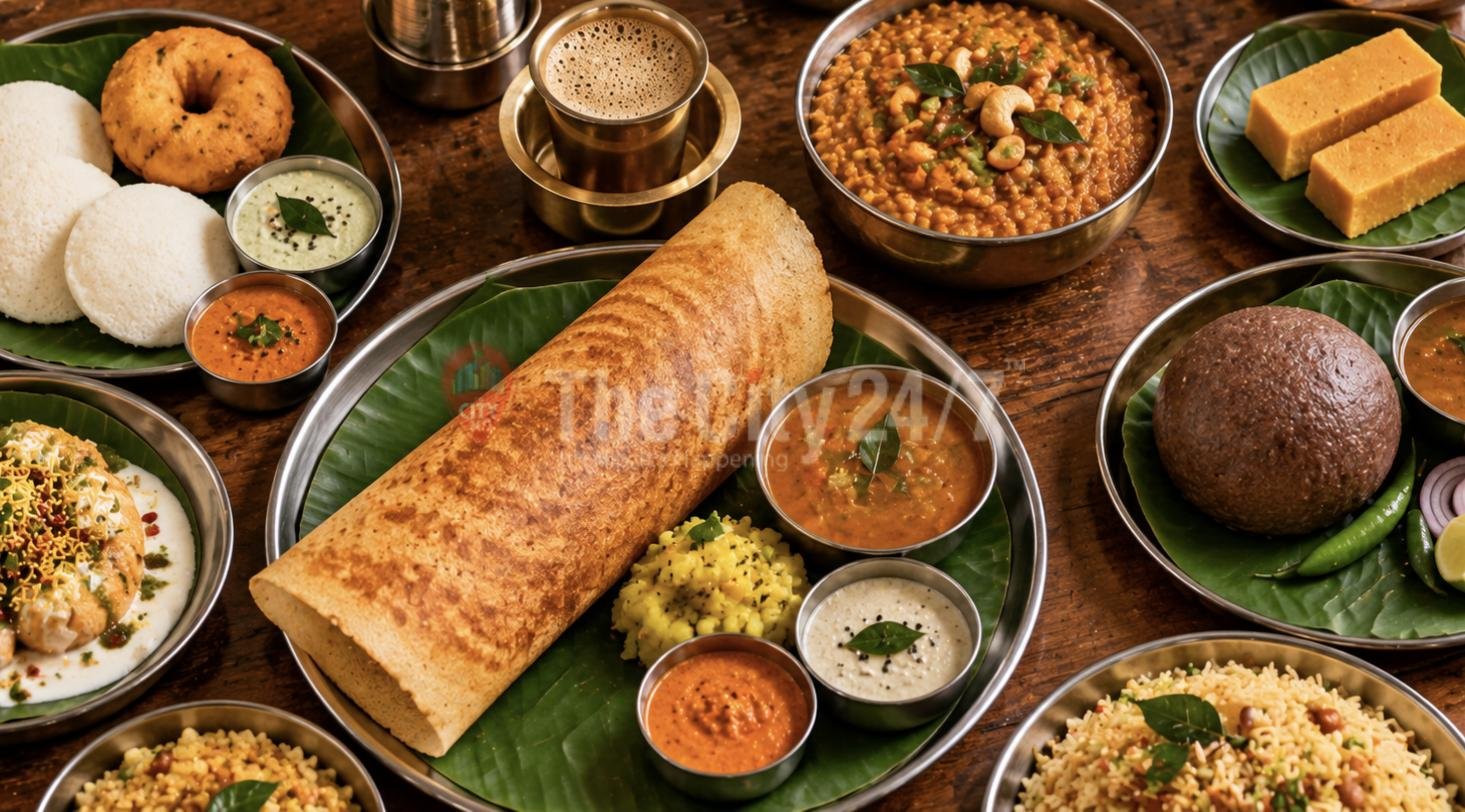
“Bengaluru's greatest food is served standing up, costs under a hundred rupees, and arrives in ninety seconds. Everything else here is optional.”
• On the darshini, the city's real contribution to eating
People arrive in Bengaluru and eat at restaurants, which is a reasonable mistake and means missing the point entirely. The food this city genuinely does better than anywhere else on earth is cheap, fast, vegetarian and eaten at a counter: dosas, idlis, vadas, rice baths and filter coffee, served in darshinis that open at six thirty in the morning and have no tables.
There is also a wider Karnataka repertoire that visitors rarely encounter: bisi bele bath, ragi mudde, jolada rotti, kosambari, the Mangalorean and Coorg dishes that arrived with migration from the coast and the hills, and the Muslim cooking of the Cantonment that produced this city's biryani and kebab culture.
This guide covers the dishes, what each one is, and the kind of establishment to eat it in. I am naming areas and types of place rather than specific restaurants, because the good ones are numerous, they change, and the skill worth teaching is recognising a good darshini rather than memorising a list. Our breakfast, dosa and biryani guides go deeper on those.
Quick Information
Twenty dishes, what they are and where to eat them. The prices are real and they are the best value in India.
What Is Bangalore's Most Famous Food?
The masala dosa, eaten at a darshini with filter coffee. A crisp fermented rice and lentil crepe with spiced potato inside, costing forty to a hundred and twenty rupees, and the single best thing this city does.
The dosa is not exclusively Bengaluru's, but this city has an unusually high floor: the average dosa at a random darshini in Jayanagar is better than a carefully sought out dosa in most Indian cities. The batter is fermented properly, the griddle is seasoned by decades of use, the potato palya is made that morning, and the chutney is ground rather than poured from a container.
Variations worth knowing: benne dosa, the Davangere style made with generous butter, softer and richer than the crisp version; set dosa, which comes in a soft stack of three; and paper roast, which is enormous and thin. Order a masala dosa and a filter coffee at a counter in Basavanagudi or Malleshwaram between seven and ten in the morning and you will understand the city better than any monument could explain it.
What Is a Darshini and Why Does It Matter?
A darshini is a stand up, self service, cash first vegetarian tiffin counter. You pay at a till, hand over a token, collect your plate and eat standing at a ledge. It is Bengaluru's defining food institution and the reason eating here is so good and so cheap.
The format emerged in the 1980s and it solved something real: fast, fresh, extremely cheap food for a working city, with no service overhead and total turnover. A full breakfast for two, dosa, idli, vada and two coffees, comes to under three hundred rupees and takes fifteen minutes. The food is made continuously rather than to order, which means it is fresh and it also means you should go when the traffic is highest.
- Go between 7 and 10.30 AM. Peak turnover, which means everything is coming off the griddle continuously. A darshini at 11.30 is serving what did not sell at ten.
- Or go for evening tiffin, 4 to 6.30 PM. The second service, quieter, and the same food freshly made. This is the local's slot.
- Pay first, then collect. Till at the entrance, take the token to the counter. UPI is accepted almost everywhere now, including at the smallest places.
- Judge by the crowd, not the decor. A busy counter with office workers, families and autorickshaw drivers is the only quality signal you need. Empty and clean is worse than busy and worn.
- Ask for extra chutney. Usually free, always better than the sambar, and the ground coconut chutney is the thing that distinguishes a great darshini from an adequate one.
- Drink the coffee there. Filter coffee in a steel tumbler and dabarah, fifteen to forty rupees. Do not take it away. The whole point is the temperature and the pouring.
“A full breakfast for two at a darshini costs less than a single coffee at a speciality cafe, and it is the better thing. That is not nostalgia, it is just true.”
• On Bengaluru's most reliable value
Which Karnataka Dishes Should I Try Beyond Dosa?
Bisi bele bath, ragi mudde, khara bath, akki rotti and jolada rotti. These are the dishes that make the food here specifically Karnataka rather than generically South Indian.
Bisi bele bath is the one to start with: rice, lentils and vegetables cooked together with a distinctive spice blend and ghee, served hot with a fried papad and boondi. It is the definitive Karnataka one pot dish and every darshini and Kannada restaurant makes a version of it. Khara bath, savoury semolina, and kesari bath, its sweet saffron counterpart, are ordered together as chow chow bath, which is one of the better ideas in Indian breakfast.
Ragi mudde is the one visitors almost never try and should: steamed finger millet balls, eaten by breaking off a piece and swallowing it with sambar or a meat curry, rural Karnataka's staple food and genuinely one of the most nutritious things you can eat. Akki rotti, a hand patted rice flour flatbread with onion and chilli worked in, and jolada rotti, north Karnataka's sorghum flatbread served with fiery curries and chutney powders, complete the picture. For all of these, look for a Kannada restaurant rather than a generic South Indian one.
What About Coastal, Coorg and Cantonment Food?
Mangalorean and Udupi food from the coast, Kodava cooking from Coorg, and the Muslim cooking of the Cantonment. All three arrived with migration and all three are now fully part of how this city eats.
- Mangalorean and coastal. Neer dosa, kori rotti, fish curries built on coconut and red chilli, and Mangalore buns. Seek out a dedicated coastal restaurant rather than a general one, because the spice profile is completely different.
- Udupi. The tradition that underpins much of this city's vegetarian cooking, having spread outward from the temple town. Most darshini food is Udupi lineage.
- Kodava, from Coorg. Pandi curry, the pork curry with kachampuli vinegar, kadambuttu rice dumplings and noolputtu. Distinctive, rich and available at Coorg specialist restaurants across the city.
- Donne biryani. Bengaluru's own biryani, shorter grained, greener with coriander and mint, served in a donne, a bowl made of dried leaves. Entirely distinct from Hyderabadi and worth understanding as its own thing.
- Cantonment kebabs and rolls. Frazer Town, Mosque Road and Shivajinagar, where the Muslim cooking of the old garrison city concentrated. Best in the evening, and extraordinary during Ramzan.
- Military hotels. An old Bengaluru institution: small, no frills, non vegetarian Kannada restaurants serving mutton, liver fry, ragi mudde and rice. Genuinely local and increasingly rare.
- Andhra and Tamil food. Both well represented thanks to a century of migration, with Andhra meals and Chettinad cooking widely available and considerably spicier than Karnataka food.
Where Should I Go to Eat Local Food?
Basavanagudi and Gandhi Bazaar in the morning, Malleshwaram 8th Cross, Jayanagar 4th Block, and the Cantonment around Frazer Town and Shivajinagar for meat.
Basavanagudi is the best single destination. Gandhi Bazaar and DVG Road hold darshinis, sweet shops three generations old, coffee, and the flower and fruit market, all within a few hundred metres of the Bull Temple and Bugle Rock. Go at seven in the morning, eat at a counter, buy sweets by weight and walk it off in the old streets.
Malleshwaram does the same thing for north Bengaluru, centred on 8th Cross, with the Green Line dropping you in the middle of it. Jayanagar 4th Block has the sweet shops and the market. And the Cantonment is a different city again: Frazer Town and Shivajinagar for kebabs, rolls, bakeries and biryani, best in the evening. Our neighbourhood eating guides cover Indiranagar, Koramangala, Jayanagar and Whitefield in detail.
What Should I Know Before Eating Here?
- Vegetarian is the default, not a restriction. Most of the great food in this city is vegetarian by tradition, and a pure vegetarian restaurant here is a mark of confidence rather than limitation.
- Sweet is normal in savoury food. Karnataka cooking uses jaggery in sambar and vegetable dishes. If it tastes slightly sweet, that is correct rather than a mistake.
- Eat with your hand where appropriate. Ragi mudde, rice meals and rotti are hand food. Right hand only, and nobody will mind if you are clumsy about it.
- Say no to the extra sambar if you want. Servers top up plates continuously at meals restaurants. A small hand gesture over the plate stops it, and that is the accepted signal.
- Order a meals for lunch. The unlimited thali, rice, sambar, rasam, vegetables, curd and a sweet, for roughly a hundred to two hundred and fifty rupees. The best value lunch in India.
- Buy sweets fresh by weight. Mysore pak, obbattu and dharwad pedha from a sweet shop counter, made that day. Boxed versions are a different and worse product.
- Carry small cash, use UPI. UPI is accepted almost universally now, including at handcarts, but cash remains useful at the smallest counters.
- Watch out for Ramzan and festival timings. Cantonment food streets transform during Ramzan evenings, and sweet shops are extraordinary and impassable around Deepavali and Ugadi.
Bangalore's Local Food: Frequently Asked Questions
What food is Bangalore famous for?
The masala dosa eaten at a darshini with filter coffee, along with idli, vada, rava idli, bisi bele bath and khara bath. The city is also known for donne biryani, its own leaf bowl biryani, and for the Cantonment's kebabs and rolls.
What is a darshini?
A stand up, self service, cash first vegetarian tiffin counter where you pay at a till, take a token, collect your plate and eat standing at a ledge. The format emerged in the 1980s and provides a full breakfast for two for under 300 rupees in about fifteen minutes.
What is bisi bele bath?
The definitive Karnataka one pot dish: rice, lentils and vegetables cooked together with a distinctive spice blend and ghee, served hot with papad and boondi. Every darshini and Kannada restaurant in the city makes a version.
What is ragi mudde?
Steamed finger millet balls, eaten by breaking off a piece and swallowing it with sambar or a meat curry. It is rural Karnataka's staple food, genuinely one of the most nutritious things on any menu here, and almost never tried by visitors.
What is donne biryani and how is it different?
Bengaluru's own biryani, shorter grained and greener with coriander and mint, served in a donne, a bowl made of dried leaves. It is entirely distinct from Hyderabadi biryani in spice profile, rice and method.
Where should I eat local food in Bangalore?
Basavanagudi and Gandhi Bazaar in the morning for darshinis and sweet shops, Malleshwaram 8th Cross for the same in north Bengaluru, Jayanagar 4th Block, and Frazer Town and Shivajinagar in the Cantonment for kebabs, rolls and biryani in the evening.
What time should I go to a darshini?
Between seven and half past ten in the morning for peak breakfast, when food is coming off the griddle continuously, or between four and half past six in the evening for tiffin. A darshini late in the morning is serving what did not sell earlier.
Is Bangalore food vegetarian?
Much of the traditional food is, by tradition rather than restriction, and the city's best cheap eating is overwhelmingly vegetarian. There is also a strong non vegetarian tradition in the Cantonment's Muslim cooking, in Kodava food from Coorg, in coastal fish curries and in the old military hotels.
What is a meals in Bangalore?
An unlimited thali served at lunch, typically rice, sambar, rasam, two or three vegetables, curd, papad and a sweet, for roughly Rs 100 to 250. It is the best value lunch in India, and a small hand gesture over your plate stops servers topping it up.
Why does Karnataka food taste slightly sweet?
Because jaggery is used in sambar and many vegetable dishes as part of the tradition, particularly in the Udupi lineage that underpins most of this city's vegetarian cooking. It is correct rather than an error, and it distinguishes Karnataka cooking from Andhra and Tamil food.
What sweets should I buy in Bangalore?
Mysore pak, made of ghee, gram flour and sugar, obbattu or holige, a sweet stuffed flatbread, and dharwad pedha. Buy them fresh by weight from a sweet shop counter in Basavanagudi, Malleshwaram or Jayanagar rather than boxed.
Know a Counter Worth Queuing At?
The best darshinis and military hotels in this city are known by the streets they feed and by nobody else, and readers have sent me several of my favourites. If you have one, or if I have got a dish description wrong, click the WhatsApp icon at the bottom right of your screen and tell me. Food corrections from people who grew up eating this way are the most useful messages I get. That is also the fastest way to reach The City 24/7 about anything at all.
And if you want the city explained one useful thing at a time, join our ever growing community. One weekly email, free, and frequently about breakfast.
Same city, new stories, always.

Related Stories
 DINING
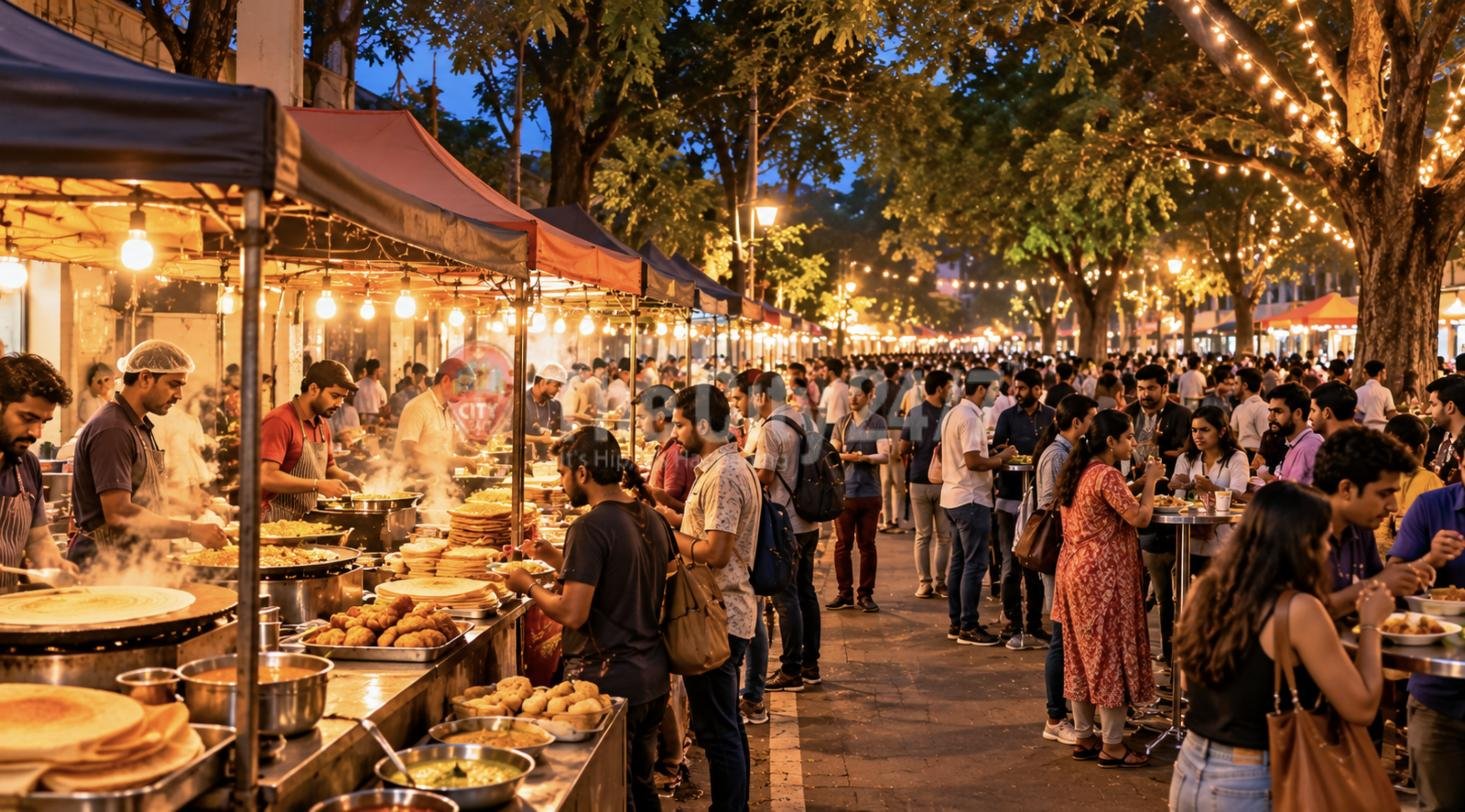
Bangalore's Food Neighbourhoods: What Each One Does Better Than the Rest
September 11, 2026
 DINING
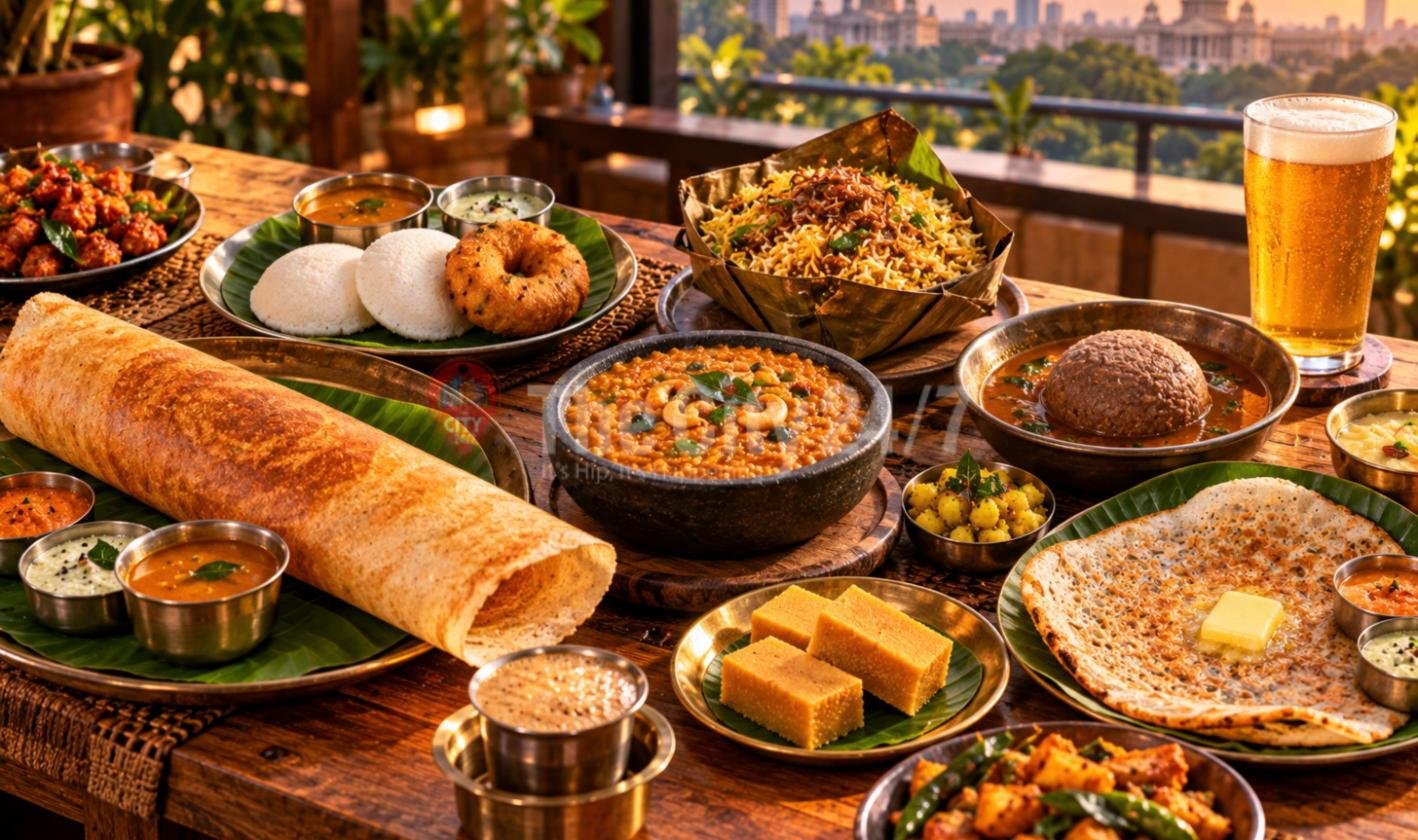
The Ultimate Bangalore Food Guide: What to Eat, Where, and When
September 9, 2026
 DINING
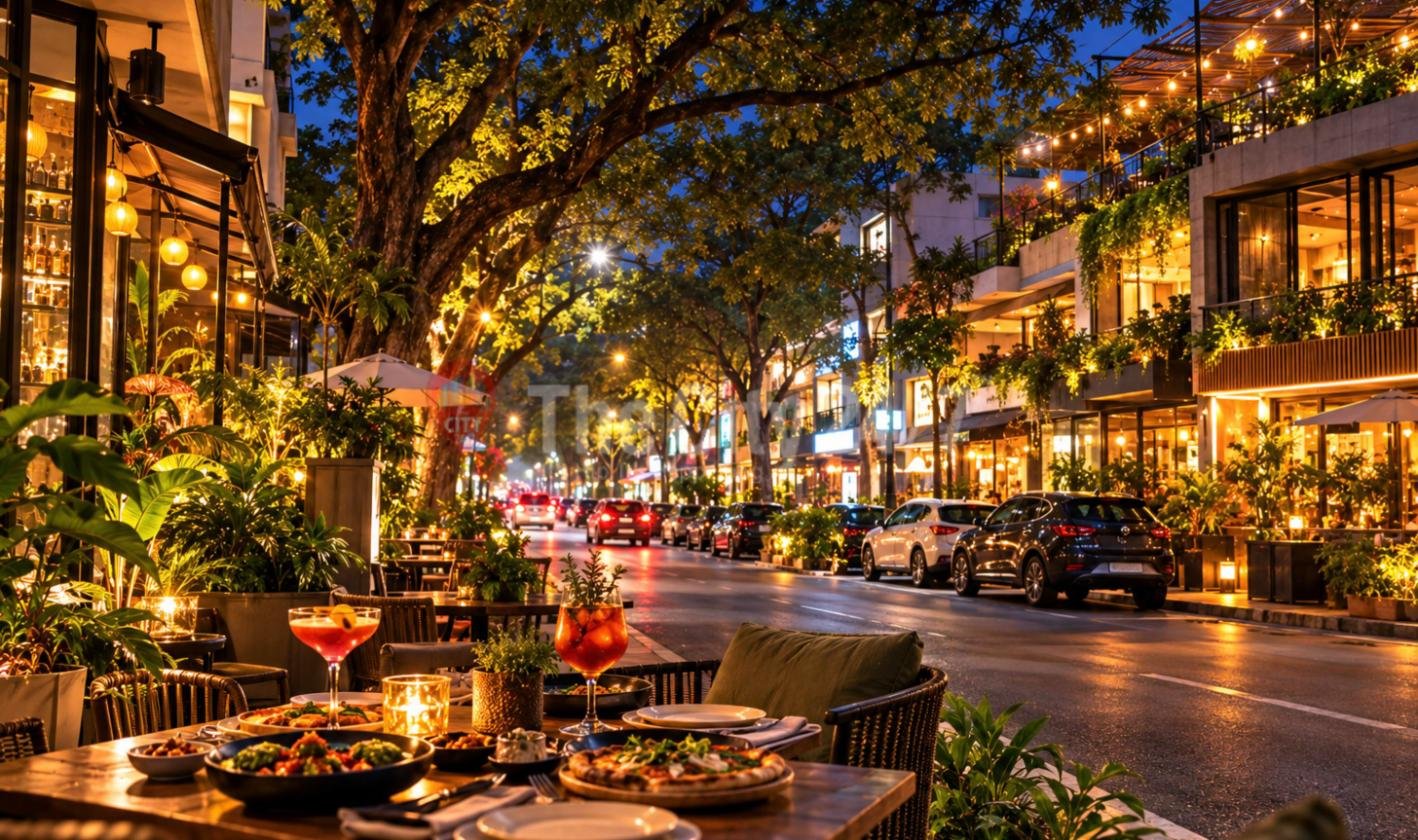
Where to Eat and Drink in Indiranagar: A Street by Street Guide
September 9, 2026
 DINING
Where to Eat and Drink in Koramangala: A Block by Block Guide
September 9, 2026
 DINING
Where to Eat and Drink in Whitefield: The Guide for People Who Live Out East
September 9, 2026
 DINING
Where to Eat in Jayanagar: Old Bengaluru's Best Fed Neighbourhood
September 9, 2026
