



“Most cities decorate their gods with flowers. Basavanagudi covers this one in a hundred kilos of butter and then gives it back to you as prasada. I have never found a better argument for south Bengaluru.”
• On the only alankara in the city that people plan their year around
Shree Dodda Ganapathi Temple sits on Bull Temple Road in Basavanagudi, south Bengaluru, a few steps below the Bull Temple, and holds a single monolithic Ganesha carved from the rock, roughly 18 feet tall and 16 feet wide. Entry is free, darshan runs in morning and evening windows every day, and the reason people come from across the city is the Benne Alankara, the butter decoration, when the entire idol is coated in butter that is later distributed as prasada.
Dodda means big in Kannada, which is the least imaginative and most accurate name possible. The temple belongs to the same sixteenth century Kempegowda era landscape as the Bull Temple next door, on the same granite outcrop that gave Basavanagudi its temples and its name.
Here is my one complaint about how tourists do this street. They climb to the Bull Temple, photograph the Nandi, come down and get into the cab. Dodda Ganapathi is forty steps away, takes ten minutes and is the more startling of the two sculptures. Do both or do not come.
This guide covers the timings, the butter alankara, the Kadalekai Parishe groundnut fair in November, the Bull Temple pairing, how to get there, and where to eat in Gandhi Bazaar afterwards.
Quick Information
One rock, one very large Ganesha, and an annual butter bill. The essentials.
Where Is Dodda Ganapathi Temple and What Is Inside?
It is on Bull Temple Road in Basavanagudi, on the slope just below the Bull Temple, and inside is one thing: an enormous Ganesha carved out of the living rock, filling most of the sanctum. No secondary shrines competing for attention, no long circuit to walk. One god, one room, and a scale that catches people off guard because the entrance gives nothing away.
The idol is monolithic, which is the detail that matters. It was not assembled or installed. It was cut from the granite that the whole neighbourhood sits on, the same outcrop that carries Bugle Rock and the Bull Temple, and which the Kempegowda dynasty built this quarter of the city around in the sixteenth century.
You will also hear it called Sakshi Ganapathi or Satya Ganapathi, the witness, because of the old local practice of settling disputes and swearing truth before this idol. That is a quietly wonderful piece of civic history: south Bengaluru's original notary public was an elephant headed god carved into a hill.
What Are the Timings?
Morning and evening darshan windows every day, with the usual midday closure. Mornings commonly open early, around 6 AM, and evenings run into the night. Published hours differ between sources and shift on festival days, so if you are timing a visit precisely, call or ask at the Bull Temple office next door.
The practical version: go between 7 AM and 9 AM. The street is cool, the queue is short, both temples are open, and Gandhi Bazaar's breakfast places are at their best when you come down. Evening works too, and looks better in photographs, but you will share it with the neighbourhood's entire walking population.
What Is the Butter Alankara, and Can You See It?
The Benne Alankara is the temple's signature. The monolithic Ganesha is coated in butter, by hand, in a quantity that is usually reported at around a hundred kilos, and left dressed in it for a period before it is removed and distributed to devotees as prasada. Photographs of it look unreal, and standing in front of it is stranger still.
Whether you can see it depends on the calendar, because it is performed periodically rather than daily, most prominently around Ganesha Chaturthi and on specially sponsored occasions. There is no reliable public listing. The honest method is to ask at the temple, or ask any Basavanagudi resident, because they will know.
If you get butter prasada, remember what it is: dairy, in a warm city. Eat it the same day or refrigerate it immediately. This is the one temple in Bengaluru where the prasada has a serious expiry conversation attached.
What Is the Kadalekai Parishe and Should You Plan Around It?
The Kadalekai Parishe is the groundnut fair held on Bull Temple Road in late November, when farmers from around the region bring the first groundnut harvest, the entire street becomes a market, and both this temple and the Bull Temple sit at the centre of it. It is one of the oldest continuous public events in Bengaluru.
Yes, plan around it, with eyes open. The street is impassable by car, the crowd is enormous, and the temples run huge queues. It is also the single best day of the year to see what Basavanagudi actually is, which is a farming era neighbourhood that the city grew around rather than over.
How to Do the Parishe
- Come by metro and auto. Driving to Bull Temple Road during the fair is not a plan, it is a punishment.
- Go late afternoon, not night. Lights on, crowd building but not yet at peak, and you can still move through the stalls.
- Eat the groundnuts. Boiled, roasted, spiced. Buy from whichever heap has the longest local queue.
- Expect a long temple queue. Or do darshan on a different day and treat the Parishe purely as a street fair.
- Carry cash and keep bags closed. Standard dense crowd sense. It is a friendly fair, but it is packed.
How Does It Compare to the Bull Temple Next Door?
They are two halves of one visit, and it is a mistake to rank them. The Bull Temple has the larger monolith, the famous Nandi, the hilltop position and the tourist footfall. Dodda Ganapathi has the more intimate room, the butter tradition and the stranger scale, because the idol nearly fills the space it sits in.
Do them in this order: Dodda Ganapathi first, then up to the Bull Temple, then five minutes across to Bugle Rock park for the granite and the watchtower. That is one hour, three of the oldest things in south Bengaluru, and no repetition.
How Do You Get There and Where Do You Park?
Take the metro to the nearest Green Line station in the South End or Jayanagar area and finish by auto, which takes minutes. Bull Temple Road has on street parking that is genuinely difficult in the evening and impossible during festivals. Basavanagudi was laid out before cars and has never pretended otherwise.
BMTC buses along Bull Temple Road and through Basavanagudi are frequent, and if you are anywhere in south Bengaluru an auto is the least stressful option by a wide margin.
Where Should You Eat Afterwards?
You are standing in the best breakfast neighbourhood in the city, so this is the easy part. Gandhi Bazaar and the surrounding streets carry the old Bengaluru eating culture more completely than anywhere else, and the temple visit is genuinely improved by planning the meal first.
Ten Minutes Away
- Vidyarthi Bhavan. The masala dosa that half this city measures all others against. Go early, expect a wait, do not ask for changes.
- Gandhi Bazaar main road. Flowers, fruit, filter coffee and the best street produce shopping in south Bengaluru.
- Bugle Rock park. Granite, old trees and one of Kempegowda's watchtowers. The right place to sit after eating too much.
- DVG Road and Bull Temple Road. Sweet shops, snack counters and the kind of neighbourhood retail that has survived every mall built since.
- Lalbagh. Ten minutes east if you want to extend the morning into a proper walk.
Is It Worth Visiting?
Yes, and it costs you ten minutes. This is the highest value to effort ratio of any temple visit in Bengaluru: free entry, no queue on an ordinary morning, a single overwhelming piece of sixteenth century rock carving, and a butter ritual that nowhere else in the country does at this scale.
The only bad way to visit is to do it alone as a destination. Go as part of the Basavanagudi morning, with the Bull Temple, Bugle Rock and a dosa, and it becomes one of the best three hours this city offers a visitor.
“Forty steps from the Bull Temple, and the more surprising sculpture of the two. Do not get back in the cab.”
• The verdict
Frequently Asked Questions
Where is Dodda Ganapathi Temple in Bangalore?
It is on Bull Temple Road in Basavanagudi, south Bengaluru, on the slope just below the Bull Temple. The nearest metro stations are on the Green Line in the South End and Jayanagar area, followed by a short auto ride.
How big is the Dodda Ganapathi idol?
The Ganesha is monolithic, carved from the rock the neighbourhood sits on, and measures roughly 18 feet tall and 16 feet wide. Dodda means big in Kannada, which is exactly what the name refers to.
What are the Dodda Ganapathi temple timings?
There are morning and evening darshan windows daily with a midday closure, and mornings commonly open early, around 6 AM. Published hours vary between sources and change on festival days, so confirm locally if you are timing a visit precisely.
Is there an entry fee at Dodda Ganapathi temple?
No. Entry and darshan are free. Sevas and offerings can be arranged at the temple, and footwear is left at the entrance.
What is the butter Ganesha at Basavanagudi?
It is the Benne Alankara, in which the entire monolithic idol is coated by hand in butter, commonly reported at around a hundred kilos. The butter is later removed and distributed to devotees as prasada. It is performed periodically rather than daily, most prominently around Ganesha Chaturthi.
Why is it called Sakshi Ganapathi?
Sakshi means witness. The idol was traditionally used as the place before which local disputes were settled and oaths of truth were taken, which is also why it is sometimes called Satya Ganapathi.
What is the Kadalekai Parishe?
It is the groundnut fair held on Bull Temple Road in late November, when farmers bring the first groundnut harvest and the whole street becomes a market around the two temples. It is one of Bengaluru's oldest continuous public events, and it is extremely crowded.
Is Dodda Ganapathi the same as the Bull Temple?
No, they are two separate temples a couple of minutes apart on the same rock outcrop, both associated with the Kempegowda period. The Bull Temple holds the large monolithic Nandi, and Dodda Ganapathi holds the monolithic Ganesha. See both in one visit.
What should I do nearby?
Walk up to the Bull Temple, cross to Bugle Rock park for the granite and Kempegowda's watchtower, then eat in Gandhi Bazaar. Vidyarthi Bhavan for a masala dosa is the classic end to this morning, and Lalbagh is ten minutes away.
Contact Details
There is no elaborate booking system here, which is part of the charm. For alankara dates and festival timings, the temple itself is the only reliable source.
Know When the Next Alankara Is?
Butter alankara dates, festival timings and Parishe details are the hardest things to find online for this temple. If you know one, click the WhatsApp icon at the bottom right of your screen and tell me, and I will put it in this guide for everyone else. That is also the easiest way to reach The City 24/7 about anything at all.
And if you want temple guides, festival calendars and old Bengaluru stories landing in your inbox, join our ever growing community at thecity247.kit.com/join-the-community. Free, and about ten seconds of your life.
Same city, new stories, always.

Related Stories
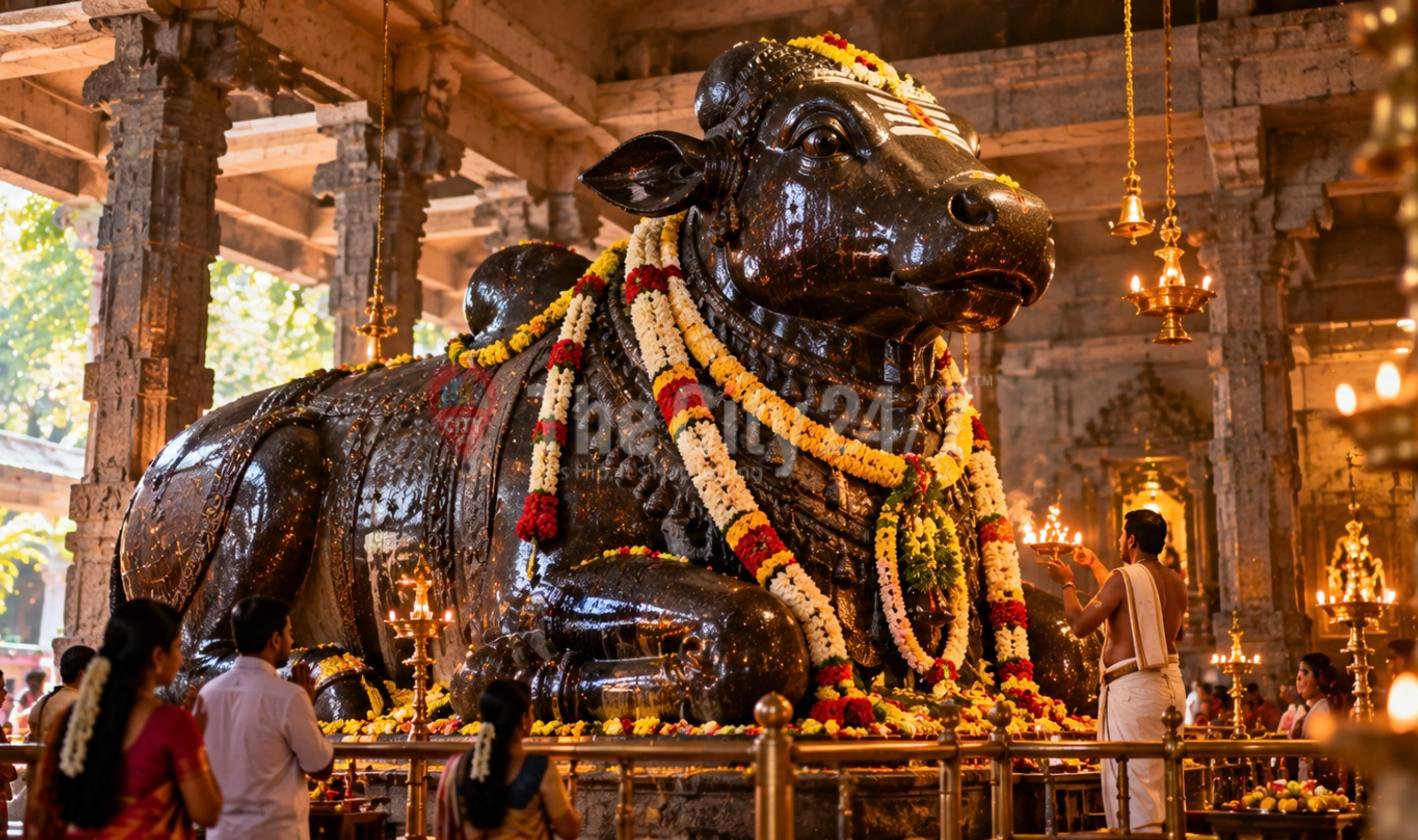 CITY GUIDE
Bull Temple, Basavanagudi: The Giant Nandi That Gave a Neighbourhood Its Name
September 18, 2026
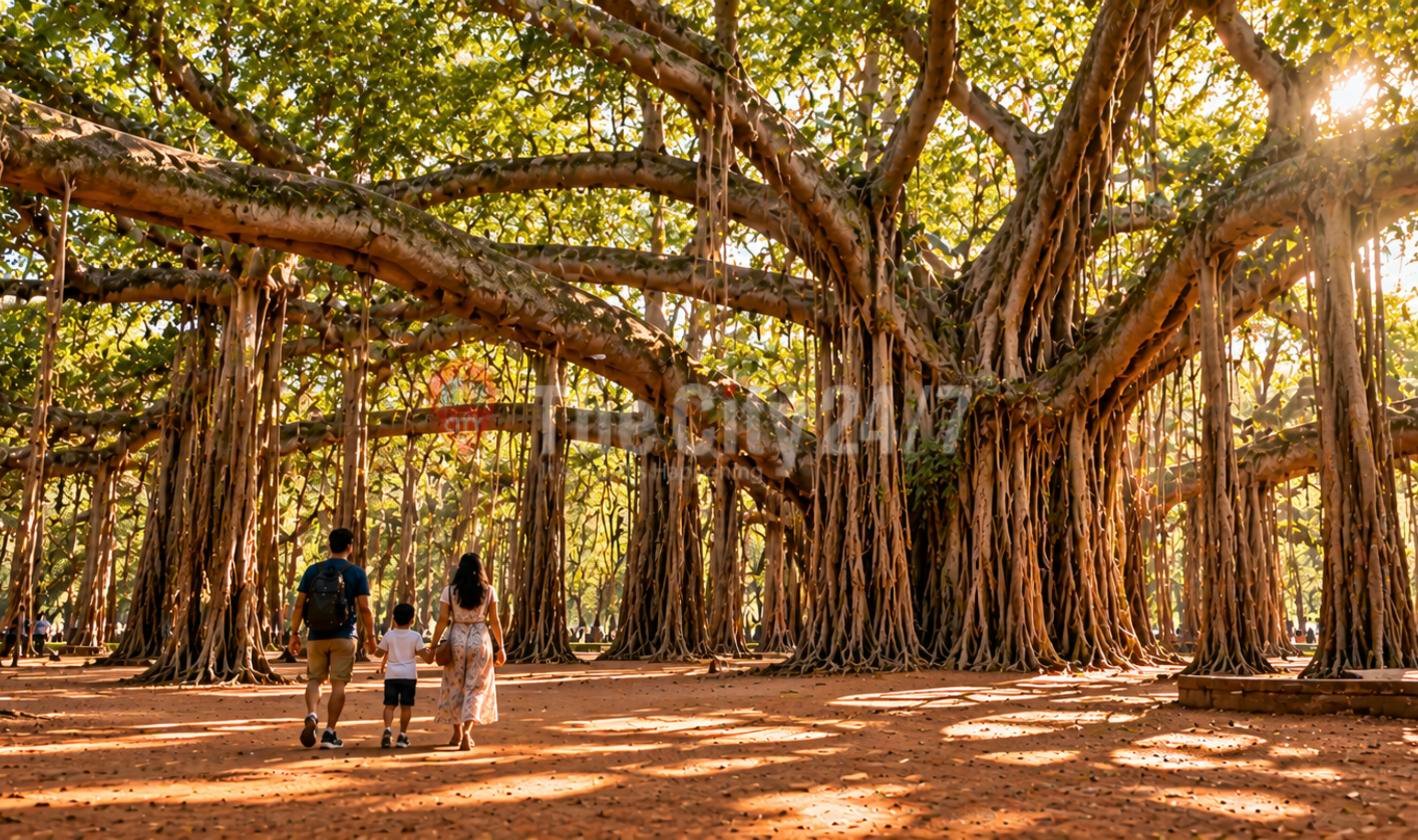 CITY GUIDE
Dodda Alada Mara: The Big Banyan Tree Near Bangalore, and Whether It Is Worth the Drive
September 18, 2026
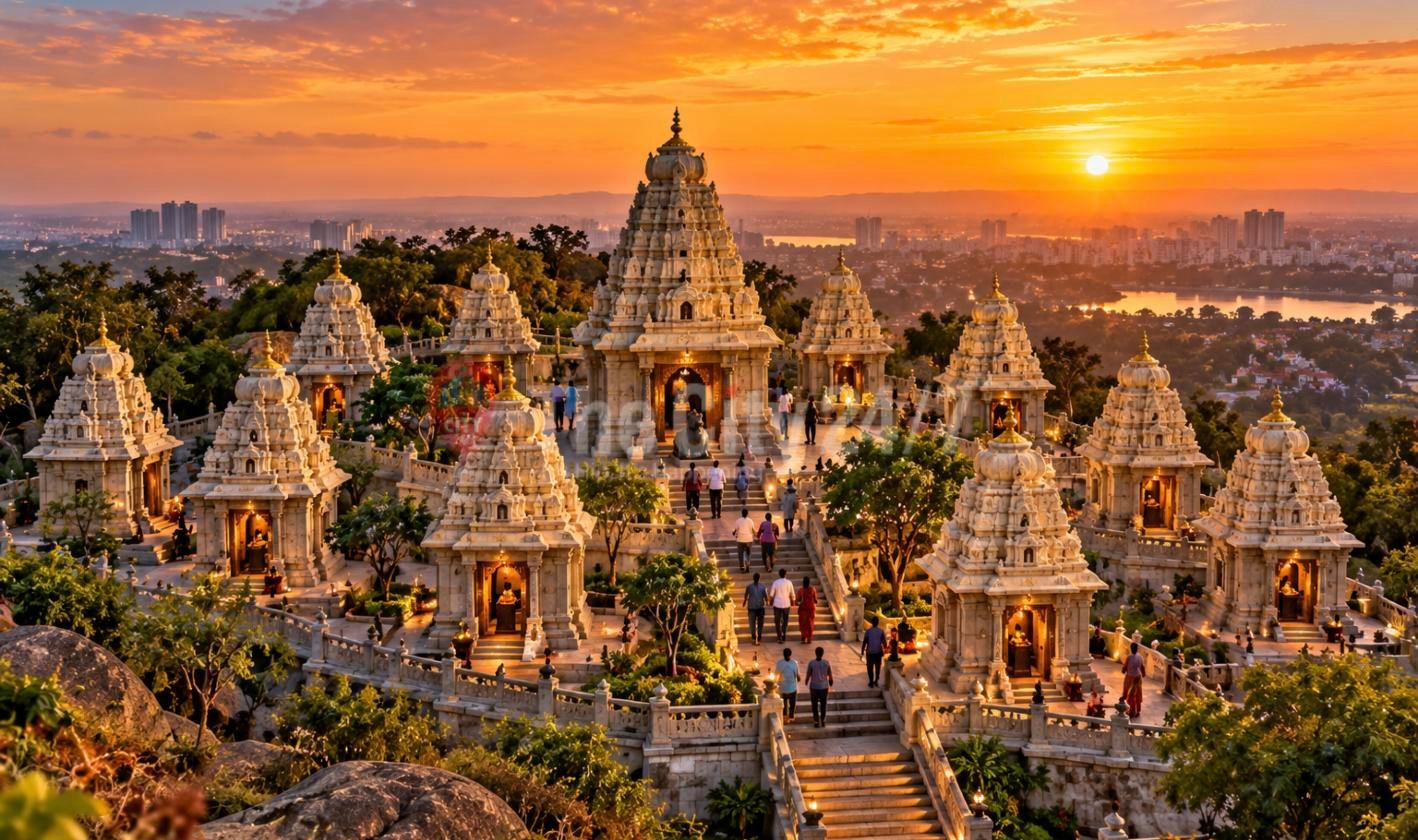 CITY GUIDE
Dwadasha Jyotirlinga, Omkar Hills: All Twelve Jyotirlingas Without Leaving Bengaluru
September 22, 2026
 CITY GUIDE
Ghati Subramanya: The Snake God Temple an Hour North of Bengaluru
September 22, 2026
 CITY GUIDE
Ragigudda Temple, Jayanagar: The Hanuman Hill South Bengaluru Actually Runs On
September 22, 2026
 CITY GUIDE
Shivoham Shiva Temple: Bengaluru's 65 Foot Shiva, and the Cave Walk Under It
September 22, 2026
