


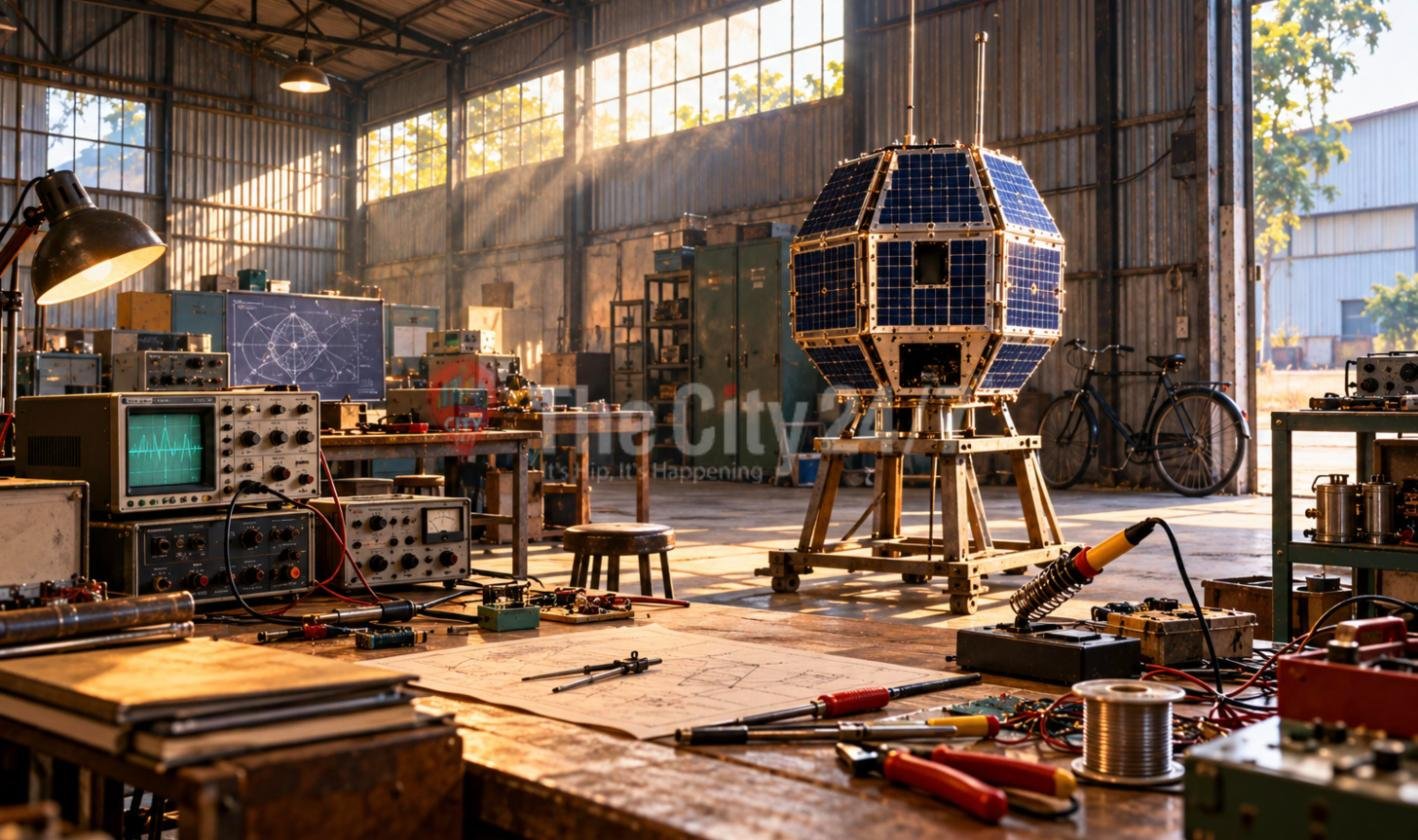
“We built it with whatever we had. That was the only way it was going to get built.”
• The spirit of the Aryabhata team
Professor U R Rao was the space scientist who led the building of Aryabhata, India's first satellite, launched in 1975, at a makeshift facility in Peenya, Bengaluru. Born in 1932 in Adamaru near Udupi, he trained under Vikram Sarabhai, set up India's satellite programme in Bengaluru, served as chairman of ISRO from 1984 to 1994 and received the Padma Vibhushan in 2017. He died in Bengaluru in July 2017, and the ISRO Satellite Centre was renamed the U R Rao Satellite Centre in his honour.
Bengaluru is the headquarters of India's space programme, and most of the satellites that have gone up from Sriharikota were designed and built here. That tradition began with Rao and a small team working in Peenya. This profile keeps to the well-documented record.
Quick Information
India's first satellite, built in a Bengaluru industrial estate by engineers who had never built one before. The city has been building them ever since.
Who Was U R Rao?
He was a physicist from coastal Karnataka who worked on cosmic rays and space science before Vikram Sarabhai asked him to lead India's satellite programme. After research in the United States, including at MIT, he returned to India and built the country's satellite capability in Bengaluru from almost nothing.
How Was Aryabhata Built in Bengaluru?
In temporary sheds in Peenya, north west Bengaluru, by a team of young engineers and scientists led by Rao. They designed and built the satellite in about two and a half years, and it was launched on a Soviet rocket on April 19, 1975. It was named after the ancient Indian astronomer and mathematician.
- The team. Mostly young engineers, many in their twenties.
- The facility. Industrial sheds in Peenya, adapted for spacecraft work.
- The launch. April 19, 1975, from the Soviet Union.
“Peenya was where India learned to build satellites. Nobody passing by would have guessed.”
• On the Aryabhata sheds
What Did U R Rao Do as ISRO Chairman?
He led ISRO from 1984 to 1994, a period that included the development of launch vehicles and the INSAT and IRS satellite series, which transformed communications, weather forecasting and remote sensing in India.
In 2013 Rao became the first Indian inducted into the Satellite Hall of Fame in Washington, and in 2016 he was inducted into the International Astronautical Federation's Hall of Fame.
Where Can You See U R Rao's Legacy in Bengaluru?
At the U R Rao Satellite Centre, which designs and builds India's satellites, and across the city's space industry, from ISRO's headquarters to private space startups. The Visvesvaraya Museum and the Jawaharlal Nehru Planetarium are the easiest public places to learn about the programme.
Why Does U R Rao Belong in People of Bangalore?
He built India's first satellite in Bengaluru, led ISRO from the city, and made Bengaluru the heart of India's space programme. The satellite centre that carries his name is one of the city's most important institutions.
I haven't interviewed U R Rao for this piece. It's pieced together from online research: published interviews, news reports, books and official records, cross-checked against each other. If you know U R Rao and spot something I've got wrong, tap the WhatsApp icon at the bottom right and tell me, and I'll fix it.
FAQs
Who was U R Rao?
Professor U R Rao was an Indian space scientist who led the building of Aryabhata, India's first satellite, and served as ISRO chairman from 1984 to 1994.
Where was Aryabhata built?
Aryabhata was built in temporary sheds in Peenya, Bengaluru.
When was Aryabhata launched?
April 19, 1975, on a Soviet rocket.
What is the U R Rao Satellite Centre?
The ISRO centre in Bengaluru that designs and builds India's satellites, renamed after U R Rao in 2018.
When did U R Rao die?
He died in Bengaluru on July 24, 2017.
What honours did U R Rao receive?
He received the Padma Bhushan in 1976 and the Padma Vibhushan in 2017, and was the first Indian in the Satellite Hall of Fame.
Contact Details
Organisations connected to his work.
Worked at ISRO in Bengaluru?
If you were part of ISRO's early Bengaluru years, or worked with Professor Rao, Click the WhatsApp icon at the bottom right of your screen and tell me. That is also the easiest way to reach The City 24/7 about anything at all, including nominating someone for People of Bangalore.
And if you want one story about the people who make this city, every Sunday, join our ever growing community at thecity247.com/newsletter. Free, and about ten seconds of your life.
Same city, new stories, always.

Related Stories
 SCIENCE
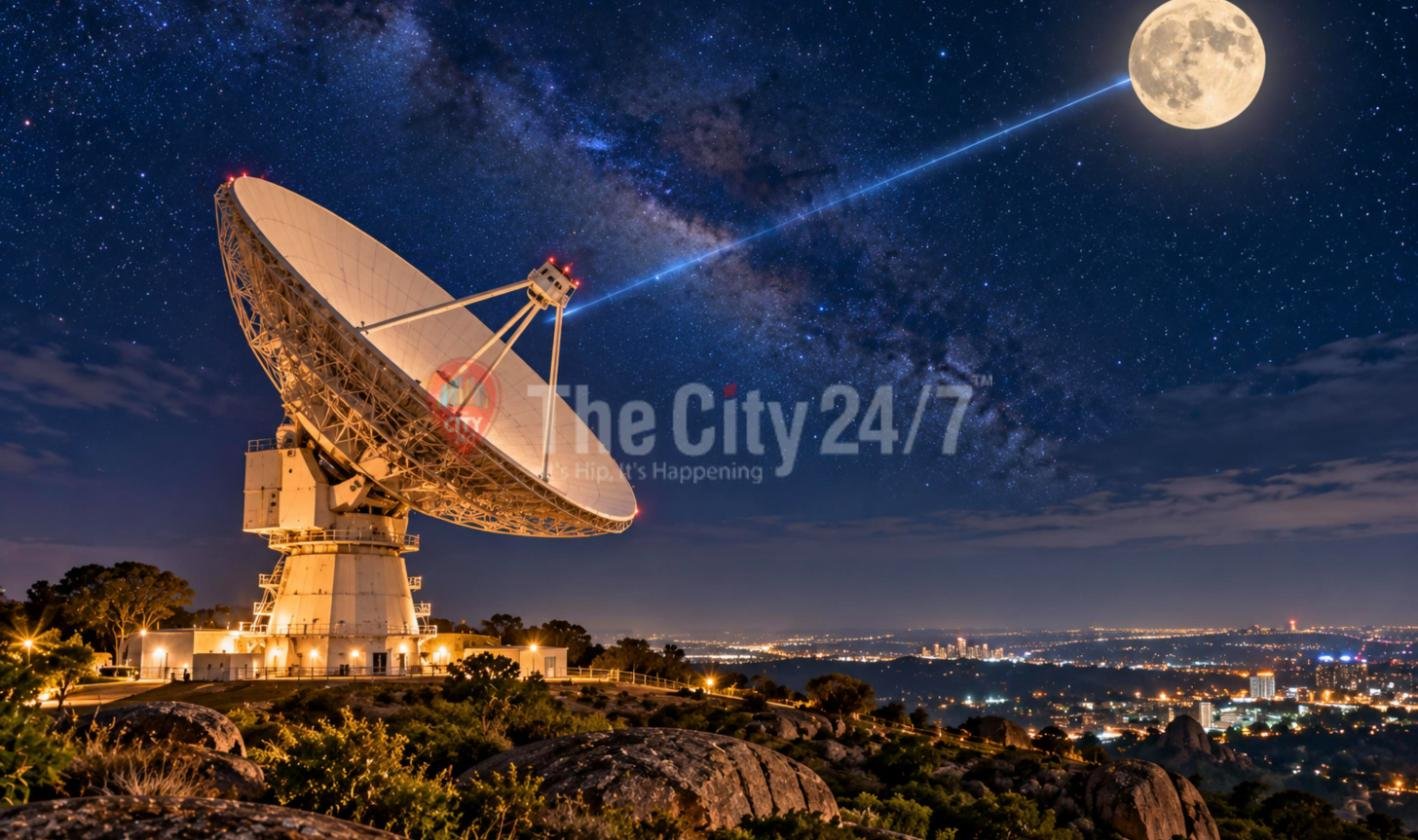
S K Shivakumar: The IISc Engineer Who Gave Bangalore a Line to the Moon
October 27, 2026
 SCIENCE
C N R Rao: The Basavanagudi Boy Who Became India's Great Chemist
October 18, 2026
 SCIENCE
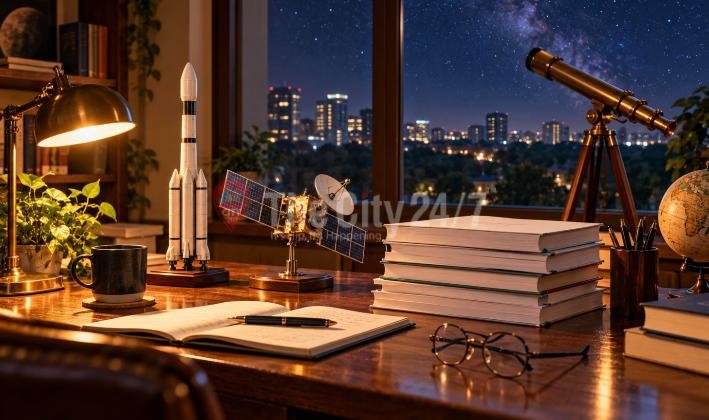
K Kasturirangan: The Space Scientist Who Also Rewrote Indian Education
October 16, 2026
 SCIENCE
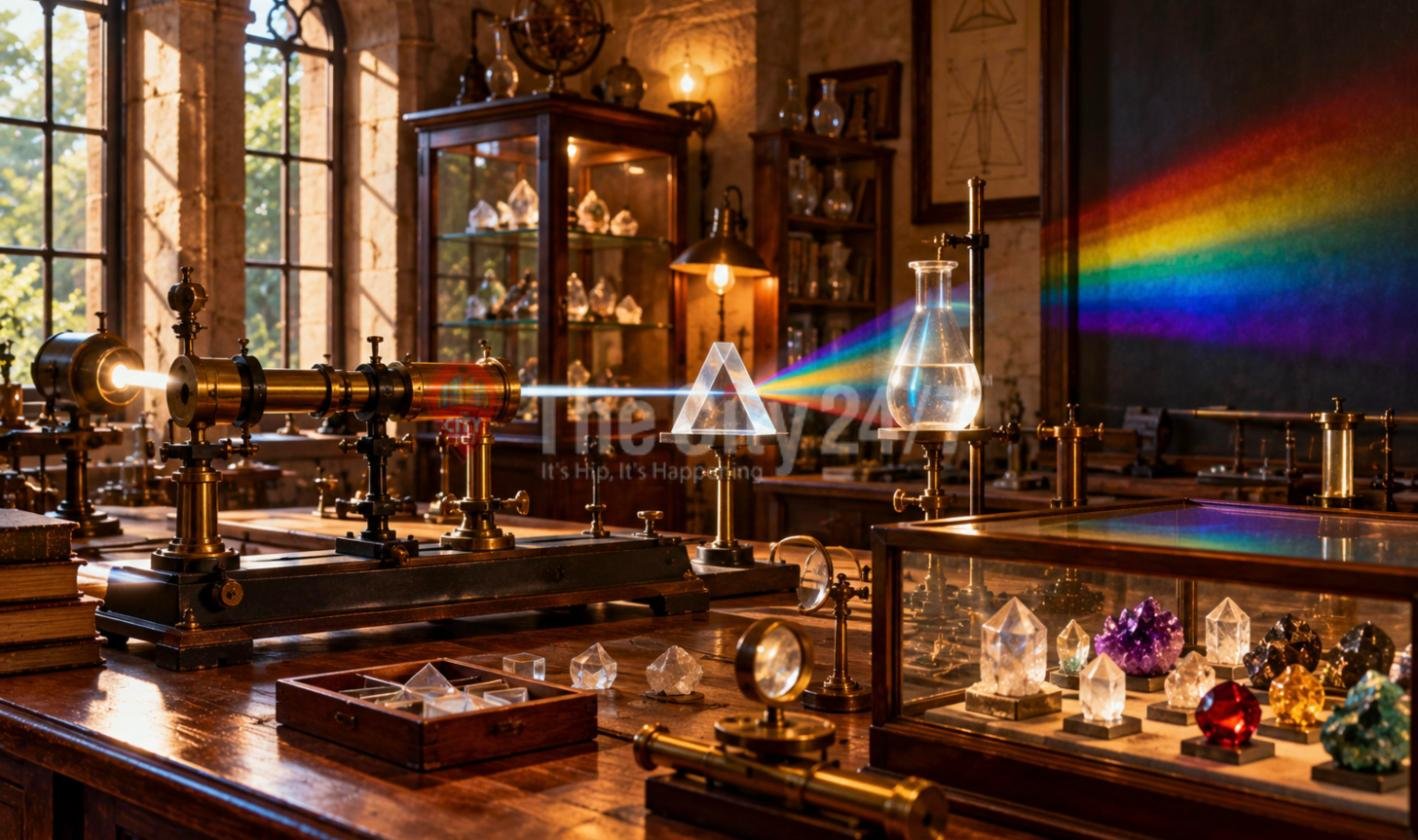
Sir C V Raman: The Nobel Laureate Who Chose Bengaluru and Stayed
October 21, 2026
 SCIENCE
Raja Ramanna: The Physicist Who Played the Piano and Founded NIAS
October 3, 2026
 SCIENCE
Roddam Narasimha: The Fluid Dynamics Pioneer of Bengaluru
October 3, 2026
